Stocks● Neutral
Japan defense stocks: Abukuma-class deal could trigger re-rating
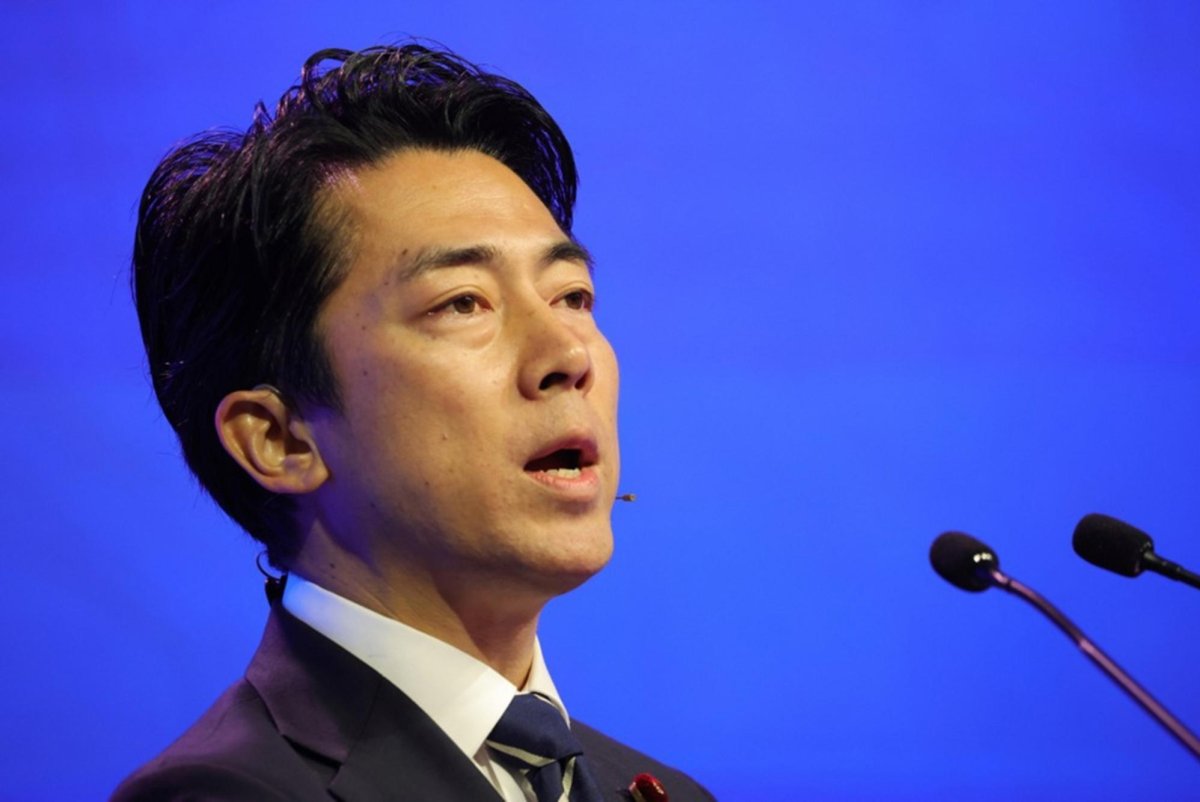
Japanese defense stocks face potential re-rating as Koizumi signals export pivot at Shangri-La. Abukuma-class transfer to Philippines tests new rules.
Continue with
Japanese Defense Minister Shinjiro Koizumi used the Shangri-La Dialogue in Singapore to publicly reject China's accusation that Japan is pursuing "new militarism." The exchange was not just diplomatic theater. It revealed a concrete policy shift that widens the addressable market for Japanese defense contractors and creates a potential catalyst for sector re-rating.
The Shangri-La Speech: More Than Diplomatic Pushback
Koizumi's Defense of Japan's Transparency
Koizumi did not name China directly. He said it was "strange" for a country with large numbers of nuclear weapons and strategic bombers to apply the militarism label to Japan, which has neither. He stressed that Japan remains a peace-oriented country compliant with international law since World War II. The remarks followed Prime Minister Sanae Takaichi's parliamentary comments last November on a possible Taiwan contingency, which Beijing used to revive its "new militarism" narrative.
China's Absence and the Deteriorating Dialogue
China's defense minister did not attend the Shangri-La Dialogue for a second straight year. No bilateral meeting between Koizumi and Chinese officials took place. Koizumi expressed regret directly:
The absence underscores a worsening relationship. For investors tracking the defense sector, the breakdown in dialogue reduces the likelihood of diplomatic constraints on Japan's defense buildup and export ambitions.
Japan's Defense Export Shift: What Changed in April
The Three Principles Revision
Japan's April revision of the Three Principles on Transfer of Defense Equipment and Technology is the legal enabler behind the sector readthrough. Previously, Japan limited arms exports to humanitarian purposes or joint development with the United States. The new rules permit transfers to countries that contribute to Japan's security, with looser end-use restrictions. Koizumi explicitly said Japan is "determined to take on a new role in regional defense equipment cooperation." That language marks a departure from decades of self-imposed restraint.
First Test: Abukuma-Class Transfer to Philippines
Koizumi met Philippine Defense Secretary Gilberto Teodoro Jr. and discussed the possible transfer of retired Abukuma-class destroyer escorts after their service in Japan's Maritime Self-Defense Force ends. The two sides also agreed to continue discussions on the transfer of a TC-90 training aircraft.
- The Abukuma-class transfer would be one of the first major arms export cases under the revised rules.
- It is a test case for the entire policy. If it proceeds smoothly, it validates the framework and opens the door for follow-on deals.
- The TC-90 transfer, while smaller, signals sustained cooperation in training and maintenance.
Sector Readthrough: Who Benefits from the Export Pivot
Shipbuilders and the Second-Hand Market
Japanese shipbuilders are the most direct beneficiaries. The Abukuma-class vessels are being retired as newer destroyers enter service. Selling them to allied navies generates revenue that would otherwise be zero. If the Philippines deal closes, it establishes a precedent for other Southeast Asian navies with aging fleets.