Stocks● Neutral
Jamaica's 45% Repeat Visitor Rate Anchors 2026 Tourism Rebuild
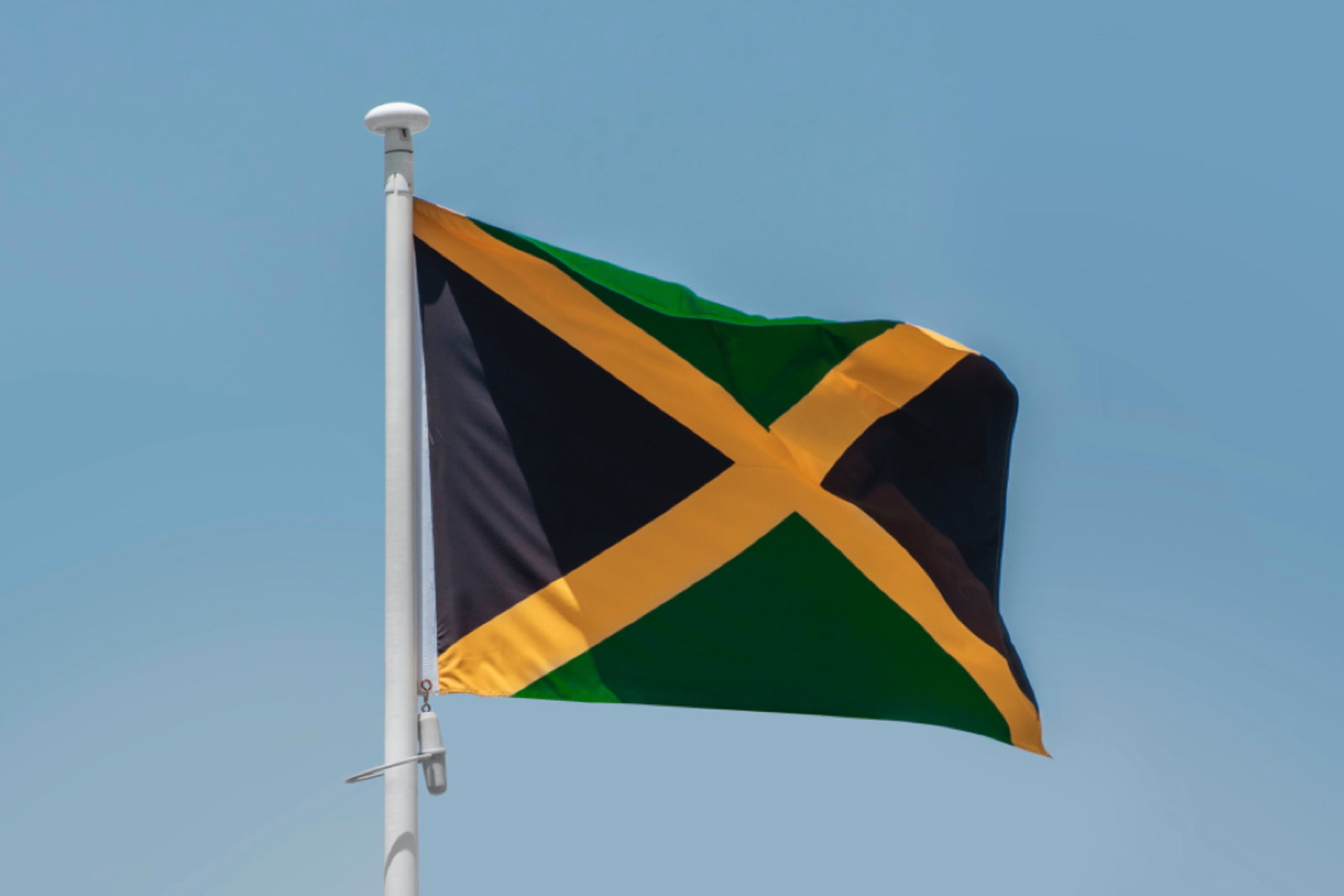
Hurricane Melissa caused $8B-$15B in damage to Jamaica's tourism economy. A 45% repeat visitor rate and inland airport plans shape the 2026 recovery outlook.
Continue with
Jamaica's tourism sector absorbed a direct hit from Hurricane Melissa, with damage estimates between $8 billion and $15 billion – nearly one-quarter of the island's GDP. The storm impacted more than 626,000 people, claimed 45 lives, and destroyed roofs on at least 120,000 buildings. Yet within five days, the country accommodated roughly 25,000 visitors and signaled a rapid reopening. For traders and investors tracking Caribbean exposure, the question is whether Jamaica's tourism infrastructure can sustain the recovery into the 2026 season without further disruption.
Hurricane Melissa's Economic Toll on Tourism
The United Nations recovery assessment placed total damage and economic losses at $8 billion to $15 billion, a range that underscores the vulnerability of tourism-reliant economies to climate events. Tourism contributes more than 30% to Jamaica's GDP directly and indirectly and supports about 175,000 jobs across hospitality, transportation, agriculture, construction, banking, entertainment, and utilities. The storm's destruction was concentrated in southwestern Jamaica, where entire communities lost power for weeks. Approximately 450 schools – nearly two-thirds of the national total – reported significant structural damage.
The human cost and operational disruption
Dennis Zulu, UN Resident Coordinator for Jamaica, described the scale as catastrophic. 90 emergency shelters remained operational after the storm, housing nearly 950 displaced residents unable to return home. The western parishes were left without electricity for weeks, according to the UN report. That level of infrastructure damage directly threatened the tourism supply chain, which depends on reliable power, water, and transportation.
Quick Recovery and Visitor Confidence
Jamaica's tourism response was unusually fast. Within five days of the hurricane, the country accommodated approximately 25,000 visitors, minimizing cancellations and preserving traveler confidence. Minister of Tourism Edmund Bartlett framed the recovery in terms of trust: "Confidence and trust define tourism. Hospitality is in the DNA of Jamaican people."
Kingston's role as a continuity hub
Kingston experienced limited storm damage and continued operating as a critical business and tourism hub. The Jamaica Pegasus Hotel, often called the Protocol Hotel of Kingston, remained operational and hosted dignitaries and high-profile events. Group Director of Marketing & Sales for Courtleigh Hospitality Group, Nicola Madden-Greig, said: "We've hosted royalty, presidents, and dignitaries from around the world. We're known for executing high-stakes, high-profile events with ease." Its sister property, The Courtleigh Hotel & Suites, supported Kingston's growing MICE (Meetings, Incentives, Conferences, and Exhibitions) market.
Practical rule: A destination's ability to maintain operations in its capital city during a crisis is the single strongest signal of institutional resilience. Kingston's minimal damage allowed Jamaica to avoid a total tourism shutdown.
Repeat Visitors as a Structural Advantage
Jamaica's recovery is strengthened by one of its most valuable tourism assets: visitor loyalty. According to Bartlett, approximately 45% of Jamaica's visitors are repeat travelers, reinforcing the island's strong emotional brand equity. "The repeat visitor is critical to the tourism sector and industry," Bartlett said. Many travelers return with family, driving intergenerational travel patterns that sustain long-term demand.
The emotional brand premium
Bartlett summarized Jamaica's tourism essence in three words: food, music, and love. That intangible equity is difficult for competitors to replicate. Repeat visitors are less price-sensitive and more likely to return after a disruption, which gives Jamaica a buffer that pure beach destinations lack.