Stocks● Neutral
Jaishankar-Sybiha Talks Reshape War Risk for Energy, Defense
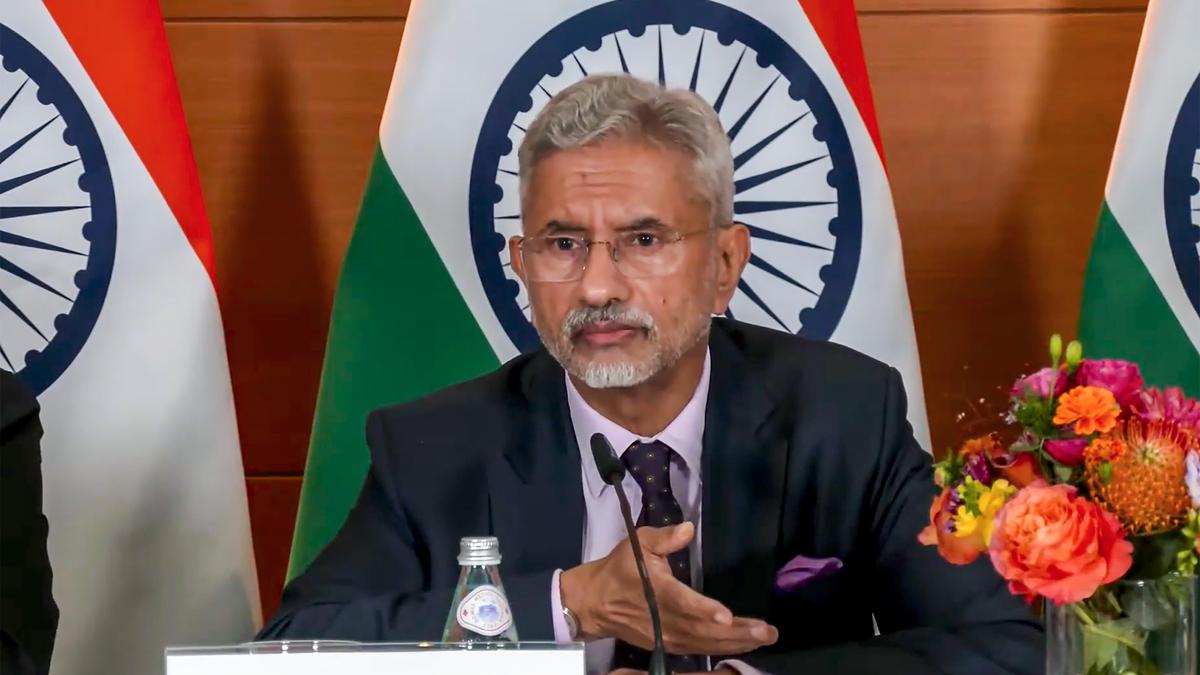
Jaishankar and Sybiha met in Cyprus to discuss Ukraine peace. For traders, Indian diplomatic involvement may shift risk premiums on European energy and defense assets if follow-through arrives.
Continue with
External Affairs Minister S Jaishankar and Ukrainian Foreign Minister Andrii Sybiha met on Wednesday in Cyprus on the sidelines of the EU Gymnich Forum. The two discussed battlefield developments and efforts toward a comprehensive lasting peace. For markets, the meeting signals a potential shift in India’s diplomatic role that could affect risk premiums across energy, defense, and emerging-market assets – but only if follow-through materializes.
The Meeting That Changed the Risk Narrative
Simple Read vs. Better Market Read
The simple read: high-level diplomatic engagement is positive for de-escalation. Sybiha said Ukraine wants to "end this war and achieve a comprehensive and lasting peace" and welcomed India’s strong voice. That suggests a possible new channel for peace talks.
The better market read: India has maintained close relations with both Russia and Ukraine, and Prime Minister Narendra Modi has repeatedly said "this is not an era of war." But markets have priced little probability of a breakthrough because no concrete peace framework exists. The meeting itself does not change the battlefield calculus. What matters is whether India can translate its dual access into measurable progress – a ceasefire, a humanitarian corridor, or a formal negotiation timetable. Until then, the diplomatic noise does not alter the risk premium on European gas or defense stocks.
Assets Most Exposed to a Ukraine Peace Shift
European Energy
Any credible peace track would reduce the risk premium baked into European natural gas prices. The spot TTF contract still trades above pre-invasion levels partly because of supply uncertainty. If India’s involvement helps unlock a diplomatic circuit that leads to a truce, gas prices could fall sharply. Conversely, if the talks produce only rhetoric, the energy risk premium stays elevated.
Defense Stocks
European defense contractors such as Rheinmetall, BAE Systems, and Thales have rallied on sustained government spending tied to the war. A peace deal would remove the immediate demand catalyst. Investors holding defense positions should watch whether India’s diplomacy gains enough traction to trigger a repricing. The margin of safety is thin because the current valuation already assumes multiyear elevated budgets.
Indian Equities and the Rupee
India faces a balancing act. Deeper engagement with Ukraine risks straining ties with Russia, a key defense and energy partner. If the talks succeed, India gains diplomatic credibility and reduces geopolitical risk for foreign portfolio flows into NIFTY. If they fail, India’s hedging strategy is exposed, and the rupee could face pressure as energy import costs remain volatile.