Stocks● Neutral
Jain Global's Millennium Deal Concentrates Risk in Single Client
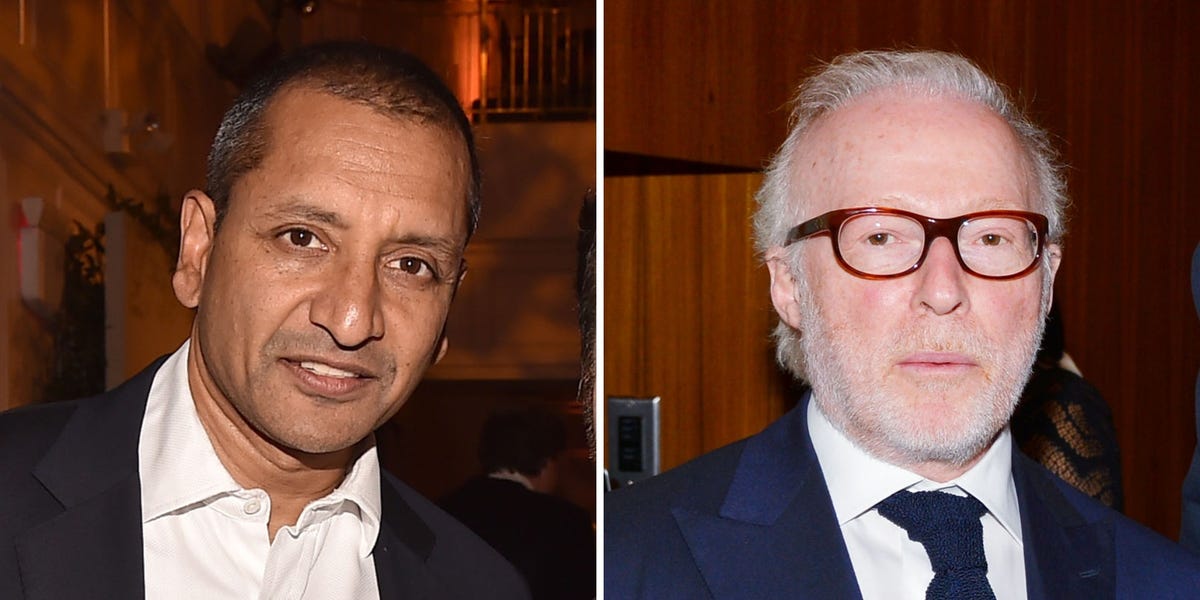
Jain Global returns all external capital by Q3, managing solely for Millennium. Exclusivity removes fundraising churn but ties the firm to one counterparty's risk appetite, raising questions about talent retention and independence.
Continue with
Jain Global is returning all external capital by the third quarter and will manage assets exclusively for Millennium Management going forward. The deal, struck less than two years after Jain Global's high-profile launch, formalizes a relationship between Izzy Englander's multi-manager giant and one of the largest new hedge fund platforms.
Exclusivity Inverts the Multi-Manager Logic
The immediate read is simple. Millennium is endorsing Jain Global's infrastructure and performance by committing to be its sole external capital source. The arrangement removes the burden of fundraising and ongoing investor relations, letting Jain Global focus on portfolio management.
The better market read cuts the other way. Exclusivity introduces a type of concentration risk rarely seen in the institutional hedge fund world. Jain Global now depends on a single counterparty for its entire capital base. Any shift in Millennium's risk appetite, strategy preferences, or internal allocation decisions directly affects Jain Global's fee stream and operational stability. The structure also limits Jain Global's ability to benchmark itself against a broad LP base, which typically provides a more objective measure of performance.
Multi-manager firms originally gained traction by spreading capital across independent pods, reducing the blow of any single pod failure. Jain Global's exclusivity inverts that logic. Instead of diversifying its own funding source, its fate rests on Millennium's long-term commitment.
Talent Retention Under One-Client Model
The second-order effect is on talent. Jain Global's ability to hire and retain high-performing portfolio managers now hinges on Millennium's willingness to share both alpha and risk allocation. In a traditional multi-manager setup, pods can point to multiple capital sources as proof of external validation. With only Millennium, the internal negotiation between Jain Global and Millennium's risk committee becomes the sole determinant of pod sizes and compensation.