Back to Markets
Stocks● Neutral

ITS Malaysia and ITS Singapore Join Asia-Pacific Road User Charging Alliance

ITS Malaysia and ITS Singapore Join Asia-Pacific Road User Charging Alliance
AONHUBSAS

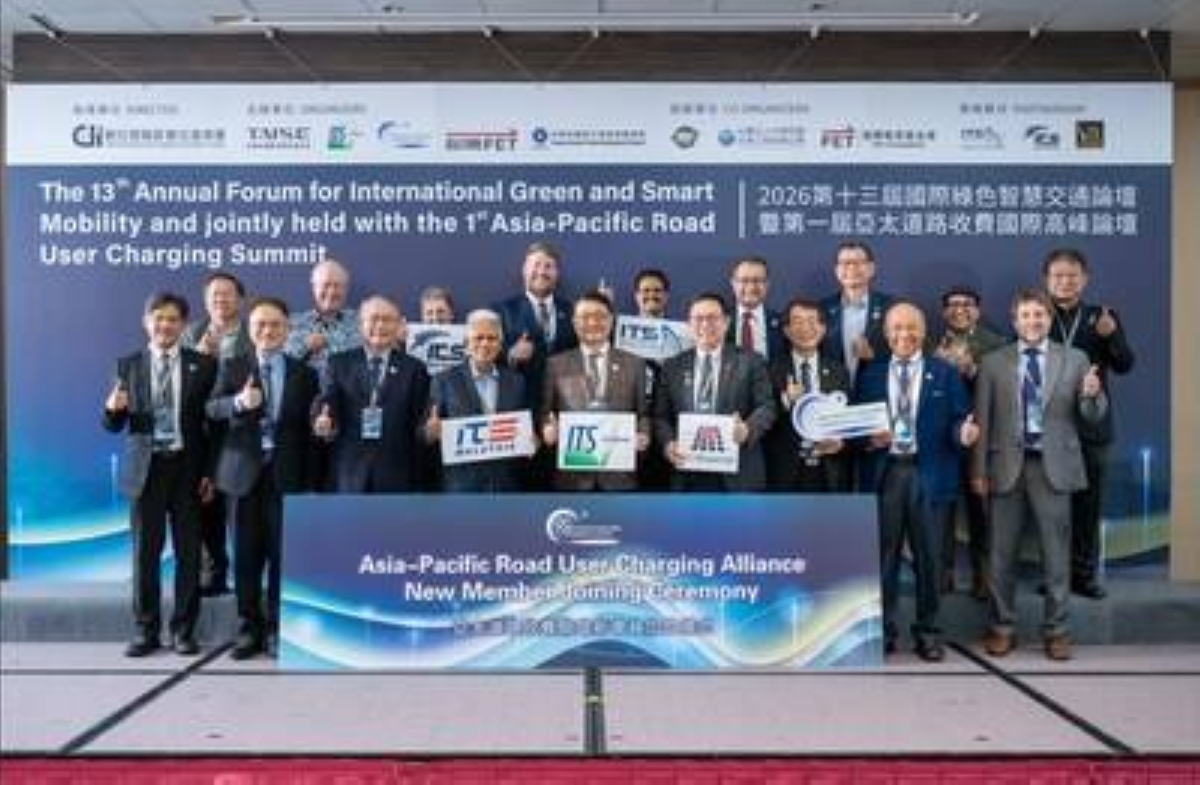
ITS Malaysia and ITS Singapore have joined the Asia-Pacific Road User Charging Alliance, signaling a push toward standardized regional digital tolling and distance-based road pricing.

AlphaScala Research Snapshot
Live stock context for companies directly referenced in this story
Alpha Score
55
Moderate

Alpha Score of 55 reflects moderate overall profile with moderate momentum, moderate value, moderate quality. Based on 3 of 4 signals — score is capped at 90 until remaining data ingests.

Alpha Score
45
Weak

Alpha Score of 45 reflects weak overall profile with strong momentum, poor value, poor quality, weak sentiment.

Technology
Alpha Score
31
Poor

Alpha Score of 31 reflects weak overall profile with poor momentum, poor value, moderate quality, moderate sentiment.

Consumer Cyclical
Alpha Score
47
Weak

Alpha Score of 47 reflects weak overall profile with moderate momentum, poor value, moderate quality. Based on 3 of 4 signals — score is capped at 90 until remaining data ingests.

This panel uses AlphaScala-native stock data, separate from the source wire linked above.

Regional Infrastructure Integration

ITS Malaysia and ITS Singapore have officially joined the Asia-Pacific Road User Charging Alliance. This expansion brings two of Southeast Asia’s most active transport technology hubs into a unified framework focused on standardizing electronic road pricing and digital tolling infrastructure.

The alliance aims to synchronize the technical architecture for road user charging (RUC) across borders. By aligning these systems, the member states intend to reduce fragmentation in regional logistics and simplify cross-border commercial transit. The inclusion of Singapore and Malaysia is a tactical move, given the high volume of heavy-vehicle traffic moving between the two nations via the Causeway and the Second Link.

The Strategic Shift in Infrastructure Finance

For investors and firms tracking regional infrastructure, this move signals a transition toward more sophisticated, demand-based revenue models. Many regional governments are shifting away from traditional fuel taxes toward distance-based charging, prompted by the rising adoption of electric vehicles which bypass fuel-based revenue streams.

"The integration of these diverse markets into a single technical dialogue provides the necessary scale to attract private capital into public-private partnership models for transport technology," noted an industry observer familiar with the alliance’s expansion strategy.

This standardization effort creates a more predictable environment for technology vendors and system integrators. Companies operating in the intelligent transport systems space, such as those providing hardware for automated tolling and satellite-based tracking, benefit when regional standards converge.

Market Context and Implications

Traders should monitor how this alliance influences regional procurement cycles for public infrastructure projects. When neighboring countries harmonize their technical specifications, it lowers the barrier to entry for international firms that previously had to customize systems for disparate national standards.

  • Revenue Stability: Standardized RUC systems provide a more consistent revenue stream for infrastructure funds compared to legacy tolling models.
  • Vendor Consolidation: Expect larger, multi-national technology firms to gain an advantage in bidding processes as regional interoperability becomes a prerequisite for new contracts.
  • Logistics Efficiency: Reduced friction at border crossings typically lowers operational costs for regional supply chains, supporting broader growth in momentum investing plays within the logistics sector.

What to Watch

Keep an eye on upcoming tenders for tolling hardware and software in the ASEAN region. The next phase of the alliance will likely involve pilot programs for cross-border interoperability between Singaporean and Malaysian tolling systems. If these pilots succeed, expect other regional players to adopt similar protocols to remain integrated with the major trade corridors.

Investors looking for exposure to this space should track the performance of infrastructure-focused funds and specific engineering firms likely to secure these long-term government contracts. The shift toward digital road pricing is no longer a localized experiment; it is becoming a regional standard for maintainable transport revenue.

How this story was producedLast reviewed Apr 17, 2026

AI-drafted from named sources and checked against AlphaScala publishing rules before release. Direct quotes must match source text, low-information tables are removed, and thinner or higher-risk stories can be held for manual review.

Editorial Policy·Report a correction·Risk Disclaimer