US strikes on Iran after Strait of Hormuz attacks hit oil infrastructure. Trump said ceasefire 'over' but allowed talks. Oil surged. Watch for Iranian retaliation or return to negotiations.
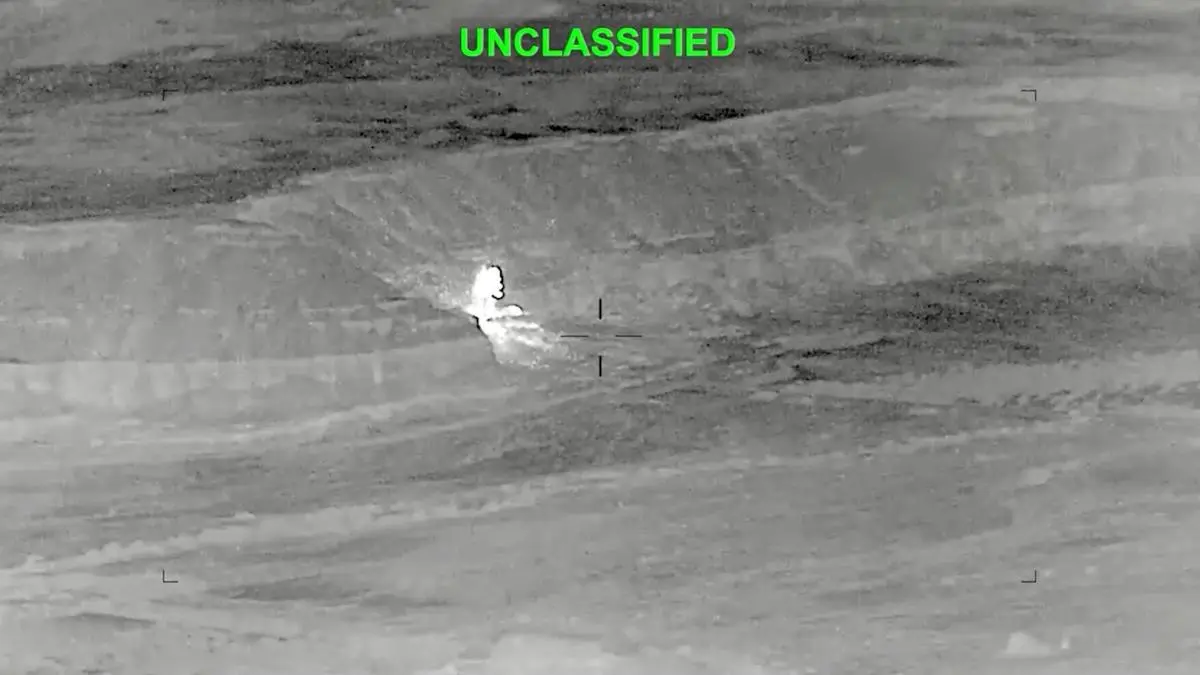
The US military launched another round of strikes on Iran Wednesday, hitting air-defense systems, radars, and more than 60 small boats used by the Revolutionary Guard. The strikes came a day after Iranian attacks on commercial ships in the Strait of Hormuz hit three tankers.
President Donald Trump said the interim ceasefire was “over,” though he allowed that negotiations could continue. Oil prices shot up after his comments. A renewed conflict would likely halt energy shipments through the strait, through which a fifth of the world's traded oil and natural gas passed before the war.
Iranian Parliament Speaker Mohammad Bagher Qalibaf, a key negotiator, posted on X: “The era of bullying and extortion is over. It leads nowhere. We don't fold.” Iranian Deputy Foreign Minister Kazem Gharibabadi said Trump's remarks were “not a sign of power but an admission of the failure” of US policy.
Trump has threatened to seize Kharg Island, through which 90% of Iranian oil exports pass. He also raised the possibility of hitting civilian infrastructure, including electric plants and desalination plants. The new attacks on shipping, despite ongoing negotiations, could reflect a divide among Iran's leadership. Hard-liners seek lasting control over the waterway. Pragmatists want a permanent peace deal to lift sanctions.
Negotiations for a final deal had been due to start after the funeral for Supreme Leader Ayatollah Ali Khamenei, who was killed Feb. 28. The funeral ends Thursday. The talks are meant to address fully reopening the strait and rolling back Tehran's nuclear programme.
For traders, the immediate risk is a full disruption of Strait of Hormuz traffic. That would spike crude prices and hit tanker stocks, while benefiting defense contractors. The trigger to watch is any Iranian retaliation against US military sites in the Persian Gulf or further attacks on commercial vessels. A return to negotiations would reduce the risk. Trump's mixed signals – threatening escalation while allowing talks – keep the outcome uncertain.
The US Central Command said the strikes were meant to “impose heavy costs for targeting and attacking commercial shipping crewed by innocent civilians in an international waterway.” Iranian state media reported explosions in Bandar Mahshahr, Bandar Abbas, and Bushehr, the latter home to Iran's nuclear power plant. Eight members of Iran's army air and naval forces were killed, state television said.
Bahrain, home to the US Navy's 5th Fleet, and Kuwait, home to US Army forces, sounded missile alerts Wednesday morning.
The situation remains fluid. The next concrete marker is whether Iran retaliates militarily or returns to the negotiating table after Khamenei's funeral.
Prepared with AlphaScala research tooling and grounded in primary market data: live prices, fundamentals, SEC filings, hedge-fund holdings, and insider activity. Each story is checked against AlphaScala publishing rules before release. Educational coverage, not personalized advice.