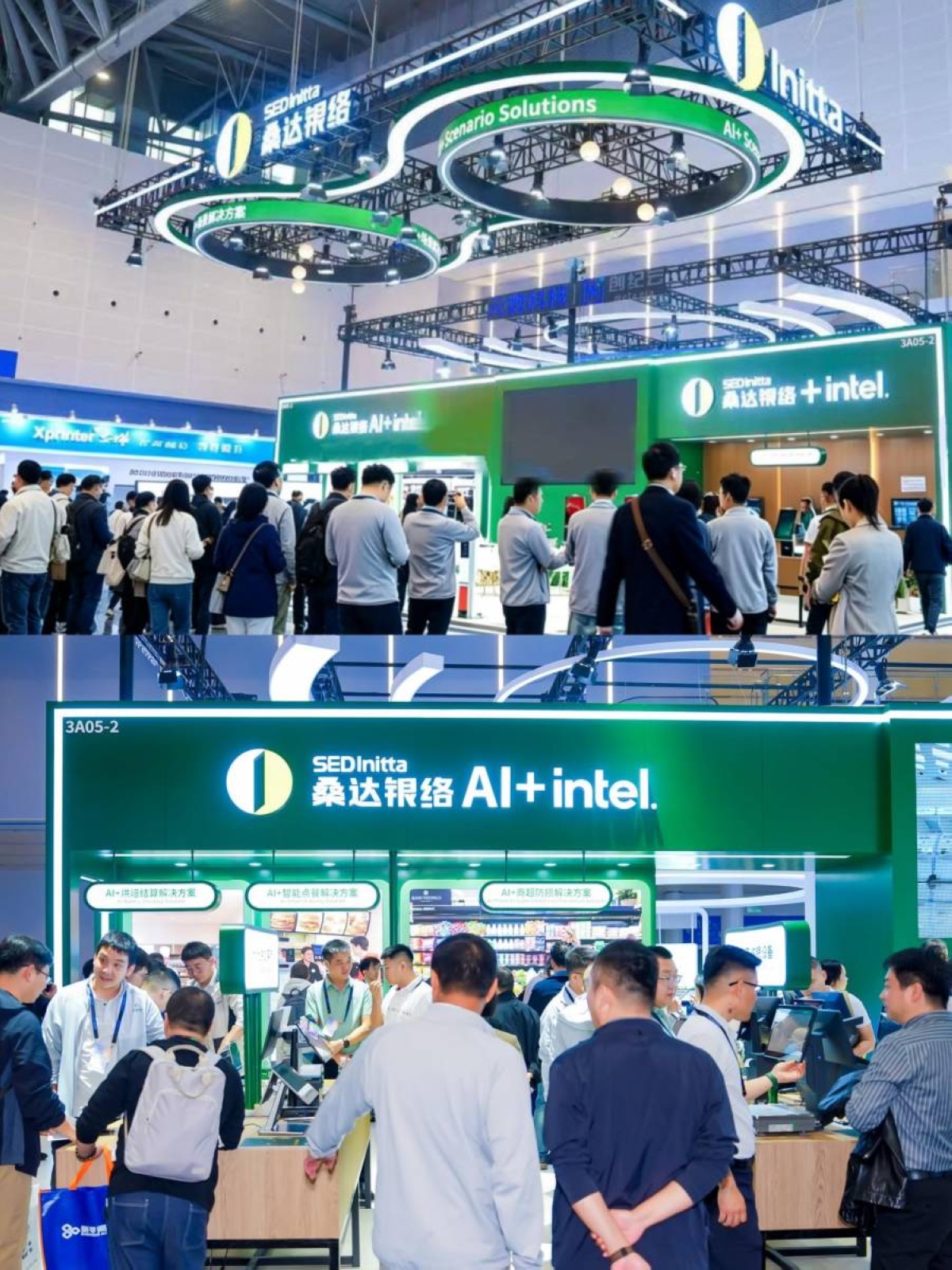
Initta Technology’s Infinity Pavilion Shifts Retail Focus Toward AI-Integrated Infrastructure

Initta Technology’s debut of the Infinity Pavilion at CHINASHOP 2026 signals a strategic shift toward open, AI-driven retail infrastructure, prioritizing interoperability over proprietary silos.
Alpha Score of 46 reflects weak overall profile with strong momentum, poor value, poor quality, moderate sentiment.
Alpha Score of 47 reflects weak overall profile with moderate momentum, poor value, moderate quality. Based on 3 of 4 signals — score is capped at 90 until remaining data ingests.
Alpha Score of 46 reflects weak overall profile with strong momentum, poor value, poor quality, moderate sentiment.
Initta Technology’s debut of the Infinity Pavilion at the 26th China Retail Expo marks a definitive pivot in how retail hardware and software integration is being presented to the broader market. By centering its exhibition on an open and sustainable AI-driven framework, the company is moving away from proprietary, siloed retail solutions toward a model that emphasizes interoperability. This shift is significant because it suggests that the next phase of retail technology will prioritize the scalability of AI across existing legacy systems rather than requiring complete infrastructure overhauls.
The Shift Toward Open Retail Architecture
The core narrative emerging from the Infinity Pavilion is the transition toward modular, AI-ready retail environments. Initta Technology is positioning its latest suite of tools to function as a connective layer between front-end consumer experiences and back-end supply chain management. This approach addresses a long-standing friction point in the sector where disparate systems often struggle to communicate, leading to inefficiencies in inventory management and personalized customer engagement. By promoting an open-source or highly compatible architecture, the company is attempting to lower the barrier to entry for retailers looking to deploy advanced machine learning models without replacing their entire technological stack.
This development mirrors broader trends in stock market analysis where companies are increasingly valued on their ability to integrate AI into existing operational workflows. As retail giants look to improve margins through automation, the demand for hardware that can support high-compute tasks at the edge is rising. Initta’s focus on sustainability within this framework also aligns with the growing regulatory and consumer pressure for energy-efficient computing, which is becoming a standard requirement for large-scale retail deployments.
Valuation and Operational Scalability
The long-term impact of the Infinity Pavilion will be measured by how quickly retailers adopt these open-standard tools. If the industry moves toward this unified model, companies like Initta could see a significant increase in their addressable market as they become the primary middleware for retail digitization. Investors should monitor whether this open-architecture strategy leads to higher adoption rates among mid-sized retailers who have previously been priced out of high-end AI solutions.
AlphaScala currently tracks various players in the technology and consumer sectors, including ON stock page with an Alpha Score of 46/100 and AS stock page with an Alpha Score of 47/100. Both are labeled as Mixed, reflecting the current volatility in hardware-heavy sectors. The success of Initta’s strategy will likely depend on its ability to maintain a balance between open-system flexibility and the proprietary security features that enterprise clients demand.
The Next Marker for Retail Tech Integration
The next concrete indicator of this shift will be the release of case studies or pilot program results following the CHINASHOP 2026 event. Specifically, the market will look for evidence of reduced implementation timelines for retailers adopting the Infinity framework. If the company can demonstrate that its open-architecture approach leads to measurable gains in operational efficiency or lower capital expenditure compared to traditional closed-loop systems, it will likely set a new benchmark for the retail technology sector. The upcoming quarterly earnings reports from major retail hardware providers will serve as the primary venue for confirming whether this pivot is gaining traction across the wider industry.
AI-drafted from named sources and checked against AlphaScala publishing rules before release. Direct quotes must match source text, low-information tables are removed, and thinner or higher-risk stories can be held for manual review.