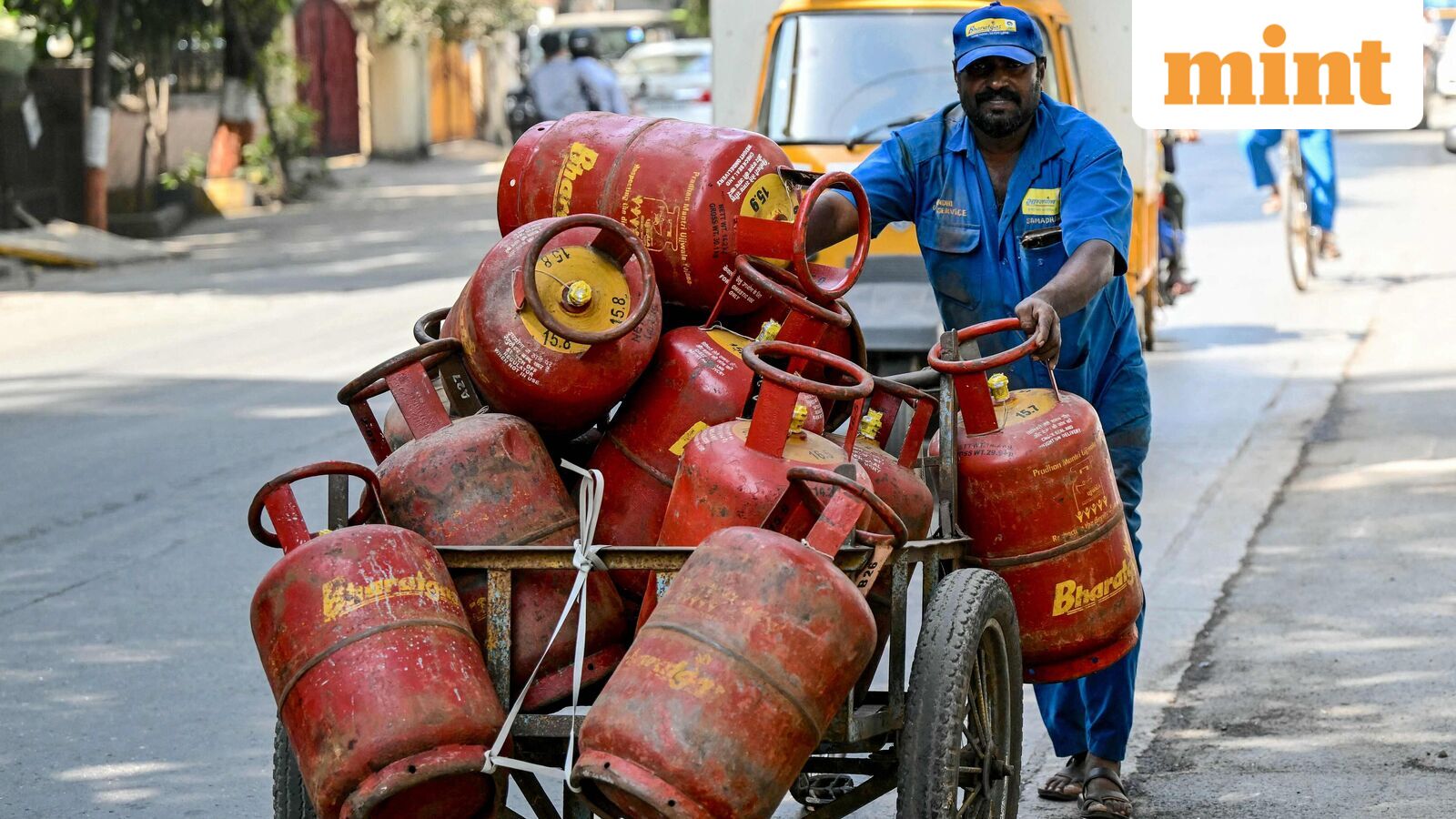
The ongoing conflict in West Asia has introduced a new layer of volatility to India's energy sector, specifically impacting the pricing structure of Liquefied Petroleum Gas. Since the onset of regional hostilities on February 28, the domestic LPG market has seen a single price revision, while commercial cooking gas has undergone two distinct upward adjustments. This divergence reflects the differing sensitivities of consumer-facing and industrial energy supply chains to global crude and refined product fluctuations.
Commercial Pricing Sensitivity and Supply Chain Pressures
The frequency of commercial LPG price hikes relative to domestic rates highlights the immediate pass-through nature of industrial energy costs. Commercial entities operate on tighter margins and are more susceptible to the spot-market pricing of energy inputs. As geopolitical tensions persist, the disruption to regional energy supply routes has forced distributors to recalibrate commercial rates more aggressively than those for household consumers. This trend suggests that industrial users are currently absorbing the bulk of the inflationary pressure resulting from the regional conflict.
Consumer Behavior and Inventory Management
Reports of panic buying across several Indian states indicate a growing anxiety among the general public regarding the stability of energy costs. This behavioral shift often occurs when consumers anticipate further price hikes due to prolonged supply chain disruptions. The current market environment is characterized by:
- Increased frequency of commercial price adjustments compared to domestic rates.
- Heightened public sensitivity to energy security and supply availability.
- Persistent regional volatility influencing local distribution costs.
While domestic LPG remains subject to more controlled pricing mechanisms, the psychological impact of the conflict has already altered purchasing patterns. The reliance on imported energy means that any sustained disruption in the Middle East directly influences the cost structure for Indian distributors. For investors tracking broader sector trends, this situation underscores the vulnerability of consumer-facing industries to energy-driven cost-push inflation.
AlphaScala Data and Market Context
AlphaScala monitors various sectors for volatility, including technology and consumer staples. For context, COST stock page currently holds an Alpha Score of 57/100, reflecting a moderate outlook within the consumer staples sector. While the current LPG situation is specific to the Indian energy market, it serves as a reminder of how global geopolitical events can ripple through local consumer and industrial economies.
Looking ahead, the next concrete marker for this narrative will be the monthly review of administered prices. Any further escalation in regional energy transit costs will likely force a decision on whether to continue absorbing price increases at the domestic level or to pass those costs on to the consumer. Market participants should monitor upcoming government energy policy statements and official price notifications for signs of a shift in subsidy management or retail pricing strategy.