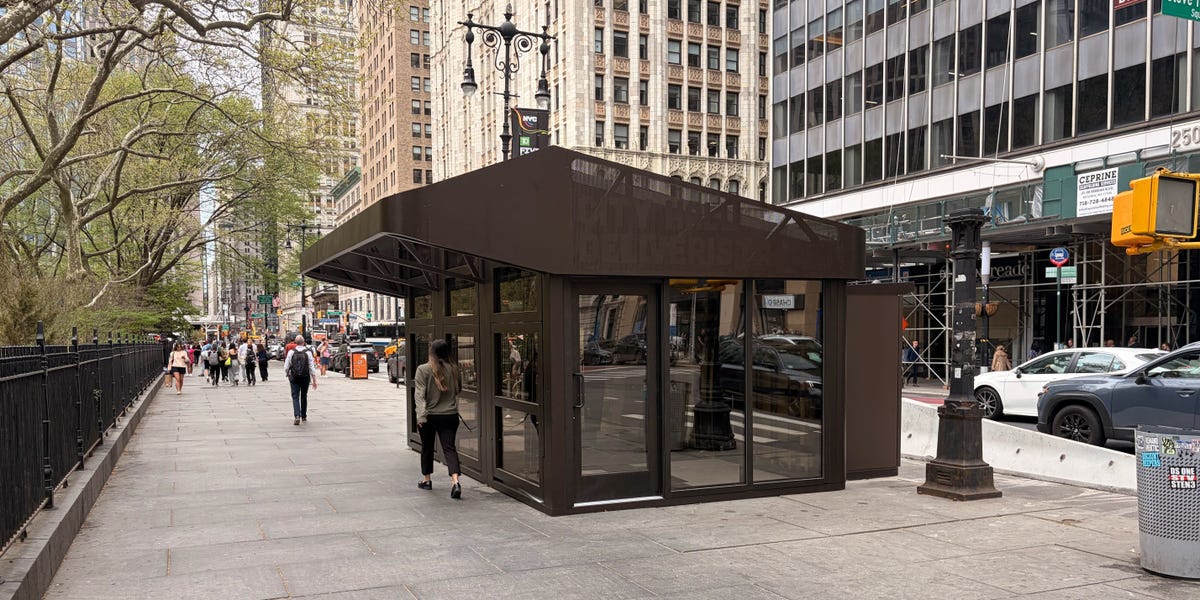
The highly anticipated opening of New York City’s first dedicated rest area for delivery workers, the Deliverista Hub, remains stalled ten days after its ceremonial ribbon-cutting. While the structure was presented as a functional solution for the city's gig economy workforce, the facility has yet to open its doors to the public. The delay stems from unresolved utility infrastructure requirements that prevent the site from becoming operational.
Utility Integration and Operational Hurdles
Con Edison has confirmed that its crews identified a technical issue requiring additional work before the facility can be energized. This power-related bottleneck serves as a reminder of the complexities inherent in retrofitting urban infrastructure for specialized public use. The hub, designed to provide a physical space for delivery workers to rest, charge devices, and access facilities, is currently unable to provide these services due to the lack of a stable power connection.
This situation highlights the friction between high-profile municipal project launches and the practical realities of utility grid integration. While the architectural completion of the hub was marked by public fanfare, the underlying utility requirements were not finalized in time for the facility to function as intended. The reliance on external utility providers for site activation creates a dependency that can often derail project timelines, even after the physical construction phase is complete.
Sectoral Read-through for Urban Infrastructure
The Deliverista Hub represents a pilot effort to formalize support for the gig economy within the dense urban landscape of New York City. The project’s inability to launch on schedule underscores the broader challenges facing city planners as they attempt to integrate modern labor solutions into aging municipal grids. For investors tracking stock market analysis, this incident serves as a case study in the execution risks associated with public-private infrastructure initiatives.
Beyond the immediate operational delay, the hub’s status reflects a recurring theme in urban development where the pace of policy and social initiatives outstrips the capacity of existing utility infrastructure. The project’s success depends on several factors:
- Completion of the necessary electrical upgrades by utility crews.
- Final safety inspections following the power connection.
- Coordination between municipal agencies and private utility providers to ensure long-term grid stability.
These hurdles are not unique to this specific project but are common across urban revitalization efforts. The integration of technology-driven labor support systems requires a level of grid reliability that often necessitates significant site-specific upgrades. As cities continue to experiment with Strategic Watchlist Expansion Reflects Evolving Sector Priorities, the ability to manage these utility-side dependencies will become a critical metric for project viability.
AlphaScala data indicates that municipal infrastructure projects with high utility-dependency profiles often face extended timelines when initial site assessments fail to account for legacy grid limitations. The focus now shifts to the timeline provided by utility crews for the final connection. The next concrete marker for the project will be the issuance of a certificate of occupancy following the successful energization of the site, which will signal the transition from a stalled construction project to an active public facility.