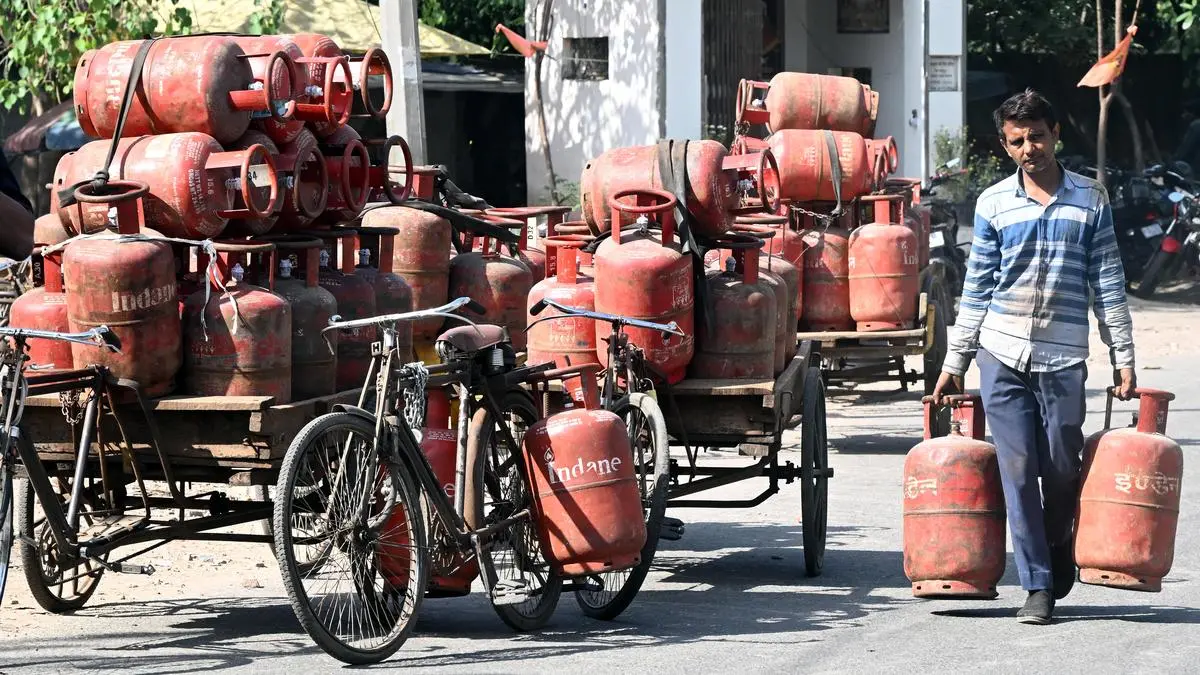
Ministry officials confirm domestic production and import logistics remain robust, effectively removing the risk premium from local energy distributors.
The Ministry of Petroleum and Natural Gas (MoPNG) issued a formal denial regarding recent media speculation concerning an impending LPG shortage. Officials rejected claims suggesting a four-year recovery window for supply chains, asserting that current domestic production and import logistics are sufficient to meet national demand without interruption.
Market observers have been tracking supply chain vulnerabilities closely, particularly as energy security remains a priority for the government. By clarifying that domestic output is not compromised, the Ministry aims to quell retail price volatility and prevent speculative hoarding in the energy sector.
For traders, the MoPNG clarification serves as a signal to discount any risk premium that may have been priced into local energy distributors based on the recent headlines. When domestic supply stability is confirmed, it removes the immediate catalyst for panic buying or aggressive inventory accumulation by commercial entities.
Traders should continue to monitor the broader energy landscape, including crude oil profile dynamics, as any disruption in crude feedstock directly impacts downstream LPG yield. While the Ministry has provided an assurance of stability, global price fluctuations in the energy basket often dictate the cost of imported LPG components. Keep an eye on regional refinery throughput data and monthly import volumes to verify if domestic supply remains aligned with the Ministry's stated targets.
Market participants should focus on baseline commodity pricing rather than speculative reports regarding supply-side recovery timelines. The government's stance effectively resets the narrative on energy security, allowing the market to reprice based on current throughput rather than hypothetical shortages.
Prepared with AlphaScala research tooling and grounded in primary market data: live prices, fundamentals, SEC filings, hedge-fund holdings, and insider activity. Each story is checked against AlphaScala publishing rules before release. Educational coverage, not personalized advice.