Stocks● Neutral
India's Liquor Makers Face FSSAI Crackdown on Flavours, Age Claims
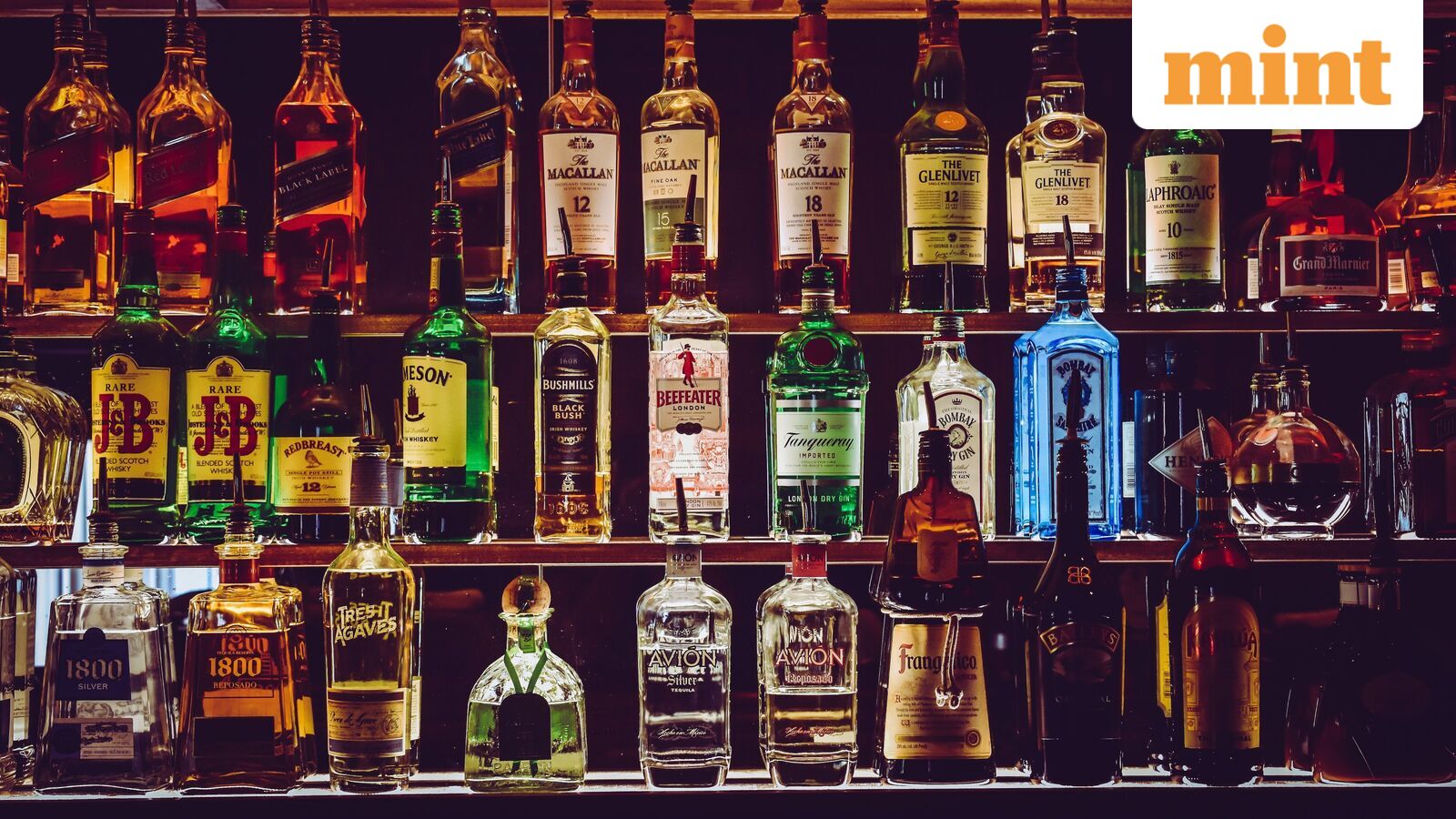
India's food regulator issued notices to liquor makers over added flavours and age claims. The industry says it's a regulatory interpretation dispute, not a safety issue. A Bombay High Court challenge is pending.
Continue with
India's food safety regulator has sent notices to alcoholic beverage manufacturers over added flavours and age declarations, opening a new regulatory front for an industry worth $148.3 billion. The dispute centers on whether nature-identical flavours violate rules that require spirits like rum, brandy, gin, whisky, wine and beer to have only their natural taste and aroma. The regulator also flagged age claims on labels, saying some products declare an age that does not correspond to the youngest spirit in the blend.
The Food Safety and Standards Authority of India (FSSAI) posted the findings on Instagram on Thursday, directing companies to comply and explain why action should not be taken under the Food Safety and Standards Act, 2006. The regulator did not name the companies that received the show-cause notices.
The industry pushed back immediately. The Confederation of Indian Alcoholic Beverage Companies (CIABC) said FSSAI has called consultations with stakeholders next week. Sanjit Padhi, chief executive of the International Spirits and Wines Association of India (ISWAI), said members are in compliance and will seek clarity. An industry executive, speaking on condition of anonymity, said nature-identical flavours are a legitimate part of producing affordable spirits in India, where prolonged barrel ageing is commercially unviable due to high inventory costs, imported barrel costs and evaporation losses. The executive added that the Indian-made foreign liquor (IMFL) category was created under colonial-era excise laws to suit Indian climate and affordability, making it distinct from European spirits.