Stocks● Neutral
India's Kharif Contingency Plan Targets El Nino Crop Risk
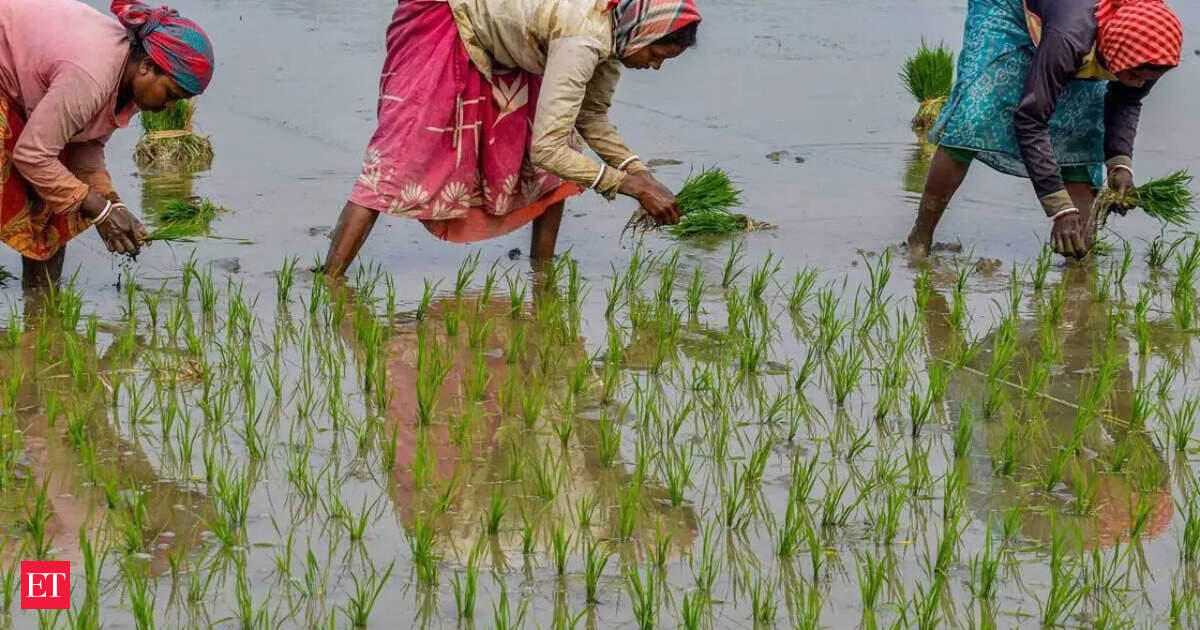
India's agriculture ministry activates a kharif contingency plan to promote short-duration crops like pulses and millets against El Nino risk. State rollout and monsoon data will determine market impact.
Continue with
The agriculture ministry has activated a kharif contingency plan designed to blunt the impact of a potential El Nino event. The directive asks states to prepare district-wise crop strategies and to promote short-duration crops such as pulses, certain millets and vegetables during the kharif season. These crops require less water and mature quickly, which helps mitigate weather variability.
El Nino and the Kharif Strategy Shift
The simple read is that the government is preparing for a dry spell by encouraging water-efficient planting. The better market read involves three cascading effects: planting decisions across millions of hectares shift from water-heavy staples (like paddy and sugarcane) toward shorter-cycle alternatives; demand for specific seeds, fertilizers and irrigation equipment realigns; and the resulting supply mix alters price expectations for pulses, millets and vegetables well before harvest.
The contingency plan is not a decree. It is a guideline. Adoption depends on state-level execution and on how clearly the monsoon pattern unfolds. If El Nino strengthens, farmers face a direct incentive to follow the state-backed strategies. If rainfall stays near normal, the short-duration crop push may see limited uptake.
Short-Duration Crops and the Supply Calculus
Pulses and millets are the structural winners in this scenario. India imports a significant share of its pulse consumption. Any increase in domestic acreage can narrow the import gap. Millets have also gained policy attention as a nutritional alternative. A coordinated state push could accelerate adoption faster than previous voluntary programs.
Vegetables are a shorter-cycle play. The perishable nature means local supply gluts can crush prices quickly. The contingent plan's district-wise approach may help match supply to local demand, reducing post-harvest losses.