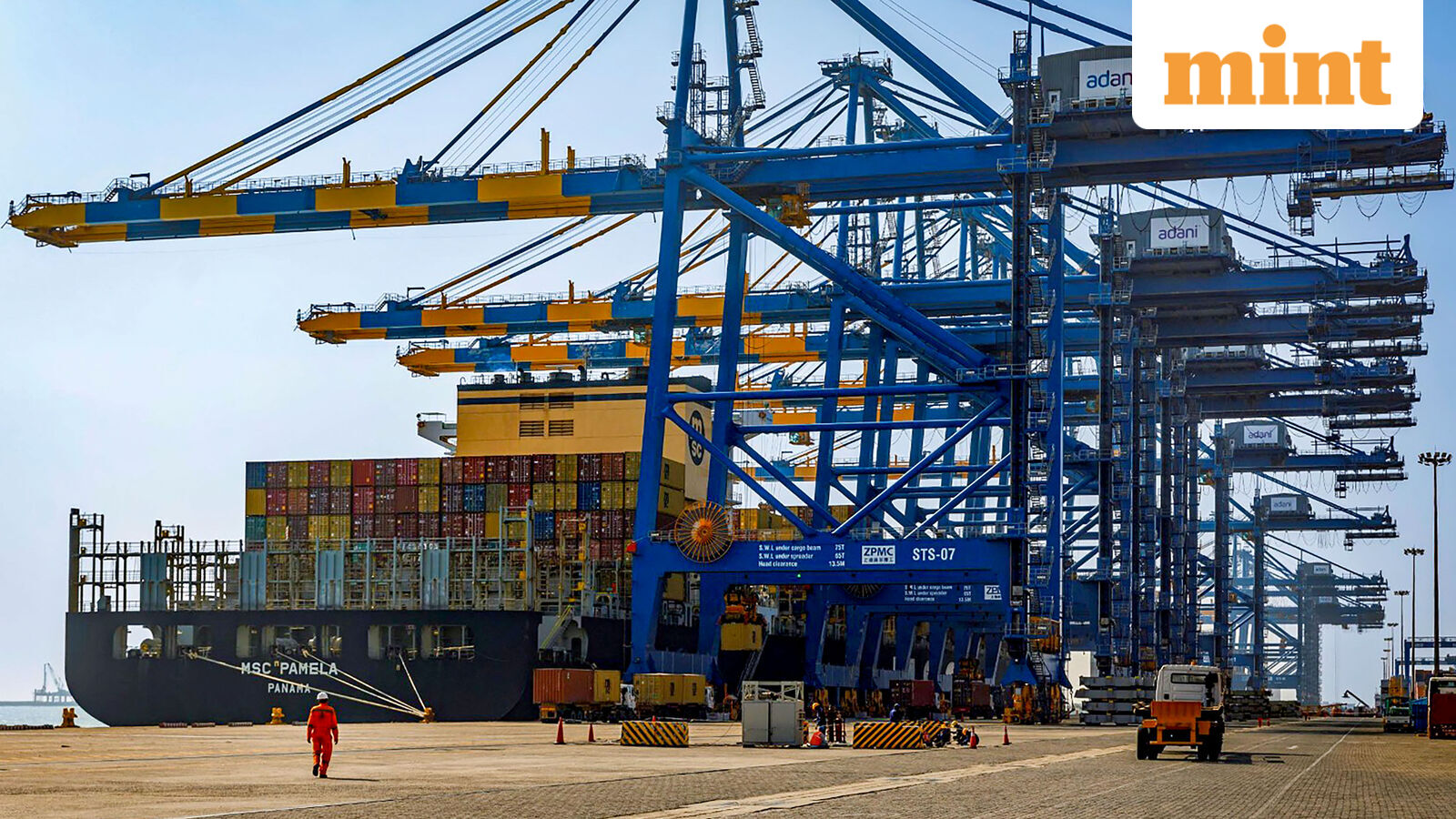
India faces a projected current account deficit of $84.46 billion for the current cycle, a figure that tests the economy's ability to attract sufficient capital inflows. While the scale of this gap invites scrutiny regarding external stability, the structural resilience of the domestic economy suggests that the current deficit levels remain within manageable bounds. The primary concern for policymakers is not the absolute size of the deficit, but the composition and stability of the capital flows required to bridge it.
The Transmission of External Capital Constraints
The ability to finance a current account deficit depends heavily on the quality of incoming capital. Foreign direct investment remains the preferred source of funding due to its long-term commitment, whereas portfolio flows are susceptible to rapid reversals during periods of global risk aversion. When capital inflows fail to cover the deficit, the burden shifts to foreign exchange reserves or currency depreciation. This mechanism creates a direct link between the current account and the domestic interest rate environment, as the central bank may be forced to adjust policy to maintain capital attractiveness.
Recent shifts in global liquidity have highlighted the sensitivity of emerging markets to external shocks. As noted in our market analysis, the interplay between domestic policy and global capital availability is increasingly critical for maintaining macroeconomic stability. The RBI has historically prioritized stability, as seen in instances where the RBI Governor Malhotra prioritizes macroeconomic sovereignty over capital liberalization. This approach serves as a buffer against the volatility associated with sudden stops in capital inflows.
Structural Indicators and Market Sensitivity
Sustainability is often measured by the ratio of the deficit to gross domestic product, rather than the nominal dollar amount. A widening deficit necessitates a closer look at trade dynamics and the import intensity of domestic growth. If the deficit is driven by capital goods imports that enhance future productivity, the long-term outlook remains positive. However, if the deficit reflects consumption-led imports or high energy costs, the vulnerability to external shocks increases significantly.
For investors monitoring the broader healthcare and industrial sectors, the stability of the macro environment is a key input for valuation models. For instance, Agilent Technologies, Inc. currently holds an AlphaScore of 55/100, reflecting a moderate outlook within the healthcare sector. Such metrics are influenced by the broader economic backdrop, where currency volatility and interest rate expectations play a vital role in determining cost structures and profit margins.
- Key factors influencing the sustainability of the current account deficit:
- The ratio of foreign direct investment to portfolio investment inflows.
- The impact of global energy prices on the import bill.
- The adequacy of foreign exchange reserves relative to short-term external debt obligations.
The next concrete marker for this narrative will be the upcoming balance of payments data release, which will provide a clearer picture of whether capital inflows are keeping pace with the projected deficit. Any significant deviation from expected funding patterns will likely prompt a reassessment of the central bank's intervention strategy and the potential for further adjustments to domestic liquidity conditions.