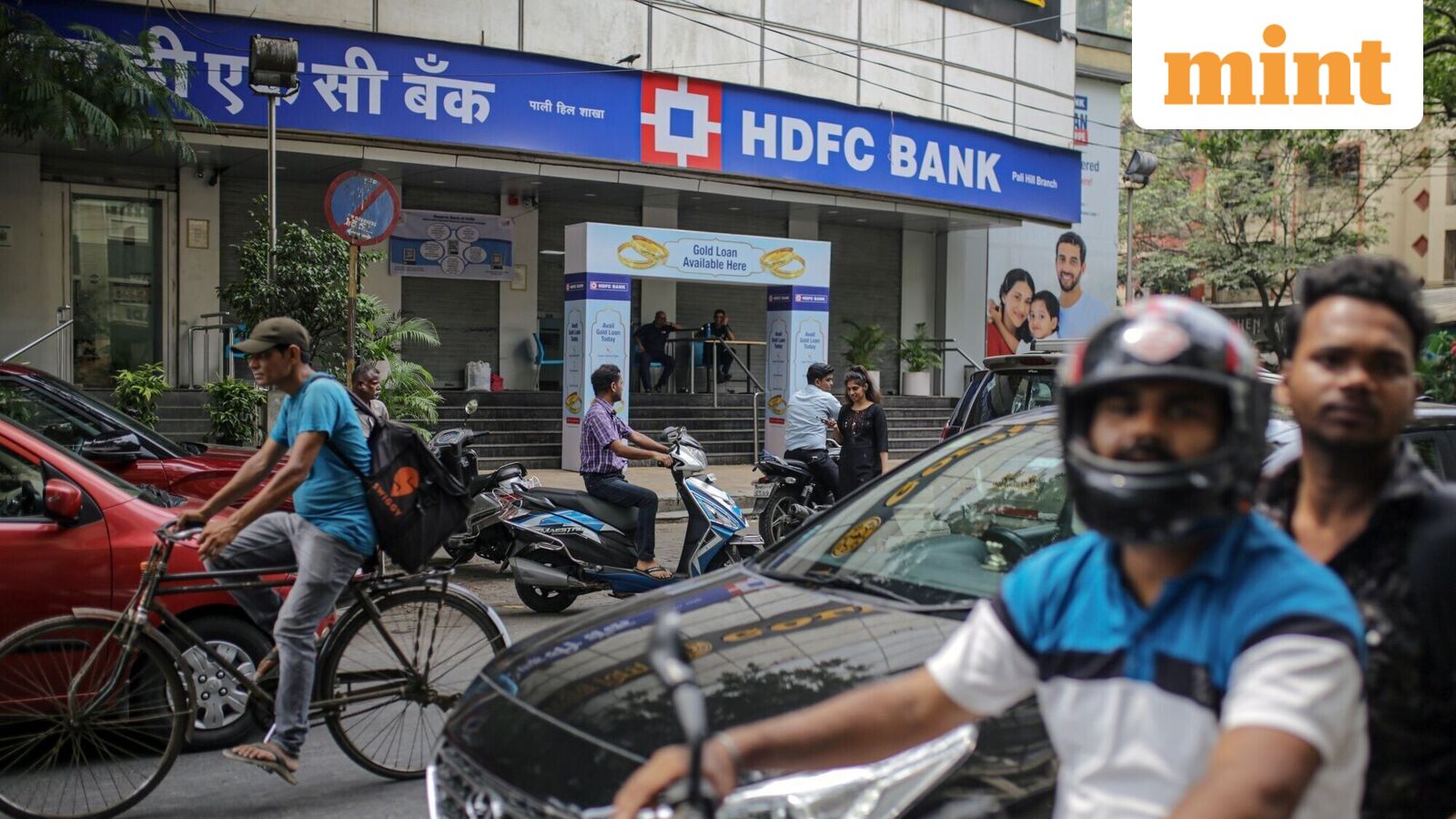
Indian banking operations remain fully functional today, 18 April, as the date aligns with the third Saturday of the month. Under the current Reserve Bank of India (RBI) holiday framework, commercial banks in India observe closures on the second and fourth Saturdays of each month. This operational cadence ensures that the banking system maintains consistent service levels during the middle of the month, preventing prolonged liquidity bottlenecks that often arise during extended holiday windows.
Operational Impact on Liquidity and Settlement
The distinction between working Saturdays and designated holidays is critical for institutional and retail settlement cycles. While physical branches remain open for standard counter services today, the broader financial infrastructure relies on the RBI's Real-Time Gross Settlement (RTGS) and National Electronic Funds Transfer (NEFT) systems, which operate independently of branch-level staffing schedules. Maintaining these systems on third Saturdays mitigates the risk of clearing delays that could otherwise impact interbank lending rates or corporate cash management cycles.
For institutional clients, the availability of branch services on a third Saturday provides a necessary window for finalizing month-end reconciliation tasks. As noted in Regulatory Shifts and Institutional Compliance Pressures Define Banking Landscape, the stability of these operational windows is essential for maintaining compliance with evolving reporting requirements. The ability to process physical documentation and verify high-value transactions ensures that the banking sector avoids the friction associated with backlogs that typically follow consecutive non-working days.
Transmission to Broader Financial Markets
Market participants monitor these operational schedules to gauge the velocity of money within the domestic economy. When banks are closed, the transmission of liquidity from the central bank to the broader commercial sector can experience temporary deceleration. By keeping branches open on the third Saturday, the RBI facilitates a smoother transition of capital, ensuring that credit lines and payment obligations are met without the need for emergency liquidity injections.
This operational structure serves as a buffer against volatility in short-term funding markets. As the banking sector continues to navigate Liquidity Contraction Pressures Funding Markets as TGA Rebuilds, the consistency of branch-level activity acts as a stabilizing force for retail deposit flows. The predictability of these working days allows corporations to align their payroll and debt-servicing schedules with the availability of banking personnel, reducing the reliance on automated systems for complex, non-standard transactions.
The next concrete marker for the banking sector involves the upcoming transition into the final week of April. Market participants should monitor the RBI's updated holiday calendar for the fourth Saturday, which will trigger a mandatory closure for all physical branch operations. This upcoming break will serve as the next stress test for automated clearing systems, as the industry shifts toward a period of reduced physical oversight.