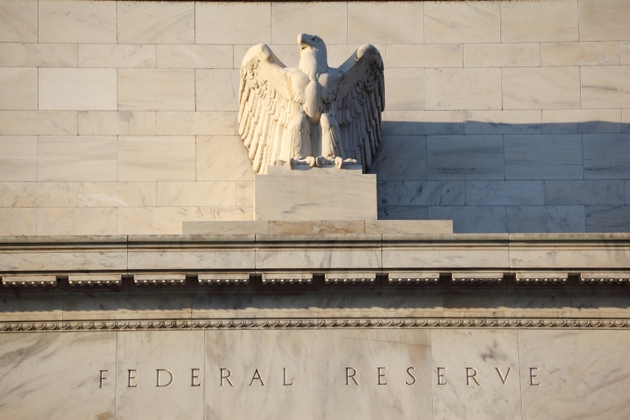
Bank of America research indicates that Treasury yields frequently trend higher following the appointment of a new Federal Reserve chair. The historical data suggests that markets often price in a risk premium during periods of leadership transition, reflecting uncertainty regarding the incoming official's policy stance and reaction function. This phenomenon is typically observed across the front end of the curve, specifically impacting the two-year Treasury note as investors adjust expectations for the terminal rate.
Yield Sensitivity and Volatility
The transmission mechanism for these yield increases often stems from heightened volatility in interest rate markets. When leadership changes occur, the lack of a established track record for the new chair can lead to a repricing of inflation expectations and monetary policy paths. This shift frequently manifests as a steepening or flattening of the yield curve depending on the perceived hawkishness of the new appointee. Investors often demand higher compensation for holding duration during these windows of transition, which exerts upward pressure on bond yields.
While historical patterns provide a framework for understanding these moves, the current environment remains sensitive to broader macroeconomic data. The correlation between leadership transitions and yield volatility underscores the importance of central bank transparency in anchoring market expectations. As market analysis continues to evolve, the focus remains on how the Federal Reserve manages communication to mitigate unnecessary rate spikes during periods of institutional change. The interplay between these leadership shifts and the gold profile also remains a critical area for investors monitoring safe-haven demand during periods of policy uncertainty.