Regulatory Shifts Force Compliance Overhaul at HSBC and DB
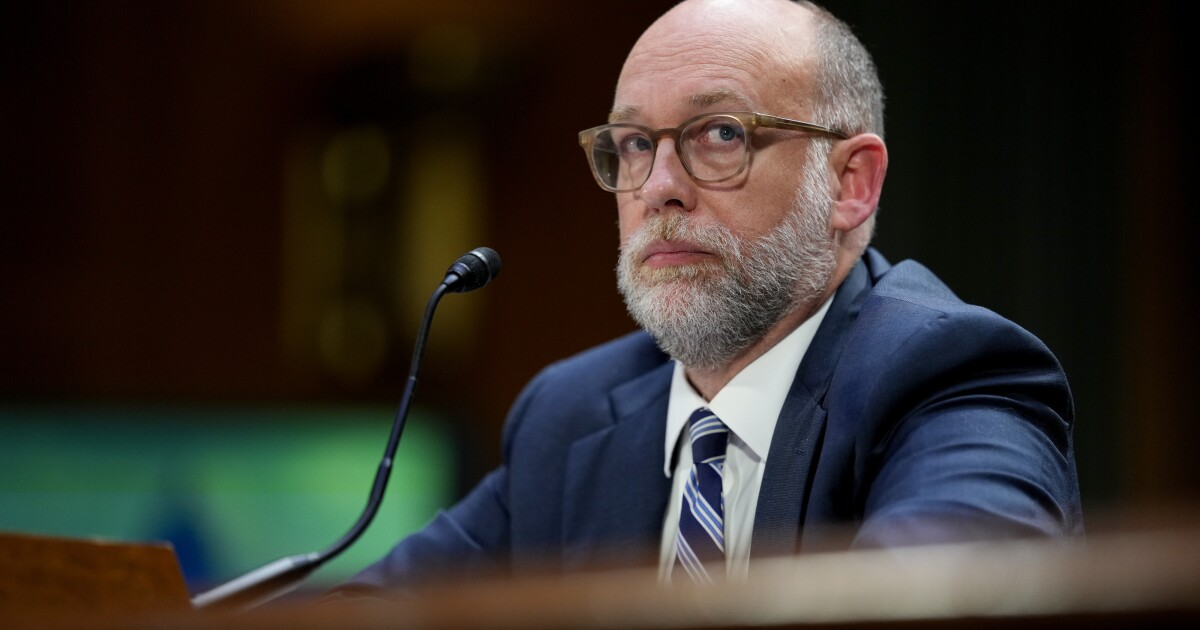
Deutsche Bank faces scrutiny over potential sanctions breaches as Treasury reshapes federal oversight. Investors await Bundesbank’s formal response.
The Treasury Department has initiated a significant administrative shift by terminating the lease for the Consumer Financial Protection Bureau headquarters in Washington, D.C. This move signals a potential change in the operational footprint of federal regulatory bodies, creating uncertainty regarding the future physical oversight of consumer finance. The termination of such a high-profile lease suggests a broader push for structural changes within the regulatory apparatus, which may influence how financial institutions navigate compliance requirements in the coming quarters.
Institutional Leadership and Structural Overhaul
HSBC is navigating a period of internal transition following the departure of Gerry Keefe, the head of banking for Europe and the Americas. Keefe’s exit, which follows a broader organizational overhaul at the bank, highlights the ongoing volatility in senior leadership roles across major global financial institutions. Such departures often coincide with strategic pivots in capital allocation and regional focus. As firms adjust their management structures, the continuity of client relationships and the execution of long-term investment strategies remain central to institutional stability.
Compliance Risks and Regulatory Scrutiny
Deutsche Bank has disclosed potential sanctions breaches involving Russian clients to the German financial regulator, the Bundesbank. This development underscores the heightened sensitivity of global banking operations to international sanctions regimes and the rigorous reporting standards required by European regulators. The disclosure process itself acts as a mechanism for managing legal and reputational risk, yet it also invites deeper scrutiny into the bank’s internal controls and client vetting processes. The intersection of market analysis and geopolitical compliance remains a critical friction point for multinational banks operating across jurisdictions with conflicting regulatory mandates.
- Treasury terminates CFPB headquarters lease in Washington, D.C.
- HSBC leadership undergoes change with the departure of the head of banking for Europe and the Americas.
- Deutsche Bank reports potential sanctions-related compliance issues to the Bundesbank.
These events reflect a tightening regulatory environment where operational independence and strict adherence to international law are increasingly scrutinized. The combination of physical office consolidation and heightened reporting requirements suggests that banks must prioritize internal audit functions to mitigate the risk of regulatory penalties. As institutions like Deutsche Bank address these compliance gaps, the broader market will look for indications of whether these breaches are isolated incidents or symptomatic of wider systemic failures in cross-border transaction monitoring. The next concrete marker for these developments will be the formal response from the Bundesbank regarding the Deutsche Bank disclosures and any subsequent guidance from the Treasury regarding the future location and mandate of the CFPB.
Drafted by a large language model from the source reporting linked above, then screened by automated publishing checks. It is not read by a journalist before publication. Some articles cite our Alpha Score. Verify prices and figures against the original source. Educational coverage, not personalized advice.