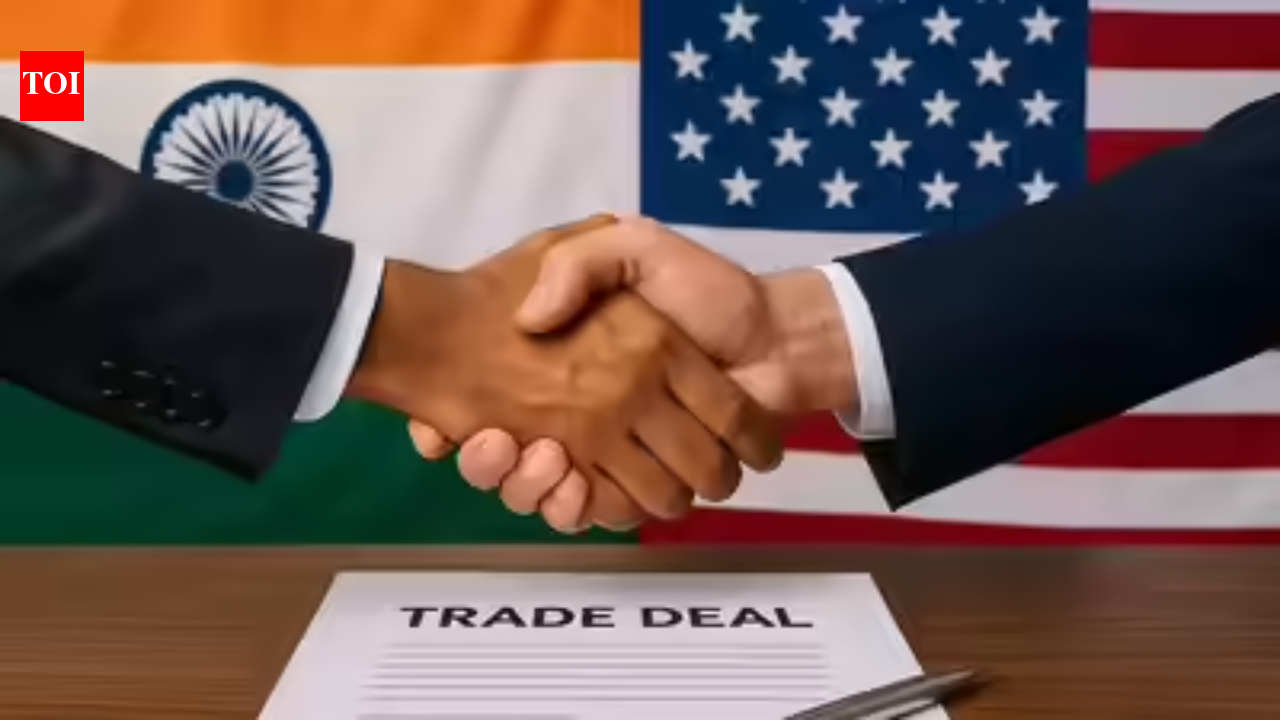
US Ambassador to India Sergio Gor stated Friday that only 1% of the work remains on a bilateral trade agreement between the two nations. The comment, reported by India Business News, positions the final stage of negotiations as a tactical sprint rather than a long march. Gor emphasized no partnership is better placed than India and the US to work together on critical and emerging technologies, suggesting the trade deal’s architecture is already set and only technical details need resolution.
Why the 1% Figure Matters for Markets Now
The ambassador’s claim compresses the timeline for a deal that markets have priced as a medium-term event, not an immediate catalyst. If Gor’s assessment is accurate, the agreement could cross the finish line within weeks rather than quarters. That shift changes the calculus for companies exposed to India-US trade flows, particularly in sectors where tariff or non-tariff barriers remain active.
The naive read is that 1% implies a near-guaranteed sign-off. The better market read is that the final 1% of any trade deal is often the hardest because it contains the sticking points both sides left for last. Tariff schedules on agricultural goods, digital trade rules, and intellectual property enforcement are typical late-stage hurdles. A deal at 99% completion carries execution risk until the text is signed, and a collapse at this stage would be more disruptive than no deal at all.
Affected Sectors and the Next Catalyst Path
Technology and defense are the two sectors most referenced in Gor’s framing. Companies with significant supply chain links between India and the US, such as Apple (AAPL) and NVIDIA (NVDA), have a direct interest in a rules-based trade framework that reduces tariff unpredictability. Apple’s India manufacturing push now accounts for about 14% of total iPhone assembly, and a trade deal could lock in lower input duties for components that still move between the two countries.
The specific mechanism is tariff reduction on electronics components. If the final 1% includes them, gross margins at assemblers could see a small but real lift. If the 1% excludes components, the trade deal is largely political theater for the tech sector.
Decision Point: Watch the Working Group Cadence
The next hard catalyst is the publication of the joint working group’s final text. Until that document appears, 1% is a diplomatic signal, not a tradable event. If the Indian or US trade representative schedules a signing ceremony, the signal becomes actionable. If the 1% figure is followed by weeks of silence, the original skepticism applies.
For now, the ambassador’s statement is a positive headline but not a reason to reweight exposure to India-US trade. The final 1% defines the deal’s economic value, and that detail is still unknown.
stock market analysis traders should track any official follow-up from the US Trade Representative or India’s commerce ministry. A concrete date for a signing would turn the ambassador’s 1% claim into a real catalyst for export-oriented Indian IT and manufacturing stocks.