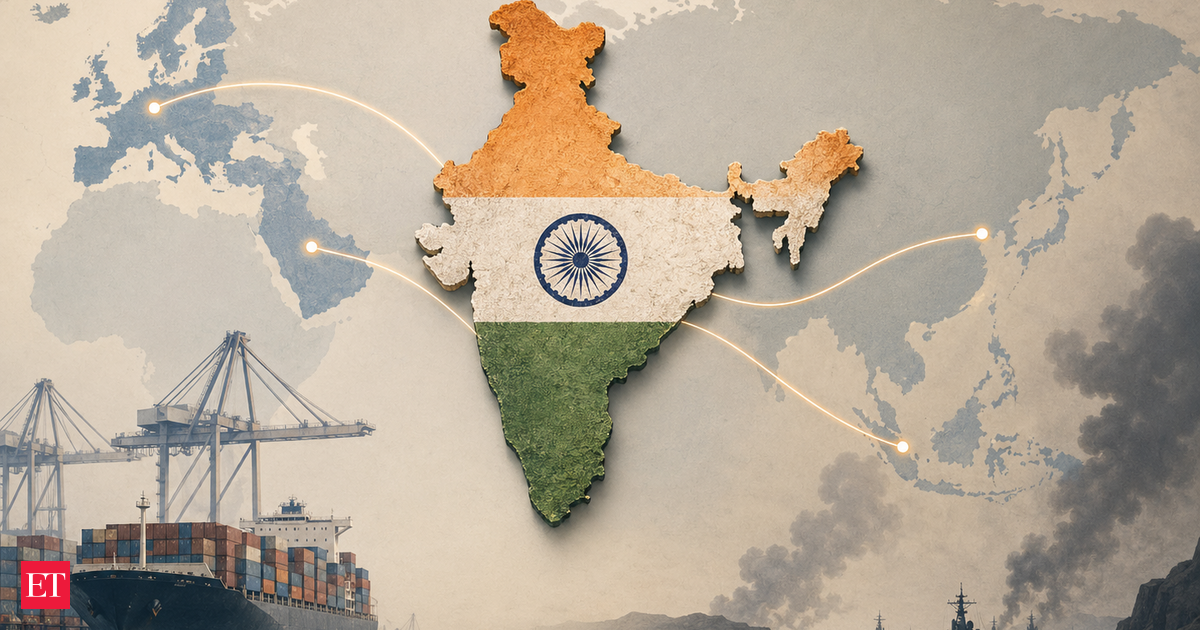
India is currently navigating a complex transition period as its recent slate of trade agreements moves from the signing phase to implementation. While the government has prioritized new frameworks with partners like the UK and Oman, the global environment has shifted toward heightened volatility. The primary challenge for the domestic economy is no longer the negotiation of terms, but the translation of these diplomatic milestones into actual trade flows and expanded market access.
The Friction of Global Volatility
Geopolitical instability has introduced a layer of uncertainty that complicates the ratification and execution of these trade deals. Supply chains remain sensitive to regional conflicts, which can disrupt the logistics required to capitalize on new tariff structures. For firms operating within the Indian manufacturing and export sectors, the promise of lower barriers is currently being weighed against the rising costs of insurance, freight, and security. The transition from a signed agreement to a functional trade corridor requires a level of stability that is currently absent in several key maritime and transit regions.
Sectoral Winners and the Scale Advantage
Large-scale exporters are positioned to capture the initial benefits of these agreements. These entities possess the existing infrastructure and regulatory compliance teams necessary to navigate the complex ratification processes that follow a deal. Smaller enterprises, by contrast, face a longer lead time before they can effectively leverage the new market access. The current trajectory suggests a bifurcated outcome where the largest firms see immediate margin expansion while the broader SME sector waits for the administrative hurdles of the new deals to clear.
- Oman represents a near-term priority for trade integration.
- European agreements remain in a slower, more complex ratification cycle.
- Large-scale exporters are the primary beneficiaries of early-stage implementation.
AlphaScala Data and Market Context
Investors monitoring the broader technology sector should note that firms like ServiceNow, found on the NOW stock page, and ON Semiconductor, detailed on the ON stock page, operate in a global environment where trade policy shifts often dictate capital allocation. ServiceNow currently holds an Alpha Score of 52/100, while ON Semiconductor sits at 45/100, both reflecting the mixed sentiment currently prevalent in the tech sector. These scores highlight how external trade pressures and geopolitical risks continue to influence valuation metrics across high-growth industries.
As the government pushes forward, the next concrete marker for the success of these initiatives will be the publication of specific tariff reduction schedules and the formalization of customs protocols for the Oman corridor. Market participants should look for updates on the administrative timelines for the UK agreement, as these will serve as the primary indicators of whether the current trade strategy can overcome the prevailing geopolitical constraints. The ability to maintain momentum in these negotiations will determine if India can successfully pivot its economic strategy toward deeper global integration despite the ongoing threats to international trade routes.