Commodities● Neutral
India State Oil Marketers Seek SAF Incentives Before 2027 Blend
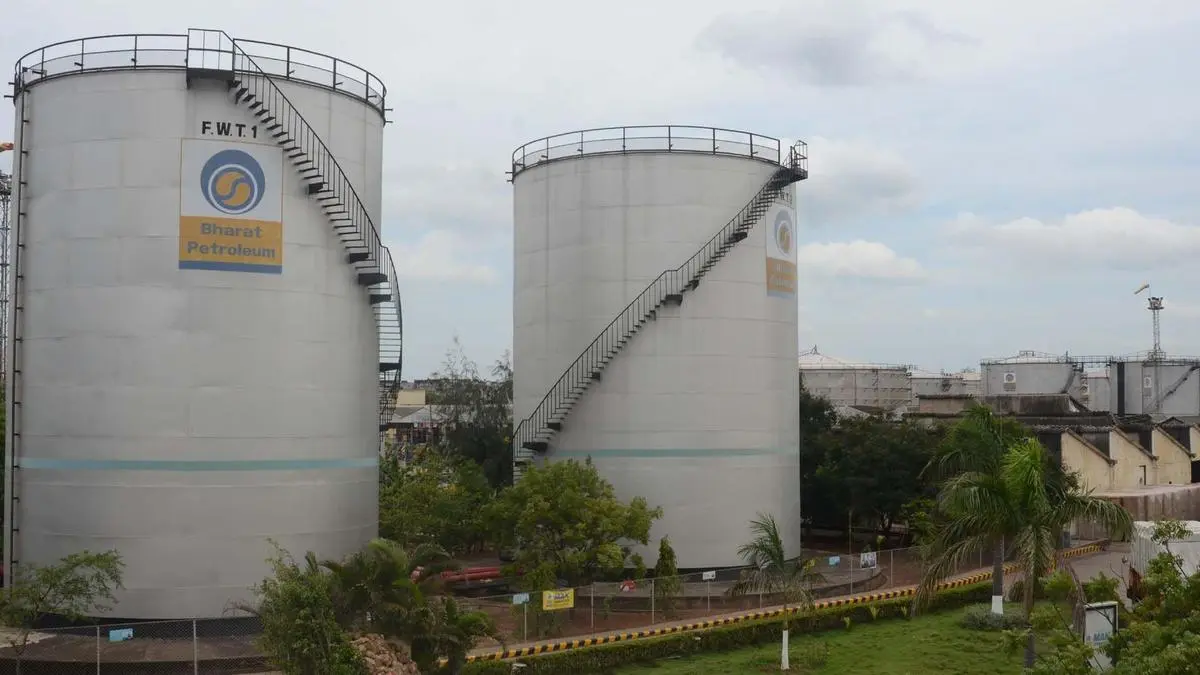
IOC starts Panipat SAF production in September. BPCL, HPCL follow with 2025–26 capacity. Without subsidies, offtake risk remains. Fare impact minimal at 1% blend.
Continue with
India's state-run oil marketing companies are asking the government for fiscal incentives to make sustainable aviation fuel (SAF) affordable ahead of a 1% blending mandate that takes effect in January 2027. Without viability gap funding or tax rebates, executives argue, the cost of SAF – currently three to five times that of conventional aviation turbine fuel (ATF) – will discourage airlines from signing offtake agreements.
The government expanded the definition of ATF to include SAF in April 2025. Shailesh Dhar, Executive Director and Country Head (Aviation) at Indian Oil Corporation (IOC), said the notification "sets the ball in motion for introducing SAF in India." The government is now drafting a SAF policy that will impose specific mandates on airlines and fuel suppliers.
The 2027 Mandate and the Pricing Gap
The government set indicative targets: 1% SAF in jet fuel for international flights from January 2027, rising to 2% by 2028 and 5% by 2030. The global SAF price premium is the biggest immediate hurdle. SAF costs three to five times more than conventional ATF. Airlines in Europe already charge a surcharge to cover mandatory SAF blends introduced in 2025. Singapore will impose a levy of SGD 1 to 42 per ticket from January 2026.
Saleem Farooqui, Senior Principal Scientist at CSIR-Indian Institute of Petroleum, estimates fares could rise by only ₹100-200 per ticket with the initial 1% blend. The small percentage limits the near-term consumer impact.
IOC's Panipat Production: First-Mover Economics
IOC expects to start producing SAF from its Panipat refinery in September 2025. The company has signed a memorandum of understanding with Air India and a letter of intent with Akasa Air for SAF offtake. Dhar said discussions are also underway with foreign airlines.
Offtake Agreements and Investment Certainty
IOC's early production gives it a first-mover advantage. The MoU and LOI provide some demand visibility. The government's policy framework, however, will determine whether these agreements convert into binding long-term contracts. Dhar said the government will consult both airlines and oil companies to address cost-sharing concerns.
BPCL and HPCL: Building Capacity for the Blend Ramp
Bharat Petroleum Corporation Ltd (BPCL) and Hindustan Petroleum Corporation Limited (HPCL) are moving ahead with their own SAF projects, though on later timelines.
BPCL's 60 ktpa Mumbai Facility
Sanjeev Kumar, BPCL's Business Head (Aviation), said the co-processing facility at the company's Mumbai refinery will be commissioned by the end of 2025. The facility will have a capacity of 60 kilotonnes per annum – enough to meet the initial 1-2% blending requirement, he added.
HPCL's Certification Path
HPCL expects certification for its production process by the fourth quarter of 2026. "We have carried out a demonstration where we have used cooking oil and co-processed it with normal ATF. The project is ongoing," said Sibi Mathew T, HPCL's Executive Director (Aviation). Used cooking oil is a key feedstock for the co-processing route.