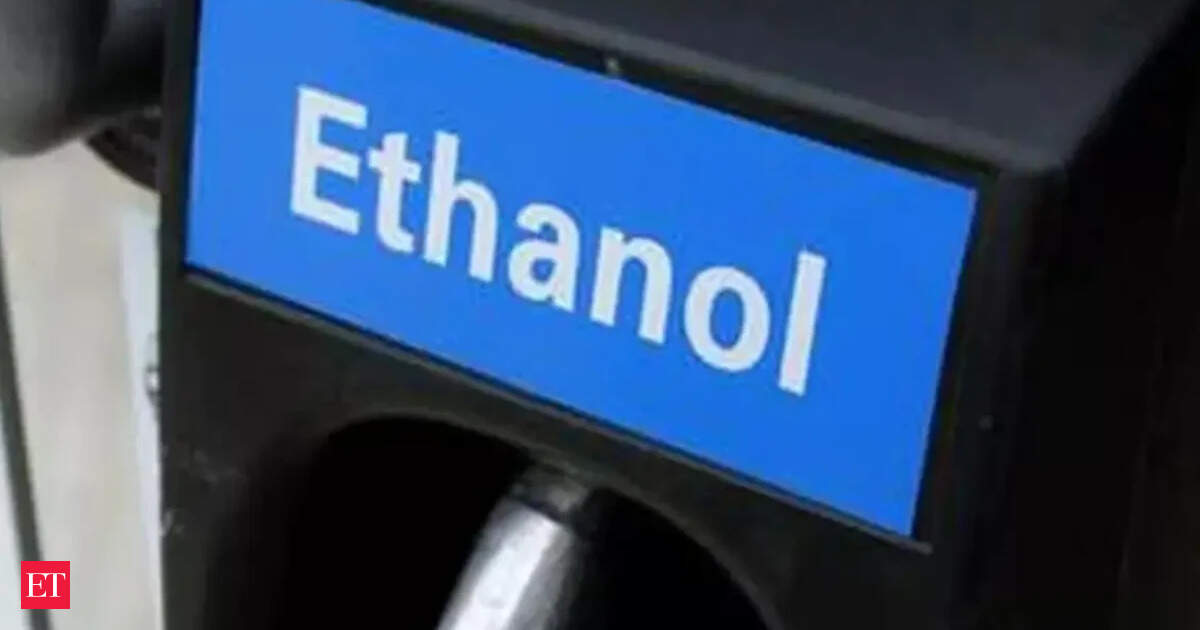
The Indian Ministry of Road Transport and Highways has initiated a formal update to vehicle emission standards, marking a decisive step toward the integration of high-blend ethanol and biodiesel fuels. By proposing amendments to Rule 115 of the Central Motor Vehicles Rules of 1989, the government is establishing a standardized testing and certification framework for E85, E100, and B100 fuel types. This regulatory shift effectively transitions these fuels from experimental or niche status into the mainstream compliance architecture for the automotive sector.
Formalizing the High-Blend Fuel Pathway
The inclusion of E85 and E100 in official emission testing protocols addresses a critical bottleneck for domestic manufacturers. Previously, the lack of a clear certification pathway for high-ethanol blends prevented automakers from designing and marketing vehicles optimized for these specific fuel profiles. By codifying these standards, the ministry is providing the necessary legal certainty for original equipment manufacturers to calibrate engines for higher biofuel concentrations. This move aligns with broader national objectives to reduce dependency on imported crude oil and leverage domestic agricultural output for energy production.
For the industrial sector, the shift necessitates a re-evaluation of powertrain development cycles. Manufacturers must now account for the distinct combustion characteristics of high-ethanol and biodiesel blends within their standard testing pipelines. This change is likely to accelerate the rollout of flex-fuel vehicles that can handle varying concentrations of ethanol, moving beyond the current E20 standard that has dominated the recent policy conversation. The regulatory framework now serves as the primary bridge between fuel availability and vehicle design.
Sectoral Read-Through and Energy Integration
The transition toward E100 and B100 standards carries significant weight for the energy and industrial landscape. As the automotive sector adjusts to these new testing requirements, the demand for specialized fuel distribution infrastructure and engine components resistant to the corrosive nature of high-ethanol blends will likely rise. This creates a secondary market for engineering firms and chemical suppliers focused on fuel system durability. While the immediate impact is concentrated on compliance and certification, the long-term effect is a structural change in how the transportation sector consumes energy.
AlphaScala data currently tracks various industrial and technology players, including Bloom Energy Corp, which holds an Alpha Score of 46/100. As the energy ecosystem evolves, companies involved in fuel cell technology and alternative energy infrastructure may find new integration points within this shifting regulatory environment. The focus now turns to stock market analysis regarding how quickly domestic manufacturers can pivot their production lines to meet these updated certification requirements.
The Next Regulatory Marker
The immediate next step for the industry is the conclusion of the public comment period and the subsequent publication of the final notification in the official gazette. Once the amendments to Rule 115 are finalized, the ministry will likely issue technical guidelines for the specific testing equipment required for E85 and E100 certification. Investors should monitor the subsequent release of updated vehicle type-approval documents from major automotive manufacturers, as these will serve as the first tangible indicators of commercial adoption for high-blend fuel technologies.