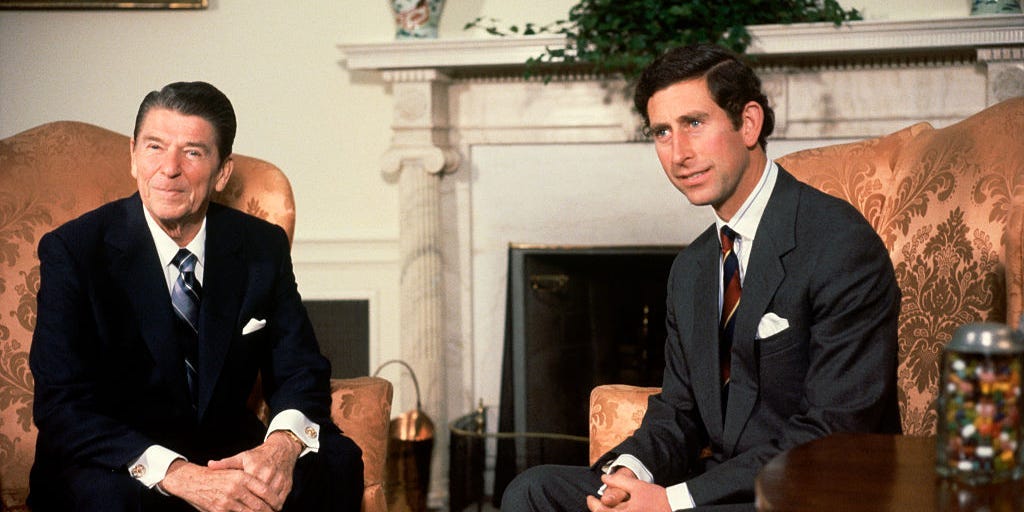
The enduring relationship between the British monarchy and the United States presidency serves as a unique barometer for geopolitical stability. King Charles III has engaged with ten consecutive US presidents, a span of diplomatic interaction that underscores the role of the Crown as a constant in an otherwise volatile international political landscape. While individual administrations shift their policy priorities and economic agendas, the ceremonial and diplomatic bridge maintained by the monarchy provides a consistent framework for bilateral relations.
Institutional Stability as a Diplomatic Asset
The frequency of state visits and formal correspondence between the British royal family and the White House functions as a soft-power mechanism. For global markets, these interactions often signal the strength of the transatlantic alliance, which remains a cornerstone for trade agreements and regulatory alignment. The ability of the monarchy to transcend domestic political cycles in the United States allows for a continuity of diplomatic engagement that is rarely mirrored in other international partnerships. This institutional longevity minimizes the friction typically associated with transitions in executive leadership, ensuring that long-term strategic cooperation remains prioritized.
Economic Read-Throughs of Transatlantic Ties
Investors often look to the strength of the US-UK relationship as a proxy for broader stability in the Western financial system. When diplomatic channels remain open and active, it reduces the risk of sudden shifts in trade policy or regulatory cooperation. This is particularly relevant for sectors that rely on cross-border capital flows and harmonized standards. While the monarchy does not dictate fiscal policy, its role in facilitating high-level dialogue creates a predictable environment for multinational corporations operating across both jurisdictions. The symbolic weight of these meetings often precedes or reinforces substantive economic discussions, providing a stable backdrop for stock market analysis and long-term investment planning.
AlphaScala Data and Market Context
In the broader financial landscape, institutional stability is a key factor in how firms like MET (MetLife Inc.) assess geopolitical risk in their international portfolios. With an Alpha Score of 56/100, MetLife operates within a sector where global regulatory consistency is paramount. Similarly, companies like HAS (Hasbro, Inc.) depend on stable trade environments to manage complex supply chains and consumer demand across major markets. The diplomatic continuity represented by the British monarchy serves as a foundational element that supports these global operations by mitigating the risks associated with sudden diplomatic ruptures.
Future market movements will likely be influenced by the next major state-level engagement, which serves as a marker for the current administration's commitment to traditional alliances. Observers should monitor upcoming diplomatic summits for shifts in tone or policy emphasis, as these events often provide the first indication of changes in the strategic alignment between the United States and the United Kingdom.