India's NCB proposes a virtual working group for real-time intelligence sharing across 11 BRICS nations. The move targets synthetic drugs and precursor diversion — raising compliance stakes for pharma and logistics.
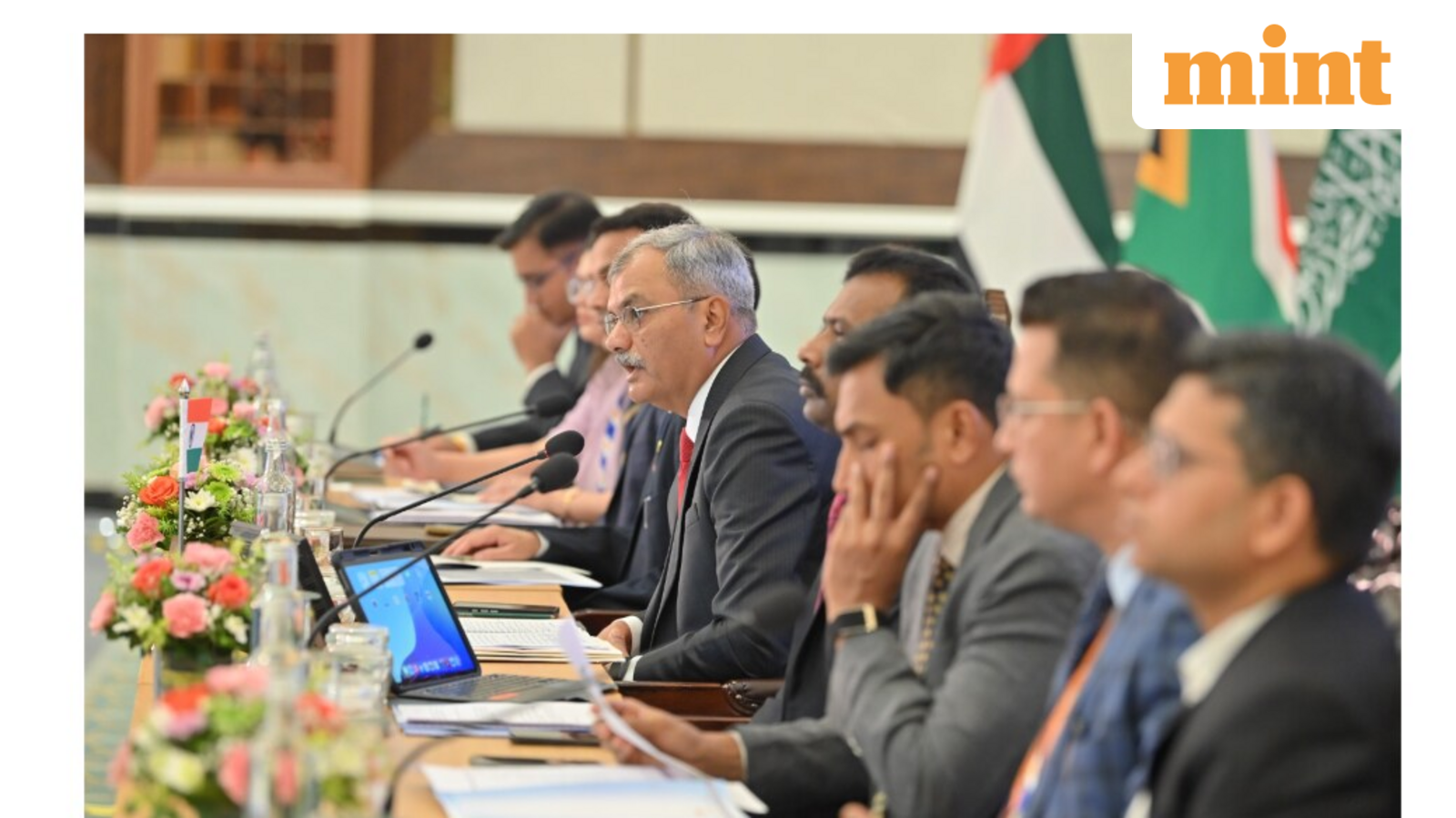
India's Narcotics Control Bureau chief proposed a dedicated virtual working group for BRICS anti-drug cooperation Monday, arguing that modern trafficking methods have turned a local problem into a hyper-connected global threat. Anurag Garg, the NCB director general, made the pitch at a two-day meeting of the heads of anti-drug agencies from the bloc's 11 member nations.
The proposal lands as the expanded BRICS – now covering 49.5 percent of the world's population, about 40 percent of global GDP and 26 percent of global trade – tries to turn collective pledges into operational coordination. Garg said the working group would meet regularly, exchange real-time intelligence and coordinate joint law enforcement operations. He called the consensus from last month's 8th BRICS Anti-Drug Working Group meeting a solid foundation for this week's talks.
Three priority areas anchor the agenda: combating synthetic drugs and precursor diversion, strengthening intelligence sharing and operational coordination, and capacity building. Specialized sessions will cover exploitation of Darknet platforms, the rise of New Psychoactive Substances (NPS) and prevention of precursor chemical diversion. These are enforcement priorities that could disrupt supply chains and raise compliance costs for companies operating across BRICS borders.
For pharmaceutical firms that handle precursor chemicals, the implications sit directly on the compliance line item. India's zero-tolerance policy, as Garg framed it, targets the complete disruption of trafficking networks and the financial starvation of syndicates through asset forfeiture. That language is not aspirational; it describes a whole-of-government approach that integrates state, national and international intelligence agencies. Drug makers and chemical distributors moving precursors between BRICS member states face tighter scrutiny if the working group gains a real mandate.
Logistics providers that move goods across the bloc's borders – especially through high-risk transit points – could see new documentation and tracking requirements. The NCB chief said law enforcement agencies must operate with a level of agility and mutual trust that cuts through traditional barriers. That implies data-sharing protocols and possibly shared customs alerts, which would affect shipping timelines and compliance overhead for cross-border freight.
Security and surveillance technology providers may find a spending catalyst in the push. Governments that institutionalize a whole-of-government approach to drug enforcement will likely invest more in monitoring platforms, data integration systems and cross-border communications infrastructure. Garg said the working group would serve as a platform to analyse shifting trafficking patterns. Such analysis requires tools for blockchain tracing of transactions, Darknet monitoring and precursor chemical tracking.
The BRICS expansion itself amplifies the stakes. The bloc now includes Brazil, Russia, India, China, South Africa, Egypt, Ethiopia, Iran, Saudi Arabia, the UAE and Indonesia – the last joining in 2025. That range of economies and regulatory environments means any coordinated enforcement framework has to bridge widely different legal systems and enforcement capacities. Garg acknowledged this challenge: he said criminal networks do not respect borders or sovereignty, and they do not wait for bureaucratic clearances.
Garg also stressed a restorative approach toward drug abuse victims, rejecting the view that addiction is a simple law-and-order failure. He described a model centered on harm reduction and holistic recovery. That angle broadens the policy picture beyond enforcement, though for investors the near-term impact sits with compliance and surveillance spending.
The meeting runs through Tuesday. Any formal joint statement from the anti-drug heads would specify whether the working group gets a timeline and a staffing commitment. Without those details, the proposal remains a speech. With them, the compliance landscape for companies handling precursors, moving goods across BRICS borders or selling investigative technology starts shifting in a concrete direction.
Prepared with AlphaScala research tooling and grounded in primary market data: live prices, fundamentals, SEC filings, hedge-fund holdings, and insider activity. Each story is checked against AlphaScala publishing rules before release. Educational coverage, not personalized advice.