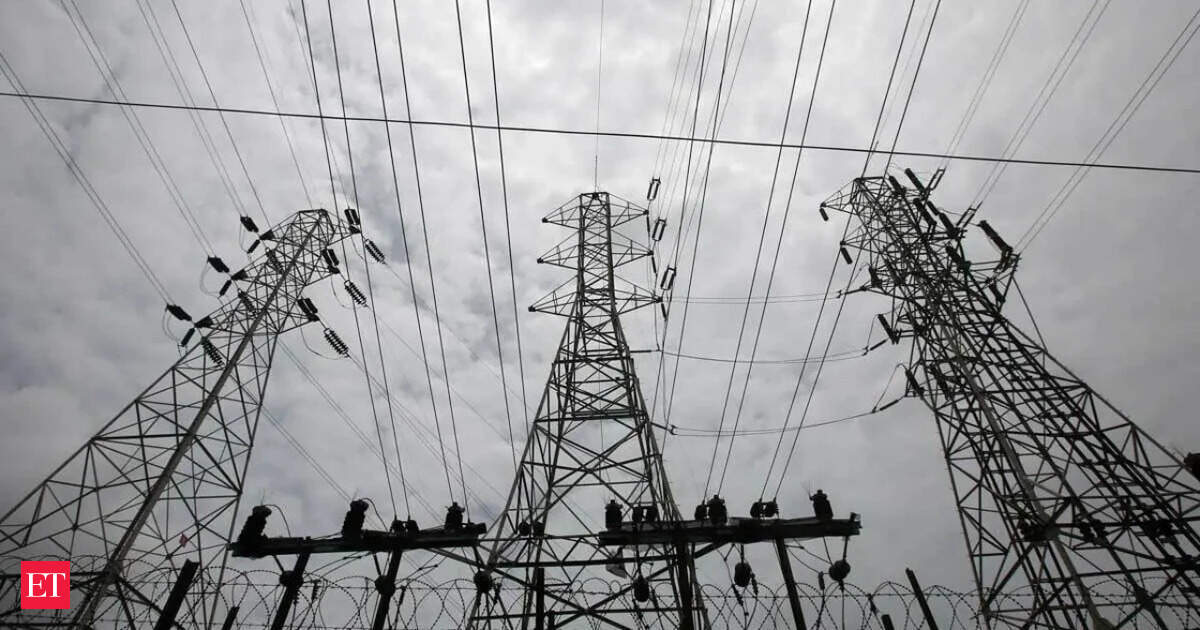
India reached a record peak power demand of 256 gigawatts on Saturday as an intense heatwave swept across the country. This figure marks a significant escalation from the 243 gigawatts recorded during the summer of 2025. The surge in consumption is tied directly to sustained high temperatures, with the India Meteorological Department reporting daily maximums between 40 and 45 degrees Celsius across most regions. Only the western Himalayan belt, northeast India, the west coast, and parts of the southern peninsula have avoided the most extreme thermal conditions.
Grid Stability and Infrastructure Pressure
The jump to 256 gigawatts tests the operational limits of India's national grid. While the 2025 season saw lower peak demand due to favorable weather patterns and an early monsoon onset, the current environment lacks those cooling buffers. The rapid increase in load requires a delicate balancing act between thermal generation and the integration of renewable sources. Utility providers are now forced to manage higher baseload requirements while maintaining reserve margins that are typically thinned during peak summer months.
This spike in demand creates a direct read-through for the broader industrial sector. As power consumption hits new highs, the reliability of the supply chain becomes a primary variable for manufacturing and data center operations. Companies operating in high-growth technology sectors, such as those tracked on our stock market analysis page, often rely on consistent energy availability to maintain uptime. Any failure to meet this demand could lead to localized load shedding or increased operational costs for industrial consumers.
Valuation and Resource Allocation
Investors are currently assessing the impact of this energy intensity on the financial health of state-owned and private power producers. The ability to meet this demand without significant price spikes in the spot market is a key indicator of grid efficiency. If the heatwave persists, the focus will shift toward the availability of coal stocks and the performance of solar assets during peak afternoon hours. The current situation serves as a stress test for the infrastructure investments made over the last two years.
AlphaScala data currently reflects a mixed outlook for several major technology and financial entities, including ON stock page with an Alpha Score of 45/100, NOW stock page at 52/100, and C stock page at 62/100. These scores suggest that while market sentiment remains cautious, the underlying operational stability of these sectors remains a focal point for institutional capital. The energy sector's ability to support these businesses during periods of extreme demand is a critical component of their long-term valuation.
The next concrete marker for this narrative will be the updated generation reports from the Ministry of Power. These reports will clarify whether the grid can sustain this level of demand through the remainder of the peak summer season or if further restrictions on industrial power usage become necessary to protect residential supply.