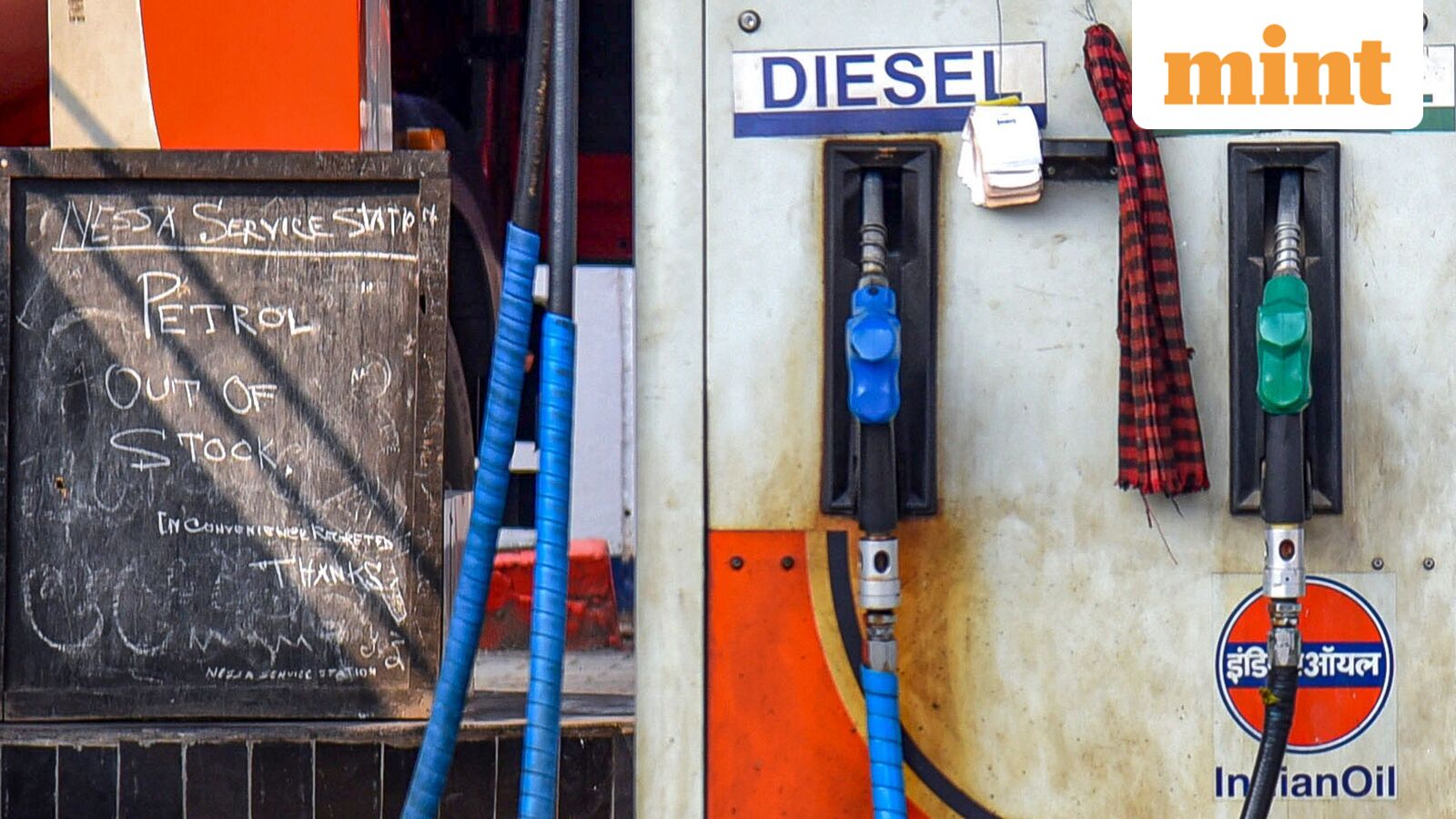
India ends petrol and diesel rationing from July 1 as supply normalizes after the Hormuz crisis. A ₹39/litre retail-bulk price gap leaves IOC, BPCL, HPCL exposed to renewed demand spikes.
India's government will lift all restrictions on petrol and diesel purchases from July 1, ending the emergency rationing imposed after the Strait of Hormuz closure disrupted fuel supplies. The Ministry of Petroleum and Natural Gas said it is "satisfied" with the current supply situation and withdrew the quantity limits that had been in place since June 12.
The caps were an emergency measure after the war in West Asia and the shutdown of the Strait of Hormuz waterway, which threatened crude and product flows. The government invoked a 90-day order under the Motor Spirit and High-Speed Diesel (Temporary Regulation of Supply through Retail Outlets) Order, 2026, to prevent local shortages and curb black marketing.
The immediate trigger was a pricing distortion. Retail diesel in Delhi costs ₹95.20 a litre, while bulk industrial sales are priced at ₹134.50. That ₹39.30 gap – a subsidy to protect retail consumers after the war – pushed bulk buyers such as telecom towers, trucking companies, state road transport buses, and industries using diesel for power generation to fuel up at retail pumps. The result was abnormal demand spikes in some areas. State-owned oil marketing companies – Indian Oil (IOC), Bharat Petroleum (BPCL), Hindustan Petroleum (HPCL) – were losing about ₹36.5 per litre on retail diesel sales and ₹9 on petrol.
The caps redirected bulk buyers to the higher-priced bulk market, relieving pressure on retail pumps. The buyers absorbed the cost. Now the government judges that supply chains are stable enough to let the market operate without quantity controls. Diesel accounts for roughly 39% of India's total petroleum product consumption – 94.7 million tonnes sold in FY26 out of 243.19 million tonnes of total product sales.
For OMCs, the removal removes a regulatory constraint. It also reopens the arbitrage window for bulk buyers. If the retail-to-bulk price gap persists, OMCs could again see an abnormal rise in retail demand, squeezing their already-negative margins. The order itself does not address the price difference. It simply lifts the purchase quantity limits. That leaves OMCs exposed to the same revenue loss that triggered the restrictions in the first place. A pricing adjustment would be needed to close the gap.
For global crude markets, the policy shift is a marginal bearish signal. The reinstatement of normal fuel distribution in the world's third-largest oil consumer removes a potential demand disruption. India's fuel demand had been supported by the subsidy-driven retail boom. With the caps gone, some of that demand may shift back to the higher-priced bulk channel, slightly dampening overall consumption growth. The more important factor is the stability of supply through Hormuz. Oil Near Pre-War Levels, Shipping Risks Remain, Analysts Warn. The shipping channel remains a risk. India's domestic supply picture has improved enough to end the rationing.
The July 1 effective date will show whether the government follows with a correction to the retail-bulk price spread. If the fuel retailers' losses persist and bulk demand surges again, a new round of controls would be possible. For now, the risk of a supply-driven demand shock in India has receded. OMCs carry the uncertainty of an unresolved pricing mismatch.
Prepared with AlphaScala research tooling and grounded in primary market data: live prices, fundamentals, SEC filings, hedge-fund holdings, and insider activity. Each story is checked against AlphaScala publishing rules before release. Educational coverage, not personalized advice.