Brent crude traded at $72.45 a barrel Monday, down from a wartime peak above $188 in late April. The ceasefire between the U.S. and Iran and diplomatic efforts to end the conflict pushed prices back toward levels not seen since before the war.
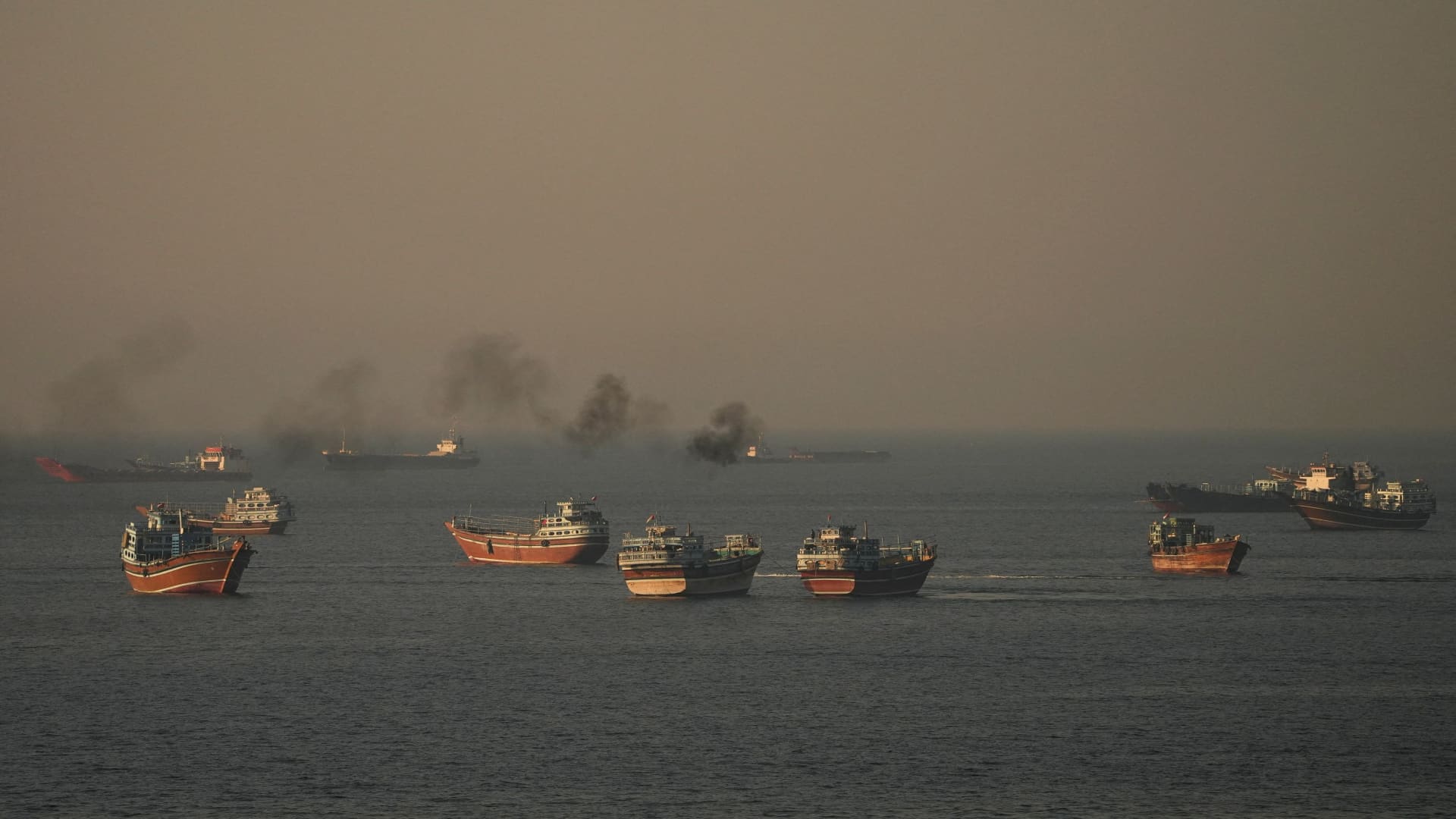
Several commodity strategists warned the market may be pricing in an overly optimistic view of supply. Shipping through the Strait of Hormuz is nowhere close to normal, they said, and the structural constraints could keep oil prices range-bound for months.
Nikos Petrakakos, managing director at Tufton Investment Management, told CNBC that many shipping companies remain wary of sending vessels through the key chokepoint. "Even though there is some more motion going on, in general, we're nowhere near being back to where it was," Petrakakos said.
Amrita Sen, founder and director of research at Energy Aspects, said the bigger challenge is persuading shippers to return. Shipping costs have stayed high, and available vessels are scarce. "Shipping costs are incredibly high right now, and you still can't find enough shippers willing to go back out in there," Sen told CNBC's "Squawk Box."
The Strait of Hormuz Shipping Bottleneck
The war permanently shifted the balance of power in the Strait. Before the conflict, Iran had no real control over traffic through the waterway. Petrakakos said that status quo has changed. "Before this war, Iran really had no power or say over what goes through the Strait of Hormuz. That is a status quo that's changed going forward. I don't see Iran going back to where it was before." He described current arrangements around vessel coordination as largely ad hoc. Most shipping companies avoid direct engagement with Iran because of sanctions risk, he said. Some operators have switched off transponders to obscure vessel locations.
A formal toll system is unlikely, strategists said. Sen argued that an official mechanism would be unacceptable to Gulf Cooperation Council countries and Western companies. The fees issue is tied more to Iran's need to repatriate funds for post-war reconstruction, she said. "Iran is using its leverage aggressively to make the point that they are the ones that will control shipping, especially through that southern lane," Sen said. "Western companies are simply not going to be allowed to pay that toll."
Aldo Spanjer, head of commodity strategy at BNP Paribas Markets 360, agreed that a toll system is about income and could be arranged differently. "My base case, eventually, is that Iran can give up control of Hormuz – in the sense of formal control, the toll system. You can do that in a different way," Spanjer told CNBC's "Squawk Box Europe."
Insurance cover for ships entering the Strait to pick up cargo remains scarce. Petrakakos said insurers will need months of evidence that the ceasefire is holding before lowering premiums. He pointed to the parallel case of Houthi attacks in the Red Sea. "They really will need to see that this is not just an agreement on paper," he added. "They'll need to see that this is being implemented and actually staying together for a while before we see full normalization of traffic and reduction of premiums." Petrakakos also warned against assuming oil and gas vessels get priority through the Strait. Other cargoes, including high-value finished goods on container ships, may be treated as strategically important. Dry bulk vessels carrying lower-value commodities face a different risk calculus because insurance costs represent a smaller share of cargo value.
Inventory Rebuild Caps the Range
For oil markets, the focus has shifted from immediate supply disruption to how quickly depleted inventories can be rebuilt. Every importer is expected to hold higher stocks after the war's drawdown. "The narrative that's come into the market is: 'How are we going to backfill all the stocks we've taken out?'" Spanjer said. "Every importer in the world is going to build higher stocks."
Spanjer's year-end Brent target stands at $80. He argued that additional supply from resumed flows can be absorbed by inventory demand. "If this MoU stays, and we get more flows into the market, I think we rebound a little bit, because there's enough absorption capacity for the barrels," he said. That implies a relatively range-bound market.
Looking to 2027, Spanjer sees a $75 to $85 range. Once inventories are rebuilt, upside becomes limited and the market could return to a more backwardated structure, with spot prices below forward contracts. "I can't be above $85 because who's going to fill stocks above $85?" he said. "I don't really want to be below $75 because there's still a lot of opportunistic buying in the market."
For more on the broader commodities analysis and the crude oil profile, the supply risk premium has compressed but not disappeared. The Strait of Hormuz will remain a chokepoint subject to Iranian leverage for the foreseeable future. Insurance and shipping bottlenecks will take months to resolve. Those structural constraints, combined with inventory rebuilding demand, suggest Brent is unlikely to make a decisive break below $75 or above $85 in the near term.