Commodities● Neutral
India Fuel Prices Rise Third Time in May; Refiners Still Bleeding
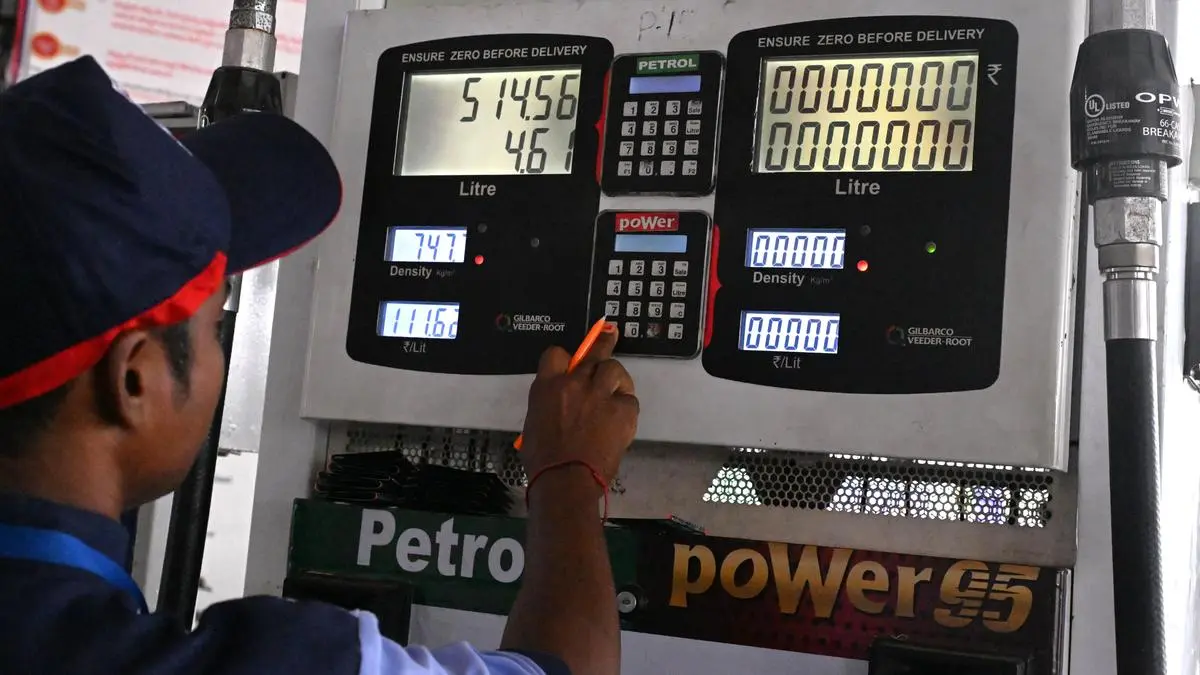
Petrol and diesel prices in India rose for the third time in May. Despite the hikes, BPCL chairman says the refiner still loses ₹25–30 per litre on diesel. More increases likely.
Continue with
Indian state-owned fuel retailers raised petrol and diesel prices for the third time this month, dealers confirmed on Saturday. The latest increase brings the cumulative rise to roughly ₹5 per litre since the first hike on May 15, which was India's first retail fuel price adjustment in four years.
Petrol in New Delhi now costs ₹99.51 per litre, up ₹0.87, while diesel rose ₹0.91 to ₹92.49 per litre. The three hikes follow a surge in global crude oil prices after the U.S.-Israeli war on Iran, a conflict that has reshaped supply expectations for the world's third-largest oil importer.
Third Hike in May: Refiners Still ₹25–30 Underwater on Diesel
The simple read is that Indian refiners are passing on higher crude costs to consumers. The better read is that even after three increases, the losses at the pump remain severe.
Bharat Petroleum (BPCL) chairman disclosed earlier this week that the refiner continues to incur a revenue loss of ₹25 to ₹30 per litre on diesel and ₹10 to ₹14 per litre on petrol despite the higher prices. That gap means the current hikes are nowhere near enough to restore margins.
Indian Oil Corp and Hindustan Petroleum control more than 90% of India's 103,000 fuel stations alongside BPCL. The three tend to set prices in tandem, so the loss profile is industry-wide.
The Cost Recovery Mechanism
India was one of the last major economies to raise retail fuel prices after the Iran conflict triggered a global crude spike. The government-owned refiners absorbed losses for weeks, partly to avoid stoking inflation before recent state elections.
The staggered approach mirrors the strategy used in April 2022, when companies raised prices after elections in key states including Uttar Pradesh. The pattern suggests political timing is embedded in the pricing cycle, not just crude cost pass-through.
Why Staggered Hikes Mirror April 2022
Opposition parties have accused Prime Minister Narendra Modi's government of delaying the price increases to win votes in recent state elections. The refiners' staggered rollout supports that interpretation: small, frequent hikes are less jarring to consumers than a single large jump.
Still, sources at refiners have said more price increases are needed to recoup the losses. The oil ministry has stated it has no plans to provide financial support for refiners, leaving the companies to manage the gap through pump pricing alone.