Commodities● Neutral
Third May Fuel Hike Hits Indian Metros as Crude Spreads Widen
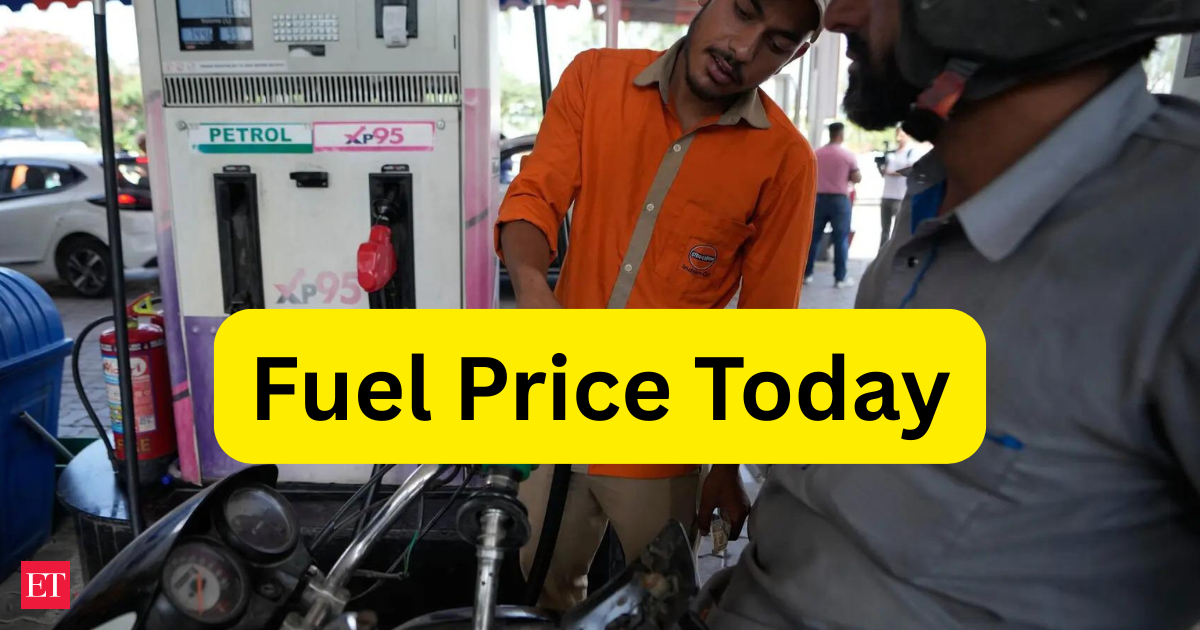
Third May hike raises petrol ₹0.87, diesel ₹0.91 per litre in Indian metros. Under-recoveries persist as Middle East supply risks keep crude elevated. Fourth hike possible before June 1.
Continue with
India's state-owned fuel retailers raised petrol by ₹0.87 per litre and diesel by ₹0.91 per litre on May 23, 2026. The adjustment marks the third fuel price increase in May, pushing Delhi petrol to ₹99.51 and diesel to ₹92.49. Mumbai petrol now sits at ₹108.49, while Kolkata reports petrol at ₹110.64 and diesel at ₹97.02.
The repeated hikes point to a structural imbalance: refiners are selling below import-parity cost. Under-recoveries – the gap between market price and actual cost – widen each time global crude benchmarks climb. Current Middle East tensions have added a risk premium to Brent and Dubai crude. India imports roughly 85% of its oil. Every USD move in the Dubai benchmark shifts landed cargo costs by about ₹2–3 per litre after processing. The government is now allowing refiners to pass through those costs in real time rather than deferring them.
The Crude Supply Gap Forcing Retail Adjustments
The proximate driver is crude supply risk from the Middle East. Geopolitical friction has reduced the spare capacity cushion that typically caps price spikes. Indian refiners – Indian Oil Corporation, Bharat Petroleum, and Hindustan Petroleum – cannot absorb the higher cost without state support. The third May hike signals that New Delhi is prioritising refiner margins over price stability. That marks a shift from earlier practice, where price freezes were common during political cycles.
The trigger for the latest hike is the daily crude price settlement. Brent crude remains elevated, and the refining margin – the spread between crude input and product output – stays compressed. The simple read is that consumers pay more. The better market read examines the free-cash-flow of state refiners. If the third hike still leaves diesel below import parity, the next crude up-move will force a fourth adjustment within two weeks. Confirmation of this setup would come if Brent holds above USD 85 per barrel and the Petroleum Planning & Analysis Cell reports under-recoveries above ₹3 per litre.