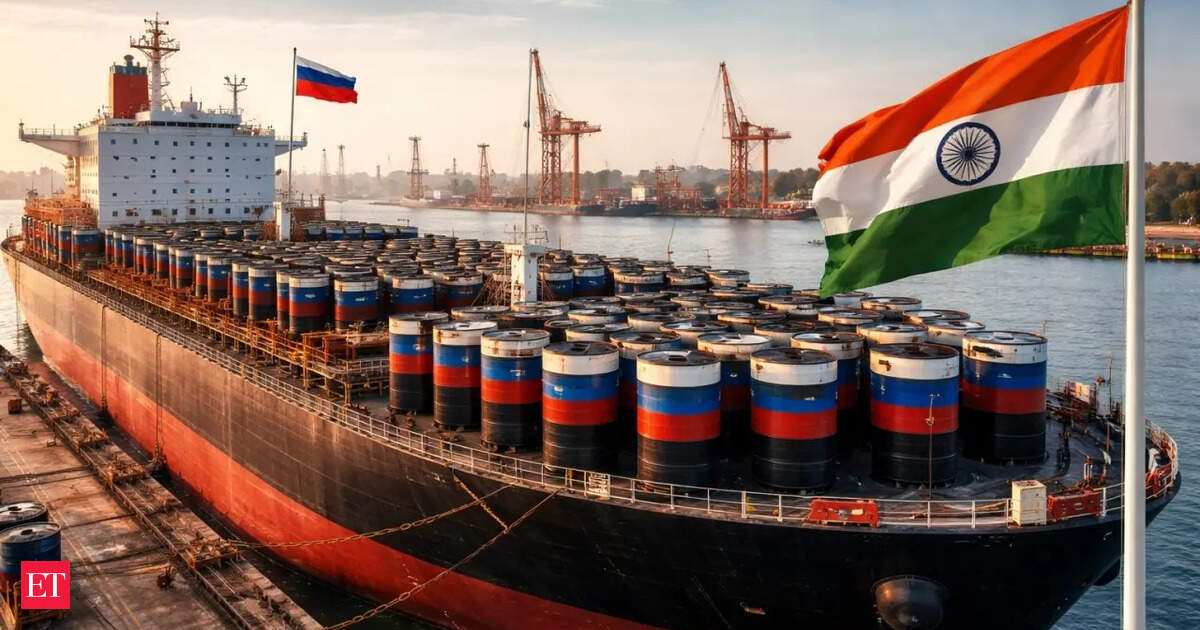
Import Volumes Contract as Russia Maintains Lead
India’s crude oil imports saw a 21% decline in April, reflecting a cooling in demand from the world’s third-largest oil consumer. Despite the broad contraction in inbound shipments, Russia remains the primary supplier, cementing its position as the dominant source for Indian refiners. This shift in procurement, largely driven by price-sensitive purchasing strategies, continues to reshape global energy flows.
While the total volume of imports dropped, the market saw a notable return of Iranian supply. India imported approximately 4 million barrels from Iran in April, marking the first time the country has received shipments from the Islamic Republic in seven years. This resumption accounts for roughly 7% of total imports, providing a brief diversification of the energy basket for Indian state-run refiners.
Geopolitical Constraints and Supply Risks
The viability of this Iranian supply line remains under intense pressure. The current U.S. naval blockade targeting Iranian ports presents a structural barrier that could nullify any near-term gains in volume. Traders evaluating the crude oil profile should expect this blockade to act as a significant bottleneck, potentially forcing Indian importers to revert to alternative suppliers if the enforcement of maritime restrictions intensifies.
"A US naval blockade of Iranian ports, currently underway, could constrain further supplies this month."
Market Implications for Energy Traders
For those monitoring the commodities analysis desk, the decline in Indian demand is a key indicator of broader refining margins. A 21% drop in imports often precedes a buildup in domestic inventory, which can pressure local retail pricing and dampen demand for future spot market cargoes.
- Supply Chain Risk: The U.S. naval activity effectively creates a risk premium on any tankers originating from Iranian terminals, pushing insurance premiums higher for regional transit.
- Refining Strategy: Indian refiners have demonstrated a preference for discounted barrels, yet they remain tethered to the reality of U.S. sanctions enforcement.
- Correlated Assets: Watch the spread between Russian Urals and Brent closely; if India struggles to source enough non-sanctioned supply, the bid for alternative crudes will likely tighten the global spread.
What to Watch
Traders should monitor the duration of the naval blockade, as any escalation in enforcement will likely lead to a swift exit of Iranian volumes from the market. Keep an eye on weekly tanker tracking data, as a sustained absence of Iranian shipments would force India to lean harder on Russian and Middle Eastern producers to fill the gap. If regional tensions persist, expect volatility in crude oil profile to remain elevated as the market prices in the potential for a tighter supply-demand balance throughout the summer months. The reliance on discounted barrels from sanctioned jurisdictions remains a delicate balancing act for New Delhi, and any disruption to this flow will have immediate consequences for global energy pricing.