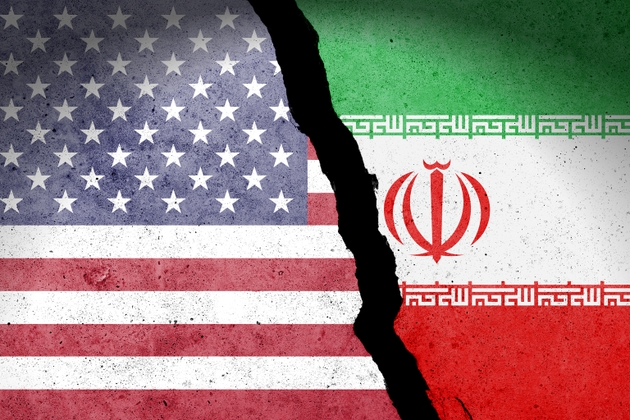
Geopolitical Risk Premium Holds as U.S.-Iran Peace Talks Signal Six-Month Timeline

Diplomatic efforts to reach a U.S.-Iran peace agreement face a projected six-month timeline, keeping energy markets sensitive to regional supply disruptions.
Gulf Arab and European officials estimate that a formal U.S.-Iran peace deal requires at least six months to finalize. This timeline suggests that current geopolitical friction in the Middle East will remain a persistent variable for energy traders throughout the coming quarters.
Energy Market Sensitivity
The potential for a de-escalation in tensions carries immediate implications for CL (WTI Crude) and global supply chains. While diplomatic progress often acts as a price suppressant, the extended duration of these negotiations means the market cannot yet price in a full return of Iranian barrels to international markets. Traders monitoring the crude oil profile are effectively pricing in a 'wait-and-see' approach rather than a definitive supply glut.
Any sudden shift in rhetoric or enforcement, such as those discussed in recent U.S. Maritime Enforcement Expansion reports, creates localized volatility. Until a signed agreement materializes, the market remains susceptible to supply-side shocks emanating from the Strait of Hormuz.
Tactical Considerations
For participants tracking the commodities analysis desk, the six-month window serves as a primary reference point for forward curve positioning. Institutional desks are likely to maintain a defensive posture, avoiding aggressive short positions that would be vulnerable to sudden escalations in the region.
- Supply Uncertainty: The lack of immediate resolution keeps the risk premium embedded in oil futures.
- Diplomatic Lag: Six months is an eternity in trading terms, allowing for multiple rounds of geopolitical posturing that can swing daily sentiment.
- Enforcement Risks: Continued U.S. pressure on Iranian shipping keeps a floor under prices despite potential peace talks.
"The timeline reflects the complexity of the underlying grievances, which are not limited to nuclear enrichment but extend to regional proxy influence and sanctions relief," noted one regional analyst familiar with the discussions.
What to Watch
Traders should focus on secondary indicators of progress rather than headlines alone. Key monitorables include:
- Tanker Tracking Data: Shifts in Iranian export volumes remain the most reliable indicator of actual, rather than stated, policy changes.
- Sanctions Enforcement: Any divergence between U.S. rhetoric on peace and continued seizure of shipments serves as a tell for the true state of negotiations.
- Regional Proxy Activity: The intensity of conflict in neighboring territories often correlates with the speed of back-channel diplomatic progress.
As the market digests this six-month outlook, expect price action to remain range-bound, dictated by the tug-of-war between fundamental supply data and the lingering fear of regional supply disruption. The risk of a breakout remains skewed to the upside should diplomacy stall.
AI-drafted from named primary sources (exchange feeds, SEC filings, named news wires) and reviewed against AlphaScala editorial standards. Every price, earnings figure, and quote traces to a specific source.