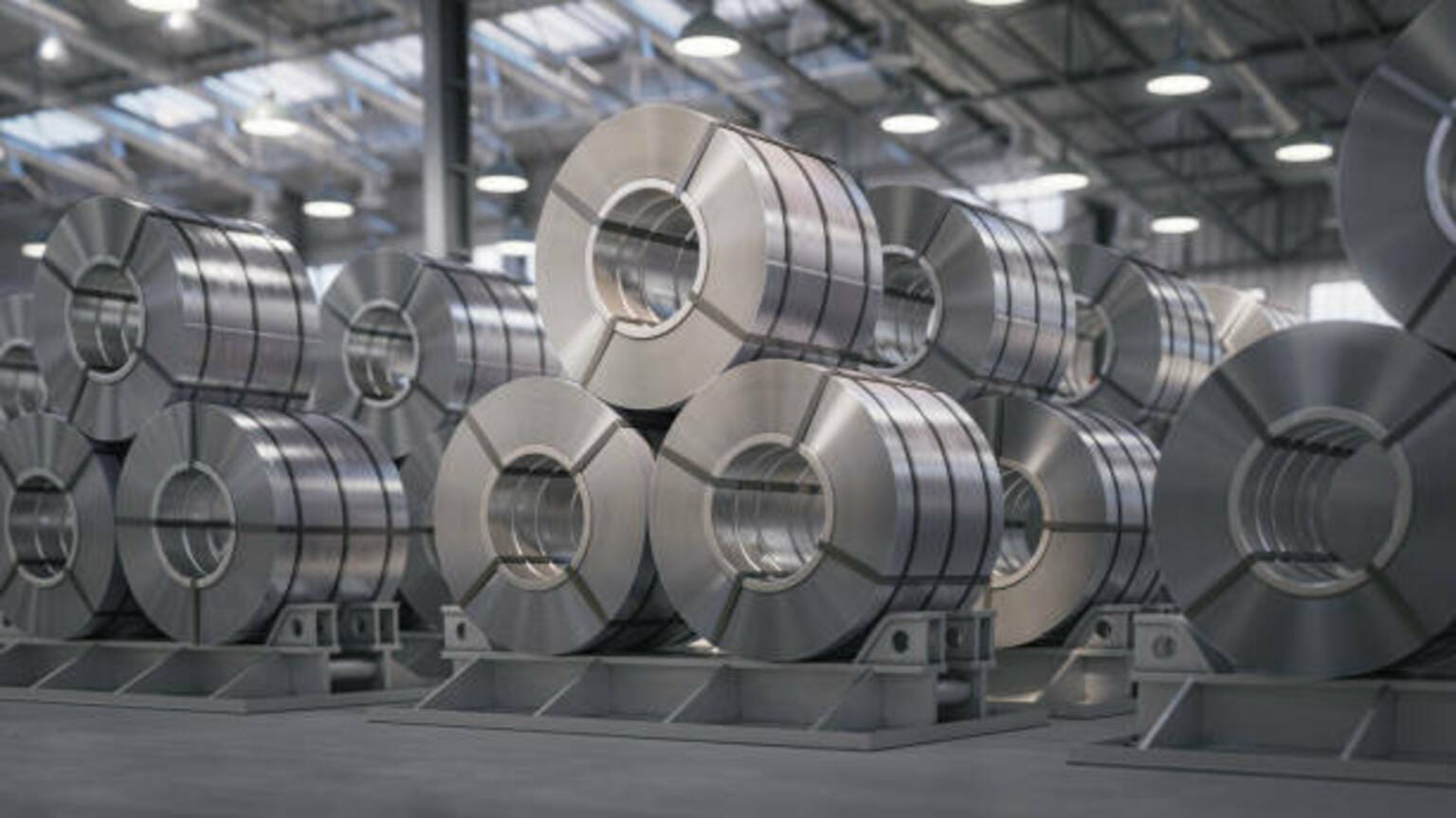
Aluminum prices are surging as the market shifts into a structural deficit, driven by intensifying geopolitical conflict in the Middle East. The disruption to supply chains and regional production facilities has tightened availability, forcing buyers to secure metal at higher premiums.
Supply Constraints and Market Impact
The move into a deficit reflects the vulnerability of global smelting operations to regional instability. Aluminum production requires consistent energy inputs and reliable logistics, both of which are currently compromised in the primary production hubs of the Middle East. Traders are now pricing in the probability that these supply gaps will persist through the coming quarters, as regional tensions show few signs of cooling.
This tightening arrives at a time when industrial demand remains sticky. While some sectors have throttled back, the baseline consumption for aluminum in construction and automotive manufacturing continues to draw down global stockpiles. When supply shocks hit a market already operating near capacity, the price reaction tends to be non-linear.
Trading Implications and Sector Rotation
For market participants, this deficit changes the calculus for industrial metal exposure. Traders should monitor the following factors:
- Basis Spread Widening: Watch for backwardation in the forward curve as physical availability becomes the primary price driver rather than speculative sentiment.
- Energy-to-Metal Correlation: Aluminum is effectively traded as a proxy for power prices. If regional energy costs spike, expect further upward pressure on the metal regardless of base demand.
- Proxy Exposure: Investors often rotate into miners like Alcoa (AA) or Rio Tinto (RIO) to capture price upside, though these firms carry their own operational risks in the current environment.
"The aluminum market has moved into a significant deficit following further escalation in the Middle East."
What to Watch
Traders tracking this shift should watch the LME warehouse inventory levels for signs of restocking or continued drawdowns. If stockpiles fail to recover during the next reporting cycle, the structural deficit will likely deepen, providing a floor for prices. Furthermore, watch for potential spillover into broader commodities analysis, as the energy-intensive nature of aluminum production ties it closely to the volatility seen in crude oil profile markets.
Watch for a breach of current resistance levels on the LMAHDS03 contract. If supply logistics continue to degrade, a move toward multi-month highs is the base case for the next quarter. The market is no longer pricing for equilibrium; it is pricing for scarcity.