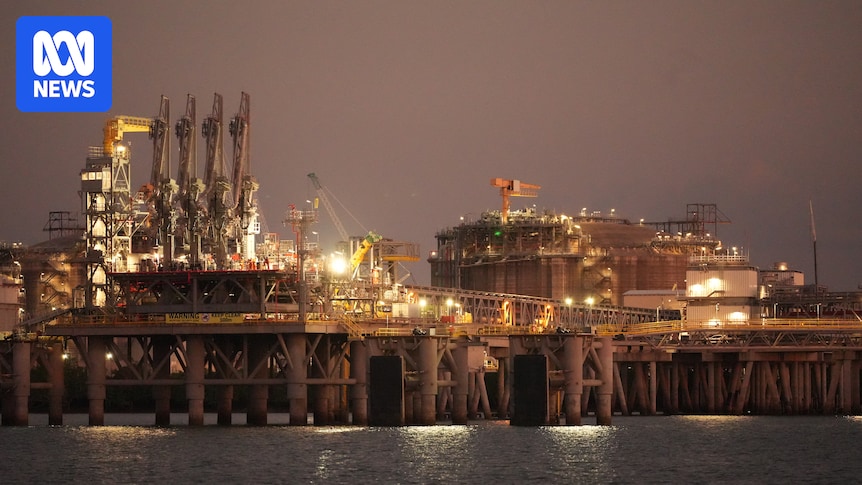
Strike at Inpex's Ichthys LNG plant escalates as pay talks stall. Union demands 3% raises could push average salary above $500k, risking output disruptions. Further walkouts Tuesday.
Alpha Score of 66 reflects moderate overall profile with moderate momentum, moderate value, strong quality, moderate sentiment.
Workers at Inpex's Ichthys liquefied natural gas (LNG) plant walked off the job Monday morning after negotiations on pay and conditions stalled. The Offshore Alliance, a coalition of the Australian Workers' Union and the Maritime Union of Australia, is demanding 3% annual wage increases. Industry group AREEA said the demands would raise labour costs by 50% to 60% and push the average Inpex employee salary above $500,000 a year.
Ichthys processes gas from fields off Western Australia and ships LNG from Darwin to Asian buyers, primarily in Japan. Inpex is Japan's largest oil and gas explorer. A sustained strike risks reducing LNG output at a time when Asian spot prices are sensitive to supply disruptions. Past labor disputes at Australian LNG terminals have caused spot price swings in Asian gas markets, and this strike carries the same potential for pricing volatility.
The simple read is direct: workers walk out, output falls, prices trend higher. The better read goes deeper. The wage demands signal a structural cost problem for Australian LNG. If Inpex were to concede terms pushing average pay beyond $500,000, the project's cost base jumps by 50-60%. That reduces margins on every cargo and could make Ichthys less competitive against new supply from Qatar or North America. Investors tracking Inpex's upstream margins must factor in higher labour costs, not just production volume. A protected industrial action escalation at all three Ichthys facilities means any output decline will come from multiple points simultaneously, compounding the supply risk.
Industrial action began with a work stoppage Monday morning. The Offshore Alliance said it will escalate with a two-hour stoppage Tuesday evening and impose work bans across all three Inpex facilities at Ichthys. The union declared it will keep increasing protected industrial action until Inpex meets its claims. Inpex has not yet responded publicly. The next decision point is Tuesday's stoppage and any sign of resumed talks. If further walkouts are announced into Wednesday, the risk of a prolonged strike rises. Inpex could also seek arbitration or court orders to limit strike duration, as has occurred in other Australian resource disputes.
Japanese utilities are the main end-buyers of Ichthys LNG. Any reduction in shipments may force tighter spot market buying. The Australia–Japan gas spread – the discount of local gas versus export prices – could widen if Ichthys flaring or venting increases during shutdowns. Beyond Inpex, the dispute adds to a series of wage pressures in the Australian resources sector. If other operators face similar demands, the combined effect would be a rise in the cost base across the industry, hitting project returns and deterring new investment.
What lowers the risk: If Inpex and the Offshore Alliance resume negotiations this week and narrow the gap on wages and conditions, a quick resolution within days would limit output loss. Inpex could also propose non-wage concessions to avoid the headline salary figure, defusing near-term strike activity.
What makes it worse: If the Tuesday stoppage extends into an indefinite strike or the union blocks key processing equipment, supply risk compounds. Contagion to other Ichthys contractors or neighbouring LNG plants would amplify the impact. Inpex's refusal to budge makes escalation the likely path.
Traders tracking Asian LNG spot prices and the Australia–Japan arbitrage should treat Tuesday evening's stoppage as the first real test of strike duration. A quick deal would likely push spot prices lower; a missed deadline raises the odds of a tighter market. For broader market context, see our stock market analysis.
Prepared with AlphaScala research tooling and grounded in primary market data: live prices, fundamentals, SEC filings, hedge-fund holdings, and insider activity. Each story is checked against AlphaScala publishing rules before release. Educational coverage, not personalized advice.