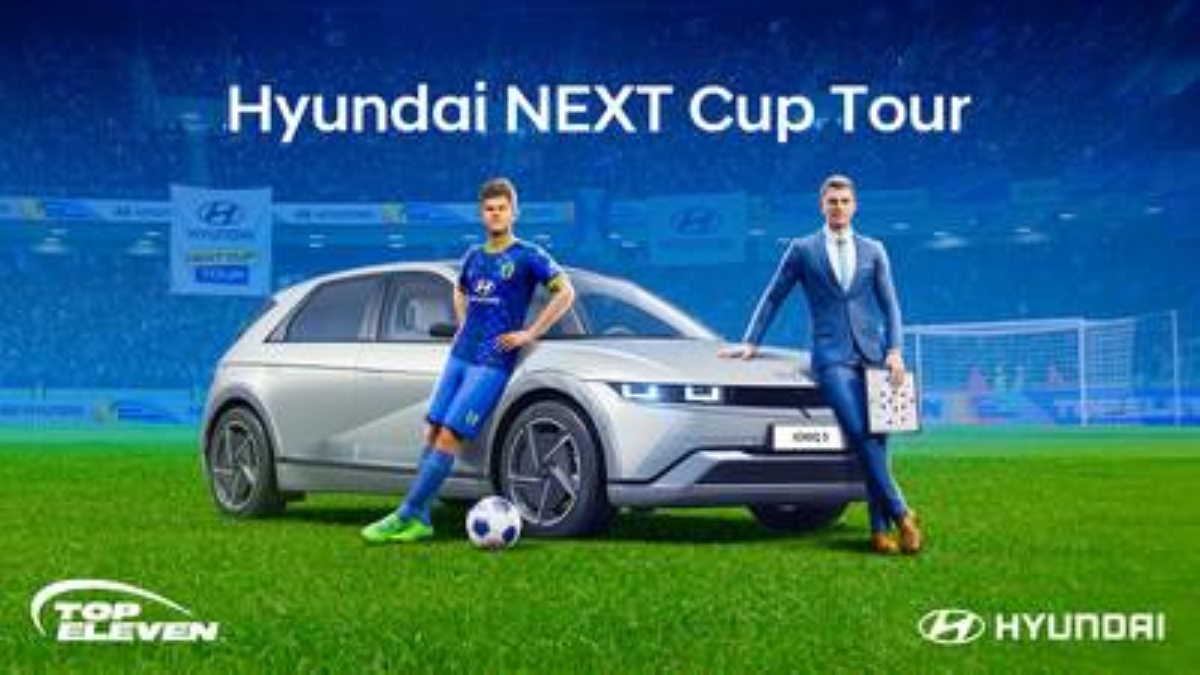
Hyundai Motor Company has launched the Hyundai NEXT Cup Tour, a virtual, in-game event hosted within the mobile football management title Top Eleven: Be a Football Manager. This initiative marks a strategic shift for the automaker, moving its long-standing football marketing presence away from traditional stadium sponsorships and into the digital-native ecosystem. By integrating its vehicle models as functional assets within a tactical management game, the company is attempting to capture the attention of Gen Z and Gen Alpha demographics who prioritize interactive digital experiences over passive viewing.
Strategic Repositioning in Digital Gaming
The move represents a departure from Hyundai’s historical reliance on racing games to showcase its automotive portfolio. By selecting a management simulation platform, the company is aligning its brand with a different segment of the sports gaming market. The 10-nation virtual tour utilizes in-game mechanics that reinterpret specific vehicle features as tactical football skills. This integration suggests that Hyundai is prioritizing brand recall through utility rather than simple product placement. The success of this transition will depend on whether the company can maintain engagement across a diverse, global user base that is accustomed to high levels of interactivity.
Sector Read-Through for Automotive Marketing
The automotive sector is increasingly grappling with the challenge of reaching younger consumers who are less likely to engage with traditional media or physical showrooms. Hyundai’s pivot toward tactical management gaming provides a blueprint for how legacy manufacturers might maintain relevance in a digital-first economy. This strategy mirrors broader trends in the consumer discretionary space, where companies are shifting budgets toward platforms that offer measurable user interaction. For investors, the effectiveness of this campaign serves as a proxy for the company's ability to modernize its brand identity without the heavy capital expenditure associated with traditional sports broadcasting.
AlphaScala data reflects a mixed outlook for major automotive players, with Ford currently holding an Alpha Score of 53/100, as seen on the F stock page. While Hyundai is not directly represented in this specific data set, the broader industry trend toward digital-native engagement remains a critical factor for long-term brand equity. The shift toward virtual, skill-based integration in gaming platforms suggests that automotive marketing is becoming increasingly tied to the software and engagement capabilities of the platforms themselves.
The Next Marker for Brand Engagement
The immediate follow-up to this initiative will be the conversion metrics reported from the 10-nation virtual tour. The company will likely evaluate the campaign based on user retention rates within the Top Eleven platform and the subsequent impact on brand sentiment among younger demographics. Future developments will hinge on whether this partnership leads to a broader expansion into other digital management genres or if it remains a localized experiment. Investors should monitor subsequent quarterly reports for mentions of digital marketing efficiency and any shifts in customer acquisition costs related to these non-traditional channels. As the automotive industry continues to face credit spreads that overtake policy rates as a primary constraint, the ability to drive brand value through lower-cost digital partnerships will become an increasingly important metric for operational success.