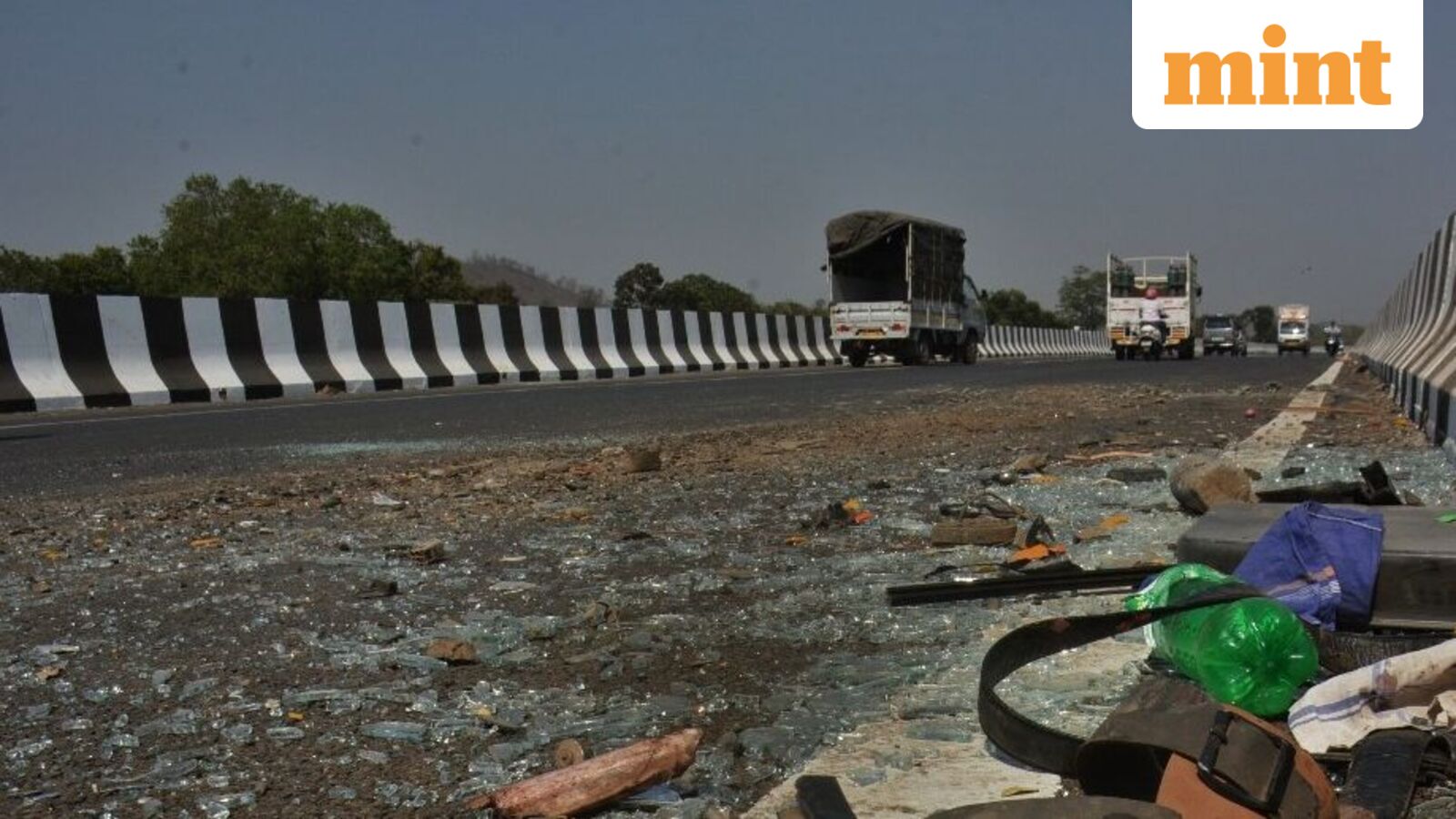
A fatal multi-vehicle collision in Mirzapur, Uttar Pradesh, has brought renewed focus to the operational risks inherent in regional logistics and heavy-vehicle transit. The incident occurred when a truck, reportedly suffering from a mechanical brake failure while traveling downhill, struck a vehicle ahead of it. This initial impact crushed a car positioned between two trucks, triggering a chain reaction that involved additional vehicles and resulted in a fire. The scale of the accident highlights the vulnerability of passenger transit when integrated with heavy-freight corridors that lack sufficient safety buffers or modern mechanical oversight.
Mechanical Failure and Regional Logistics Exposure
The reliance on aging heavy-vehicle fleets for regional supply chain movement remains a persistent variable in local economic stability. When mechanical failures lead to high-fatality events, the immediate impact is felt in local traffic management and the temporary suspension of transit routes. For industries operating within the region, such incidents underscore the necessity of rigorous fleet maintenance standards to avoid the operational disruptions that follow major road closures. The chain reaction nature of this event demonstrates how quickly a single point of failure within a logistics network can escalate into a broader infrastructure crisis.
Infrastructure Resilience and Regulatory Oversight
Beyond the immediate tragedy, the event raises questions regarding the safety of downhill transit corridors and the enforcement of vehicle fitness standards. As regional policy evolves to meet the demands of growing industrial output, the pressure on existing road infrastructure increases. The incident serves as a reminder that the physical movement of goods is inextricably linked to the quality of the underlying transport network. Future policy discussions in the region will likely prioritize the modernization of heavy-vehicle inspection protocols to mitigate the risks posed by mechanical degradation.
AlphaScala data currently tracks Agilent Technologies, Inc. (A stock page) with an Alpha Score of 55/100, reflecting a moderate outlook within the broader healthcare sector. While this specific accident is localized, it serves as a broader reminder of the operational risks that can impact regional supply chains and infrastructure-dependent sectors. Investors monitoring stock market analysis should consider how regional infrastructure stability influences the long-term efficiency of logistics-heavy industries.
The Path to Regulatory Adjustment
The next concrete marker for this issue will be the release of the formal accident investigation report by local authorities. This report is expected to detail the specific mechanical cause of the brake failure and determine whether the incident necessitates a broader review of heavy-vehicle safety mandates in Uttar Pradesh. Any subsequent legislative shift toward stricter vehicle fitness testing or infrastructure upgrades will serve as the primary indicator for how the region plans to address these systemic logistics risks moving forward.