Stocks● Neutral
Humana, UnitedHealth shed Medicare Advantage plans as margins tighten
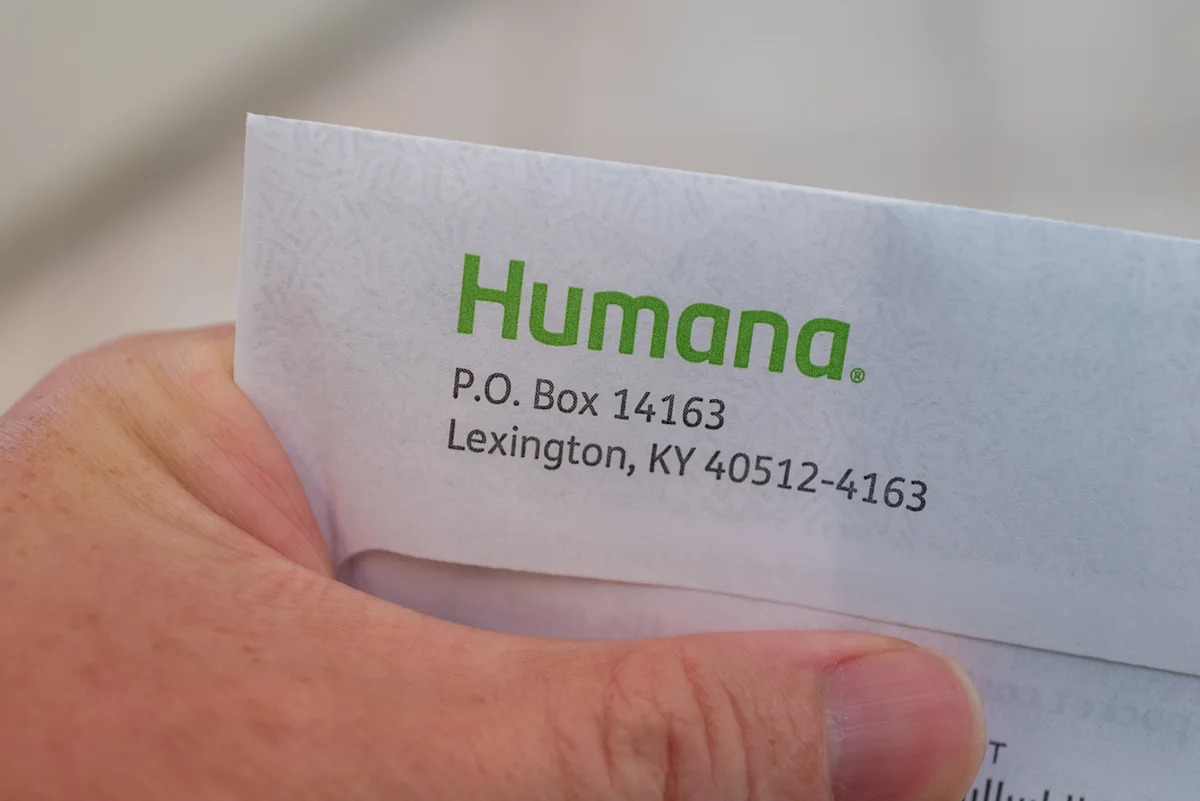
Humana and UnitedHealthcare are cutting Medicare Advantage plans to shore up margins. Open enrollment starts Oct. 15.
Continue with
AlphaScala Research Snapshot
Humana and UnitedHealthcare are cutting Medicare Advantage plans to shore up margins. Open enrollment starts Oct. 15.
Humana (HUM) is pulling out of more Medicare Advantage plans, forcing about half a million seniors to find new coverage next year. The decision follows a similar round of exits last year that affected 194 counties in three states.
CFO Celeste Mellet told analysts the company's priority is getting back to a sustainable margin of at least 3% by 2028. The plan cuts are part of that push. "Expected margin expansion in 2027 will benefit from our ongoing benefit adjustments and targeted plan exits," she said on a recent earnings call.
UnitedHealthcare (UNH) also trimmed plans serving more than 600,000 members this year. The two companies together account for nearly half of all Medicare Advantage enrollees nationwide, according to KFF research.
Neither insurer is exiting the business. They are dropping plans that drag on profitability. The strategy reflects a broader trend: as enrollment in Medicare Advantage has surged to 35 million people – about 55% of eligible beneficiaries – the cost of covering those members has climbed faster than insurers expected. Utilization of medical services has risen, and the overall price of healthcare keeps going up.
David Lipschutz, associate director of the nonprofit Center for Medicare Advocacy, told Yahoo Finance that the annual churn amounts to "business decisions that are more attuned to the needs of shareholders than plan enrollees, leaving individuals scrambling to figure out their coverage."
Plan payments from the federal government have increased substantially. In 2026, insurers receive an additional $2,664 per enrollee above estimated costs of Medicare-covered services, according to the Medicare Payment Advisory Commission. That rebate has more than doubled since 2018. Yet the margin pressure persists, especially in markets where medical costs outpace the benchmark.
Humana's Alpha Score stands at 52 out of 100, a Mixed rating. UnitedHealth Group's Alpha Score is 45, also Mixed. Both stocks sit in the Healthcare sector, with more information available on their HUM stock page and UNH stock page.
Open enrollment for Medicare Advantage runs from Oct. 15 to Dec. 7. Most seniors affected by the plan exits will still have options, said Jeannie Fuglesten Biniek, deputy director for the Program on Medicare Policy at KFF. "The vast majority of people still have a number of Medicare Advantage options to choose from," she said. But she cautioned that benefits – including prescription drug coverage, vision, and dental – can change year to year, as can prior authorization requirements.
Traditional Medicare requires prior authorization for only a few services. Medicare Advantage plans, by contrast, demand it for almost all higher-cost services such as inpatient hospital stays and skilled nursing facility care. That difference can become a point of friction for members who switch plans or providers.
For investors, the question is whether the plan cuts are enough to restore Humana's margin trajectory. The company set a 2028 target of at least 3%, and Mellet said the exits are a key lever. If medical cost trends moderate, the remaining book of business could deliver better returns. If utilization keeps rising, more cuts may follow.
UnitedHealth Group, with a larger and more diversified business, has more room to absorb losses in underperforming markets. But its decision to shed 600,000 members signals that even the largest player is unwilling to subsidize unprofitable coverage indefinitely.
The next earnings reports, due in October, will show how much the first round of exits has improved the medical loss ratio for both companies. Analysts will be watching for any sign that the remaining plan members are healthier or generate lower claims costs.
Drafted by a large language model from the source reporting linked above, then screened by automated publishing checks. It is not read by a journalist before publication. Some articles cite our Alpha Score. Verify prices and figures against the original source. Educational coverage, not personalized advice.