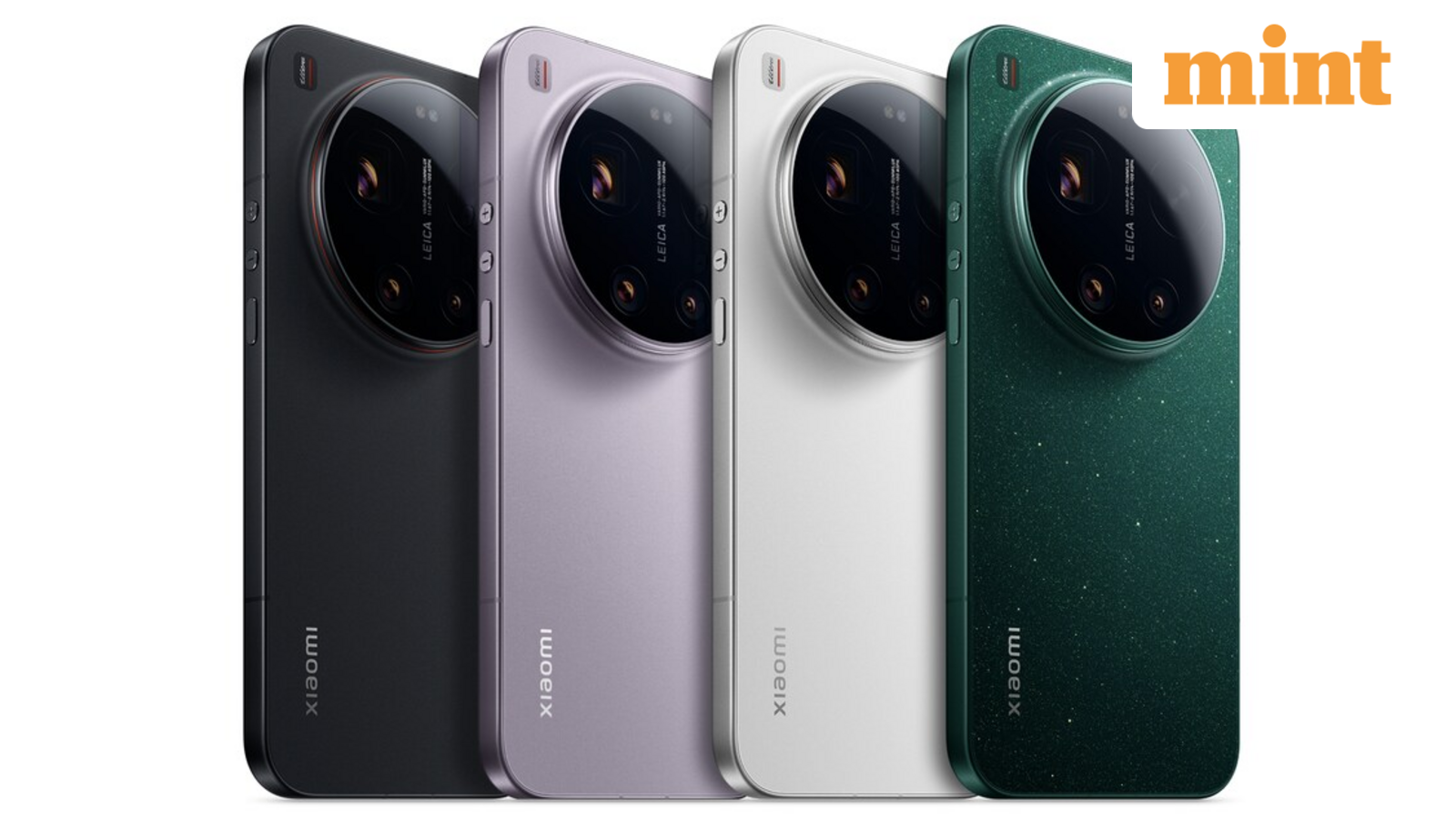
Xiaomi’s precipitous decline in the Indian smartphone market serves as a masterclass in the risks of brand stagnation and over-reliance on online-only distribution. Once the undisputed leader of the world’s most populous nation, Xiaomi has fallen out of the top five smartphone brands in India as of 2025. The company’s share of the Indian market has contracted to 9%, a stark reversal from its peak in 2021 when it commanded a quarter of all shipments.
The Financial Erosion of a Market Leader
The scale of the decline is best captured by the company’s own financial filings. In FY22, Xiaomi India reported revenue of ₹39,099 crore and a net profit of ₹1,058 crore. By FY25, those figures had collapsed to ₹23,977 crore and ₹262.5 crore, respectively. This ₹15,000-crore revenue wipeout represents more than just a loss of volume; it signifies a structural failure to capture value in a market that has aggressively pivoted toward premium devices. While Xiaomi’s global revenue grew to ₹6.37 trillion by FY25, its Indian operations now contribute only 3.8% of that total, down from 10.2% in FY22.
Failure to Pivot to Premiumization
Market analysts point to a fundamental disconnect between Xiaomi’s product strategy and the evolving preferences of the Indian consumer. As buyers lengthened their upgrade cycles and utilized easy financing to access higher-end hardware, Xiaomi remained tethered to its budget-centric identity. While the company attempted to introduce Ultra-series flagships, these devices failed to gain traction against the established prestige of Apple (AAPL) profile and Samsung.
Competitors like Vivo and Oppo successfully executed a different playbook. By prioritizing brick-and-mortar retail networks early, they secured the physical presence necessary to sell premium devices. Data indicates that nearly 70% of Oppo’s sales originate from physical retail stores, a stark contrast to Xiaomi’s long-standing dependence on online channels. This offline-first strategy allowed rivals to build brand stickiness, a moat that Xiaomi failed to construct.
Structural and Regulatory Headwinds
Beyond product positioning, the company faced a series of compounding operational challenges. The April 2022 Enforcement Directorate crackdown created a lingering negative perception that hindered brand recovery. This was exacerbated by significant leadership turnover, including the exits of India chiefs Manu Jain in 2023 and Muralikrishnan Balakrishnan in 2024.
Manufacturing strategy also played a role in the divergence between Xiaomi and its peers. While Xiaomi initiated localization, it lacked the depth of integration seen in competitors like Vivo, which cultivated tight-knit relationships with contract manufacturers such as Dixon Technologies. Consequently, Xiaomi’s India margins have remained razor-thin, often hovering near 1%, leaving little room for the reinvestment required to pivot its ecosystem strategy.
The New Competitive Landscape
In 2025, the Indian market saw 152 million new smartphone sales. The vacuum left by Xiaomi was filled primarily by BBK Electronics-owned brands and Apple. Vivo emerged as the market leader with 29.5 million shipments, while Oppo followed with 20.2 million. Apple’s growth was particularly notable, with shipments climbing from 4.5 million in 2021 to 14.5 million in 2025.
For investors assessing the sector, the shift in market share highlights a transition from volume-led expansion to value-driven competition. Xiaomi’s recent appointment of Lenovo veteran Sudhin Mathur as chief operating officer suggests an attempt to reset this strategy. However, the company faces a difficult path to reclaiming its former dominance. The firm has signaled a pivot toward a broader technology ecosystem, including tablets and audio products, in an attempt to move away from the hyper-competitive, low-margin smartphone volume game. Whether this transition can restore the profitability levels seen in FY22 remains the primary question for the company’s long-term sustainability in the region.