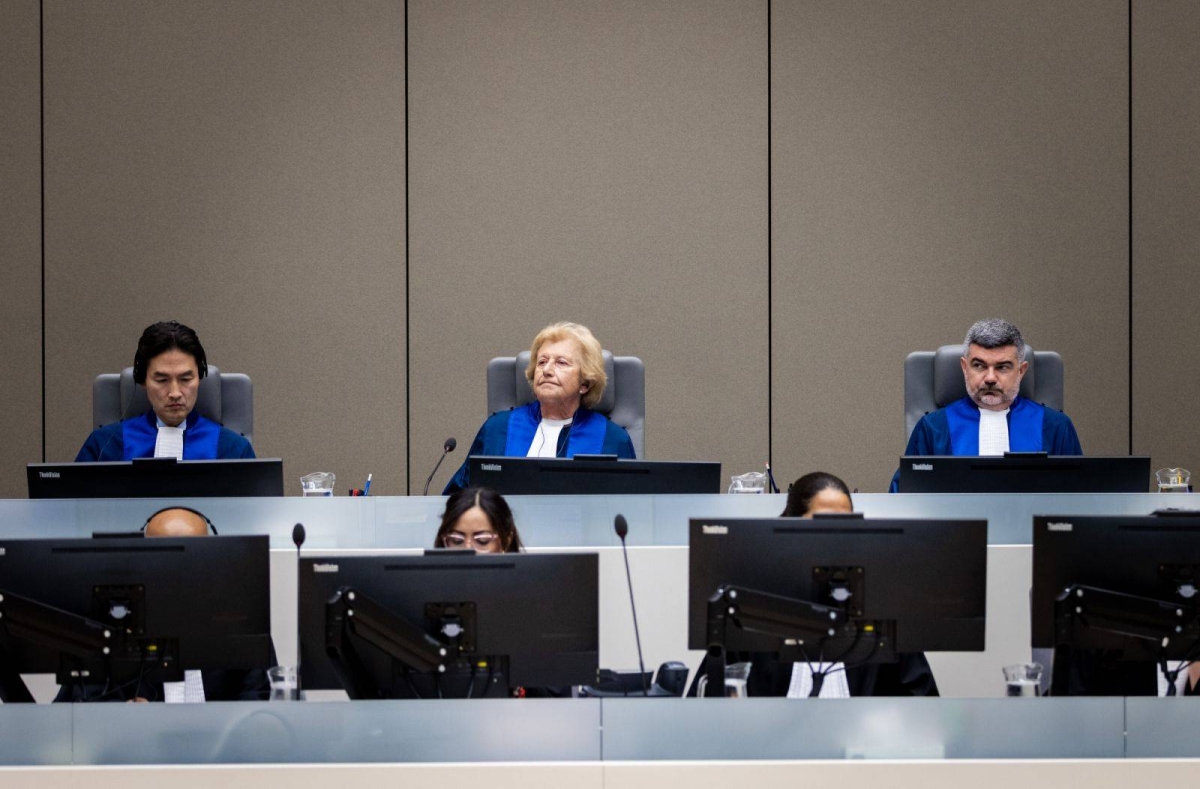
The International Criminal Court set June 23 and July 14 as the next status conference dates for the case against former Philippine president Rodrigo Duterte. Presiding Judge Joanna Korner also directed the court to prepare to sit continuously through the Christmas recess, contingent on updated medical assessments of Duterte's fitness. For allocators tracking Philippine exposure, the calendar creates a defined series of political risk events stretching into 2025.
Why This Catalyst Matters Now
The ICC schedule turns a distant legal story into a recurring market variable. Each status conference, each disclosure deadline, and each medical update offers a new data point for pricing political stability in Manila. The simple take – that this is purely a legal matter – ignores how quickly emerging-market capital flows react to headline risk. The better read is that the Nov. 30 trial start and the push for continuous hearings keep Duterte’s legal fate in the foreground for the rest of the year, affecting Philippine equities, the peso, and sovereign credit spreads.
The mechanism
Three channels connect the ICC calendar to portfolio decisions:
- Political risk premium: Philippine equities already trade at a discount to regional peers partly on uncertainty about the Marcos Jr. administration’s relationship with Duterte’s base. A rapid trial that produces a conviction could accelerate political realignment. A prolonged trial that exposes damaging evidence could weigh further on sentiment.
- Capital flow sensitivity: Foreign portfolio flows into Philippine stocks and bonds were volatile after Duterte’s arrest in March 2025. The iShares MSCI Philippines ETF (EPP) dropped roughly 8% in the two weeks after the arrest before recovering half of that loss. Each new ICC deadline creates a window for short-term speculative selling by global EM funds using political risk models.
- Sector-specific exposure: Sectors tied to Duterte-era policies – infrastructure, mining, and energy – face the highest tail risk. Companies such as DMCI Holdings and Megaworld were closely associated with the former administration’s priorities. A conviction or new disclosures could trigger regulatory reviews or contract renegotiations.
The Procedural Calendar as Market Timeline
The court’s order sets hard deadlines for both sides. Traders should map these dates into their EM watchlists.
Key deadlines for prosecution and defense
The Aug. 31 prosecution filing is the single most consequential date for markets. The prosecution is currently reviewing more than 600 documentary items and is expected to narrow its package. Any evidence that directly implicates Duterte in crimes against humanity during the 2016–2022 drug war would have immediate political resonance.
Trial start and hearing structure
Judge Korner said the court should be prepared to sit on a continuous basis until the end-of-year recess, subject to medical findings. The ICC Registry has been ordered to arrange interpretation services for opening statements, with full interpreter capacity for witness testimony to follow later. This signals the court expects lengthy, multilingual proceedings that will draw sustained global media attention.
The chamber also indicated that evidentiary decisions may be made at the time documents are tendered in court, rather than through broad pre-admission. This means the market will learn about key evidence on the same day the public does, leaving no lead time for positioning.
Medical Assessments – The Unpriced Variable
Judge Korner explicitly tied the trial schedule to updated medical assessments on Duterte’s fitness. This introduces a binary variable that the market has not yet priced.
- If assessments indicate significant health limitations, the court may slow the pace or adjourn. That would reduce near-term headline risk and potentially allow Philippine assets to rally.
- If assessments clear him for continuous hearings, political uncertainty remains elevated through year-end.
The June 23 status conference will be the first test. Does the defense request a delay based on medical grounds? Do judges signal a concrete trial date beyond Nov. 30? A clean procedural update with no surprises would be a mild positive for EPP and the Philippine peso. Any mention of serious health issues could trigger a short-term rally on expectations of a slower trial.
Evidence Risk and Disclosure Deadlines
Judges warned against excessive or repetitive documentary submissions, signaling stricter scrutiny than past ICC cases. The chamber emphasized that only relevant and probative materials should be presented. This instruction matters because the prosecution is expected to narrow its package from more than 600 items before the Aug. 31 deadline. The narrowing process itself may produce leaks or press reports that affect sentiment before the official submission.
What to watch at each deadline
- June 23 status conference: Does the defense raise medical objections? Does the prosecution flag major evidence disputes?
- June 29 prosecution list: The provisional witness and evidence list gives the first concrete sense of the case scope.
- Aug. 31 evidence inventory: The single biggest risk event. Any evidence that implicates Duterte directly in specific killings or operations will dominate headlines.
Practical rule: The legal calendar is now the market calendar. Each status conference – June 23, July 14, and the Aug. 31 evidence deadline – is a potential pivot point for Philippine risk assets. Watch for the medical assessment outcome as the single most important binary variable.
Decision Point for Philippine Exposure
For a trader or allocator managing Philippine exposure, the June 23 status conference is the first live test. The questions that matter:
- Does the defense request a delay based on medical grounds?
- Does the prosecution signal any major evidence disputes?
- Do judges confirm the Nov. 30 trial start date?
What would confirm the thesis
- Sustained underperformance of Philippine equities relative to the MSCI Emerging Markets Index through the trial timeline.
- Widening of Philippine sovereign credit default swap spreads on each major procedural date.
- Insider selling or withdrawal of foreign capital from Manila-listed infrastructure and mining stocks.
What would weaken the thesis
- A medical finding that halts the trial entirely, removing the political risk catalyst.
- The Philippine government successfully challenges ICC jurisdiction, as it has attempted in the past.
- A conviction that is quickly followed by a pardon or clemency that neutralizes the political fallout.
The ICC Duterte case introduces a defined risk event calendar into a market that otherwise follows global rates and commodity cycles. For most global equity allocations, the headline risk is small. For a dedicated emerging markets or ASEAN portfolio, the trial timeline creates a reason to either underweight the Philippines or size positions with a hedging overlay.
For broader EM flow context, see the stock market analysis section. For platforms offering Philippine ADRs or ETFs, the best stock brokers page lists direct access options.