Stocks● Neutral
How Blinkit's Viral Scream Challenge Moves Zomato Stock
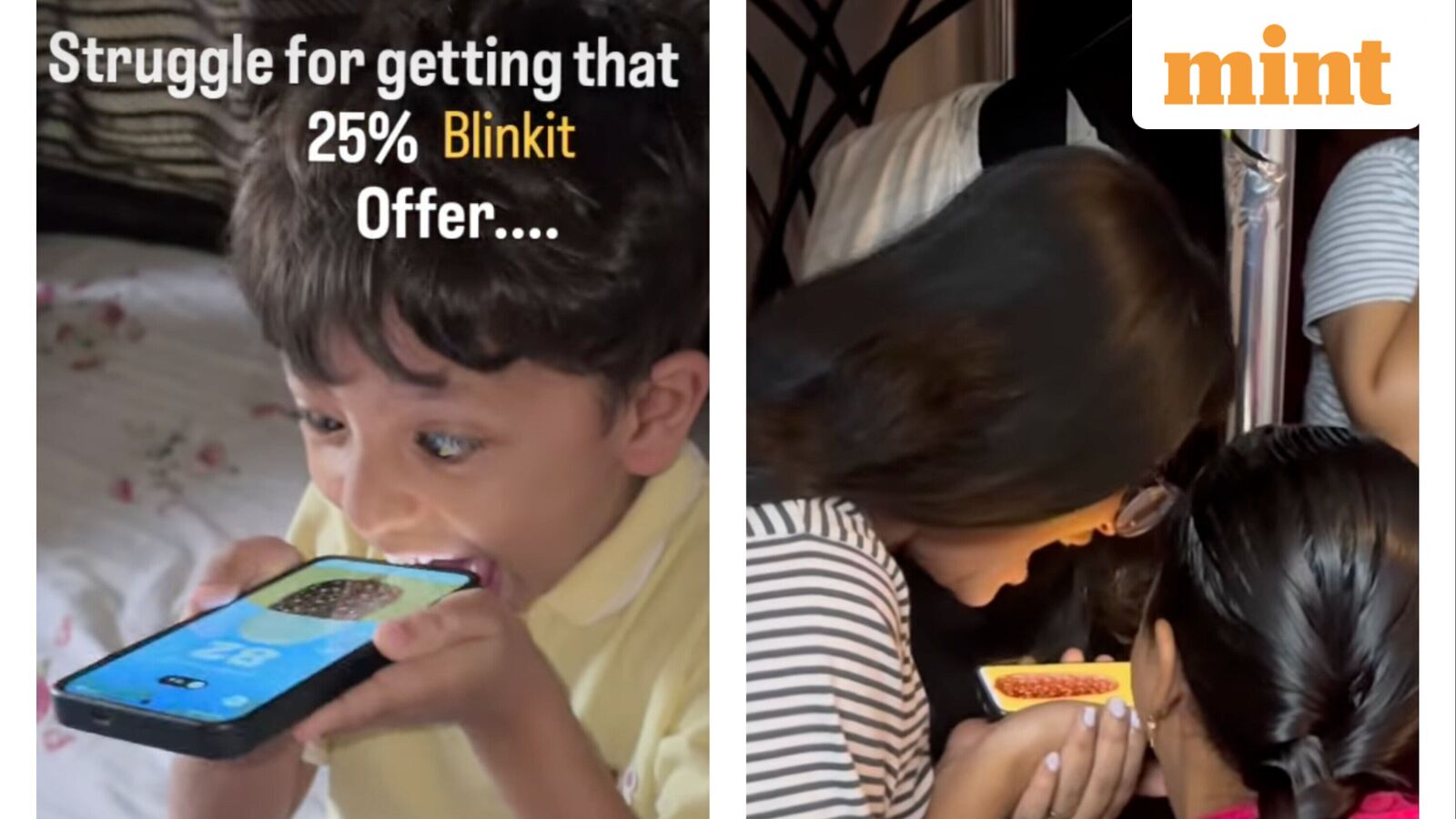
Blinkit's scream challenge is more than a marketing stunt. For Zomato traders, it's a leading engagement signal that could lift order volume before the next monthly update. Track app store rankings and social sentiment.
Continue with
Blinkit's "Scream Challenge" has flooded Instagram and short-video platforms. Users shout into their phones while ordering ice cream to unlock discounts. Some recruit children for louder screams. Families participate together. The result is a wave of user-generated content that Blinkit did not pay for.
For traders watching Zomato (ZOMATO), Blinkit's parent company, this is more than a marketing gimmick. It is a real-time engagement signal that can precede measurable changes in order volume, app downloads, and customer acquisition cost.
Blinkit's Scream Challenge: From Discount Stunt to Viral Engine
The challenge turns a standard promotion into a participatory social media event. Users film themselves screaming at maximum volume in bedrooms, balconies, and parked cars. The clips have become some of the most shared content linked to the trend. Several users posted videos of children screaming into phones while adults laughed. One commenter wrote, "Kids were made for this challenge." Another joked, "Neighbours must think something terrible is happening but it's just people trying to get cheaper ice cream."
The campaign fits perfectly into short-form video culture. Chaotic humour and relatable absurdity drive sharing. Blinkit combined food delivery with internet-style participation. Every scream becomes content. Every reaction becomes a meme.
The Simple Read Versus the Better Read
The simple read is that the scream challenge is a fun gimmick with no lasting impact on quarterly numbers. Many analysts treat viral trends as ephemeral noise.
The better read starts with the mechanism. Each scream video is earned media. Blinkit only pays the discount on ice cream – a low-margin item that drives basket attachment. The cost is tiny. The benefit is user attention at scale. Viral engagement creates a feedback loop: more videos push the algorithm to show the challenge to more people, who then open the app to participate. App downloads rise. Order frequency among existing users increases. Customer acquisition cost falls.
Key insight: Viral engagement is a leading indicator for delivery platforms because it drives brand recall and immediate action simultaneously. When a user sees a friend's scream video, the path to ordering is one tap away. The campaign's popularity suggests Blinkit is capturing mindshare among the 18–35 demographic, its core user base.
Users are experimenting with the mechanics. Some reported that keeping phones near speakers or using sound effects from another device helped increase scream scores. Others suggested updating the Blinkit app after initial access issues. This behaviour shows deep engagement – users are actively trying to game the system, not just passively watching.
Why Naive Analysts Miss the Signal
The common mistake is to dismiss the challenge as a short-lived stunt without a hard revenue link. That view ignores the demand-generation engine. Blinkit spent zero on media buying. Every video is free promotion. The discount given on ice cream is minimal compared to the cost of a traditional ad campaign.
Risk to watch: The challenge could backfire if the voice-recognition algorithm is gamed or if users exploit the system with fake screams. Early data shows no reports of abuse. The mechanic appears robust.