Stocks● Neutral
Azur's $35 Lunch Tests Beverly Hills Dining Sector
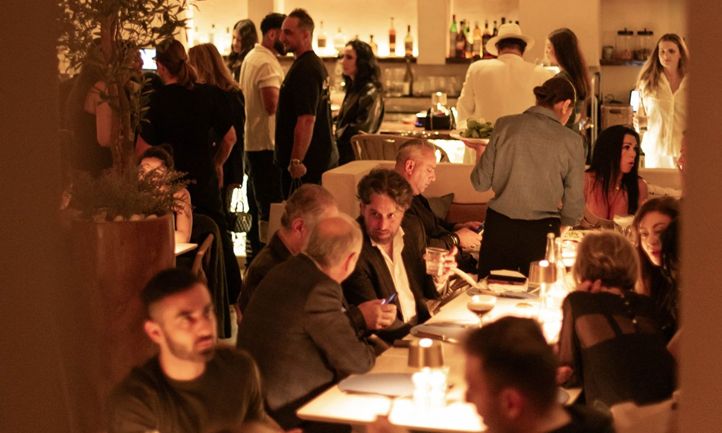
Azur Beverly Hills opens with a $35 prix fixe lunch and all-day programming in the Golden Triangle. The sector read-through tests whether experiential dining can sustain multiple dayparts in a saturated luxury market.
Continue with
Azur Beverly Hills opened in Spring 2026 in the Golden Triangle, the highest-traffic retail and dining corridor in Beverly Hills. The French Mediterranean concept, created by longtime hospitality figures Erik and Florence Chol, is designed as an all-day destination rather than a dinner-only restaurant. For the Beverly Hills dining sector, the opening raises a practical question: can a prix fixe lunch at $35 and a curated weekly schedule generate repeat traffic in a market saturated with luxury and celebrity-backed concepts?
Azur's All-Day Revenue Model vs. Traditional Dinner-Only
Most high-end Beverly Hills restaurants concentrate revenue on dinner service. Azur spreads its programming across four distinct dayparts, distinct dayparts, each with a specific price point and atmosphere.
The $35 prix fixe lunch is the most accessible entry point. It positions Azur for the business crowd and leisure shoppers in the Golden Triangle. The afternoon L'Apéro targets the preys on the French aperitif ritual, a time slot many competitors leave empty. Evening and brunch programming target the high-end entertainment and tourism segments.
Key insight: Azur's revenue model depends on capturing multiple dayparts from the same location. If lunch and apéro fail to draw consistent volume, the restaurant will rely heavily on weekend evening business, a crowded field.
The $35 Prix Fixe as a Competitive Wedge
A $35 prix fixe lunch in the Golden Triangle is aggressive. Comparable restaurants in the area typically charge $50–$80 for a three-course lunch. Azur's pricing undercuts the local market by a wide margin. The risk is that the low price point signals lower quality to the luxury clientele. The counterargument is that the Cuisine du Soleil philosophy – seasonal ingredients, wood-fire cooking, simple preparations – can deliver perceived value at that price if execution is consistent.
Executive Chef Stanley Suchy leads the kitchen**, with a culinary vision created by renowned French Chef Éric Cuenin. The menu highlights fresh seafood, vibrant vegetables, Provençal herbs, and dishes designed for sharing. The wine list features French wines, champagnes, and Riviera-inspired cocktails. The quality of the ingredients and the chefs' reputations will determine whether the $35 lunch feels like a steal or a compromise.
Owners' Track Record and Execution Risk
Erik and Florence Chol are described as "longtime figures in hospitality and entertainment known for developing immersive lifestyle destinations rooted in authenticity, culture, and celebration." The source does not name specific previous projects, so the track record is unverifiable from this release. The restaurant is a family-driven project, which can be an advantage in consistent service and culture. It can also mean thin management bandwidth if the concept scales or faces early operational issues.
Practical rule: A family-run operation with a strong concept can outperform corporate chains in atmosphere and hospitality. The same structure also carries higher execution risk if the owners are not present daily.