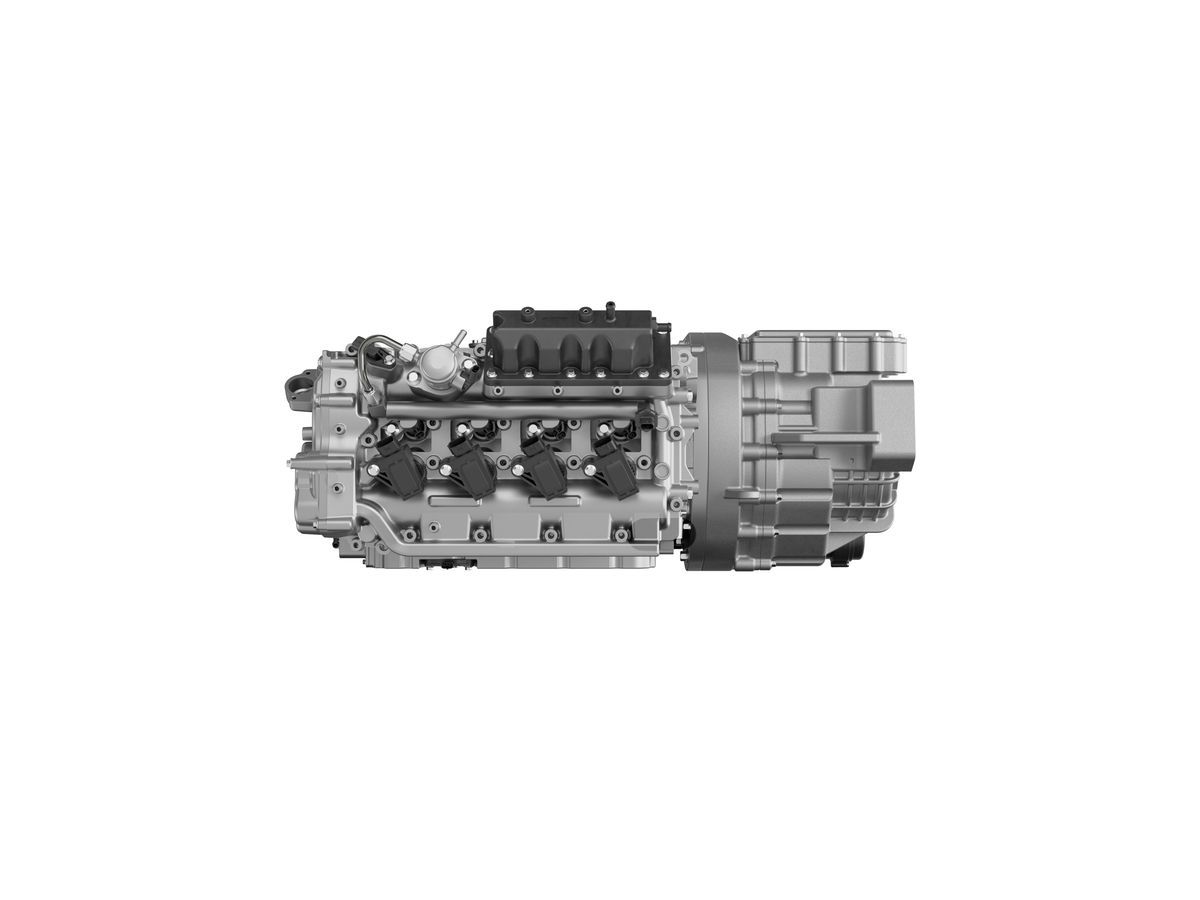
Horse Powertrain has introduced the X-Range C15, a direct drive powertrain system specifically engineered to hybridize battery electric vehicle (BEV) platforms. This development marks a pivot in how manufacturers approach the transition from pure electric architectures to hybrid configurations. By focusing on a modular, direct drive system, the company aims to provide a bridge for platforms that were originally designed exclusively for battery power but now require the extended range or charging flexibility offered by internal combustion integration.
Engineering Modular Hybridization
The C15 system is designed to integrate into existing BEV chassis with minimal structural modification. This approach addresses the current bottleneck in automotive production where manufacturers face high costs and long lead times when attempting to re-engineer platforms for different fuel sources. The direct drive mechanism removes the need for traditional multi-gear transmissions, which reduces the overall weight and complexity of the powertrain unit. This design choice is intended to improve energy efficiency and simplify the assembly process for original equipment manufacturers looking to diversify their product offerings.
By targeting BEV platforms, Horse Powertrain is positioning its technology as a solution for the current cooling of pure electric vehicle demand. The system allows for a smaller battery pack to be paired with the C15 unit, which lowers the initial vehicle cost while maintaining the performance characteristics associated with electric propulsion. This modularity is a departure from traditional hybrid systems that often require a dedicated vehicle architecture to accommodate both an engine and an electric motor.
Sector Read-Through and Platform Flexibility
The introduction of the X-Range C15 suggests a broader industry trend toward platform agnosticism. As manufacturers grapple with fluctuating consumer interest in full electric vehicles, the ability to swap or augment powertrains on a single production line has become a strategic priority. This shift impacts the supply chain for components like power electronics and thermal management systems, which must now support a wider range of hybrid configurations.
- Direct drive architecture reduces mechanical friction and component count.
- Compatibility with existing BEV chassis lowers capital expenditure for re-tooling.
- Hybridization allows for reduced battery capacity without sacrificing total vehicle range.
This move toward hybrid-ready electric platforms mirrors the broader stock market analysis regarding how industrial firms manage capital allocation during periods of technological transition. Companies that can offer flexible manufacturing solutions are likely to see increased interest from automakers seeking to hedge against regional regulatory changes and shifting consumer preferences. The focus remains on whether these hybrid systems can achieve the cost parity required to compete with established internal combustion vehicles.
AlphaScala Data and Next Markers
Agilent Technologies, Inc. currently holds an Alpha Score of 55/100, categorized as Moderate within the healthcare sector, as detailed on the A stock page. While this score reflects broader sector dynamics, the underlying principles of modular efficiency and platform adaptability remain relevant across industrial and technology sectors.
The next concrete marker for this technology will be the announcement of the first commercial vehicle program to adopt the X-Range C15. Investors should monitor upcoming quarterly filings from major automotive partners to see if they disclose capital expenditure adjustments related to these hybrid-capable platforms. The speed at which this system moves from prototype to mass-market integration will serve as a bellwether for the viability of retrofitting BEV architectures for hybrid use.