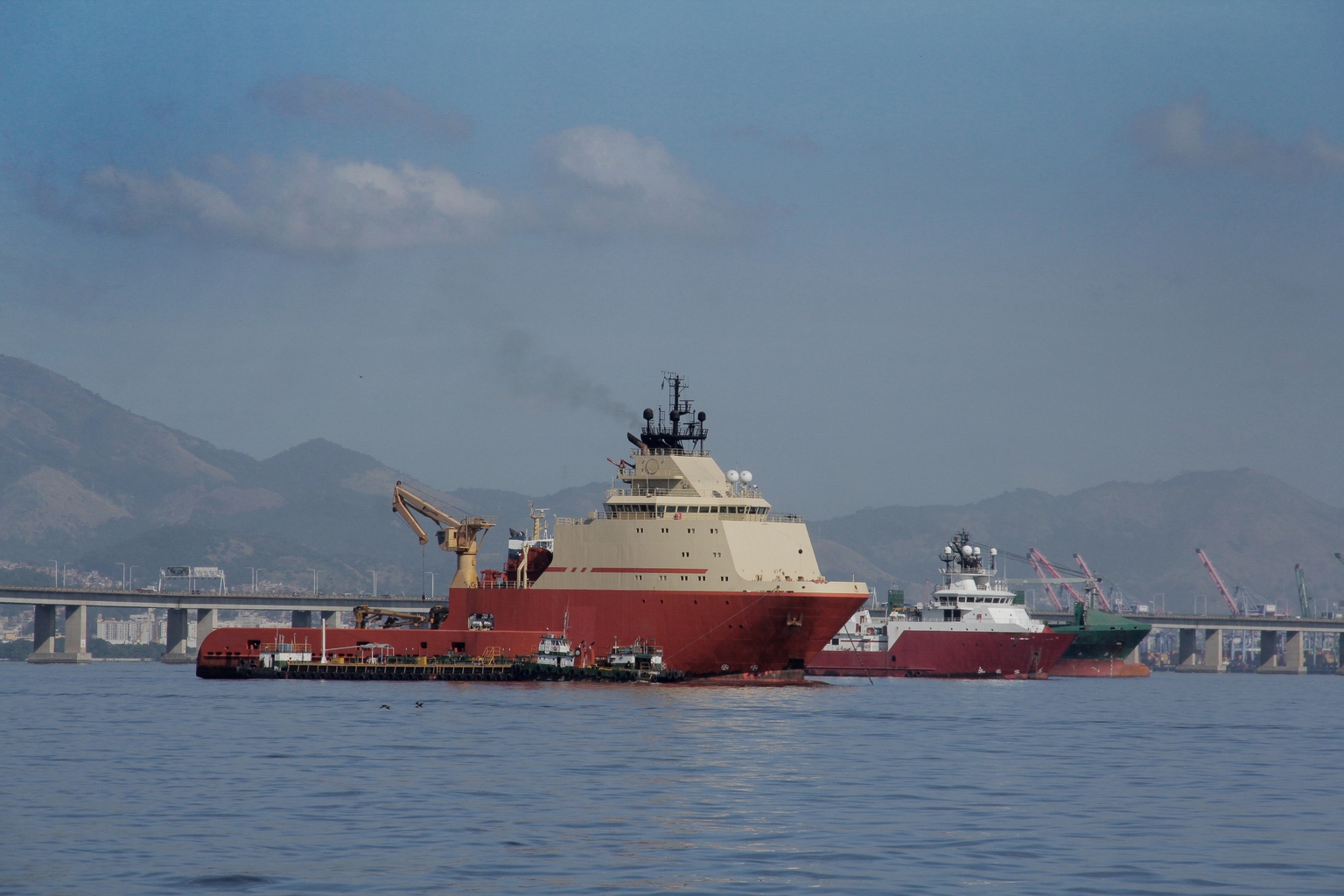
Helix Energy Solutions has initiated a significant structural shift by announcing a reverse merger transaction with Hornbeck Offshore Services. This move marks a departure from the company's standalone operational model, signaling an intent to consolidate assets within the offshore support vessel sector. By integrating Hornbeck's fleet, Helix Energy Solutions aims to capture greater vertical control over its subsea project delivery capabilities.
Consolidation in the Offshore Support Sector
The decision to merge with Hornbeck Offshore Services suggests a pivot toward internalizing supply chain logistics that were previously outsourced or managed through third-party contracts. For Helix, the primary value proposition lies in the ability to synchronize vessel availability with subsea intervention schedules. This integration is designed to mitigate the volatility associated with spot-market vessel pricing, which has historically introduced variability into project margins. The merger effectively hedges against future cost spikes in specialized maritime equipment, providing a more predictable cost structure for long-term offshore service contracts.
Operational Synergies and Fleet Utilization
Integrating Hornbeck’s offshore support vessels into the broader Helix portfolio creates a more robust platform for deepwater operations. The combined entity gains the ability to deploy integrated packages, which may prove more attractive to major energy producers looking to streamline their own vendor lists. The success of this merger will depend on the company's ability to maintain high utilization rates across the expanded fleet. If the combined entity can achieve operational efficiencies, it may reduce the overhead costs that currently weigh on the subsea services sector. Investors should monitor how this consolidation impacts the company's capital expenditure requirements, as maintaining a larger, more complex fleet requires consistent reinvestment.
AlphaScala Data and Market Context
Market participants often view such mergers as a defensive play against sector-wide cyclicality. While Helix Energy Solutions navigates this transition, other players in the technology and hardware space continue to face their own structural pressures. For instance, ON Semiconductor Corporation currently holds an AlphaScore of 46/100, reflecting a mixed outlook within the broader technology sector as detailed on the ON stock page. Similar to the challenges faced by firms like Apple (AAPL), the ability to manage supply chain dependencies remains a critical determinant of long-term valuation. The offshore energy market remains sensitive to capital spending cycles, and this merger represents a direct attempt to insulate the firm from external service provider fluctuations.
The Path Toward Integration
The next concrete marker for this transaction will be the formal regulatory filing detailing the exchange ratio and the timeline for operational integration. Shareholders should look for updates regarding the debt structure of the combined entity, as the merger will likely involve a significant rebalancing of the balance sheet. Following the close of the transaction, the focus will shift to the first set of unified quarterly results, which will provide the first real evidence of whether the projected cost synergies are materializing in the bottom line. Any delays in the regulatory approval process or unexpected hurdles in fleet consolidation will serve as the primary indicators of potential friction in this strategic pivot.