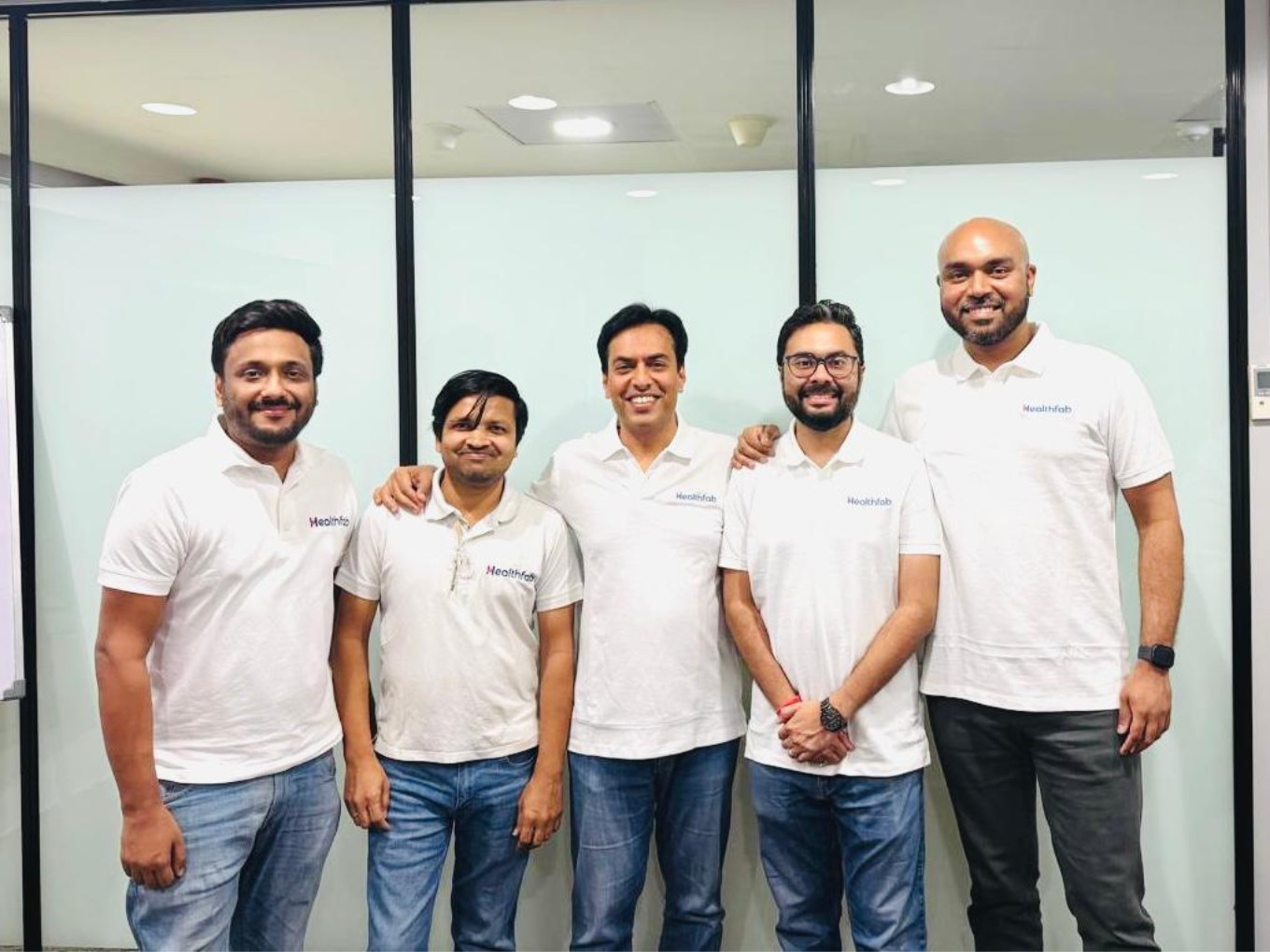
HealthFab, a direct-to-consumer brand initially focused on sustainable menstrual hygiene, has secured ₹20 Cr (approximately $2.4 Mn) in a Series A funding round led by Atomic Capital. The injection of capital, which includes participation from existing backer Mistry Ventures, marks a strategic inflection point for the company as it attempts to transition from a niche product seller to a broader femtech platform. For investors tracking the stock market analysis of consumer health, the shift represents a departure from the sustainability-first narrative that defined the company's early years.
Capital Deployment and Operational Scaling
The company intends to utilize the fresh capital to address the full spectrum of menstrual wellness. Management has identified energy, fatigue, and pain management as the primary pillars for product expansion. This move is designed to move the brand beyond its flagship GoPadFree reusable period underwear and disposable alternatives. By diversifying its catalog, HealthFab is attempting to increase the lifetime value of its customer base, moving from a single-use or replacement-cycle purchase model to a recurring wellness-focused relationship.
Operational scaling will focus on two primary channels: quick commerce and general trade distribution. The company currently maintains a presence on major e-commerce platforms including Amazon, Flipkart, Myntra, and Meesho, while leveraging quick commerce players like Zepto and Swiggy. The objective is to build a robust omnichannel presence that reduces reliance on any single digital storefront. Increasing manufacturing capacity is the necessary precursor to this distribution push, as the company aims to scale its active user base from 5 Lakh to 5 Mn over the next three years.
The Femtech Pivot and Competitive Landscape
HealthFab's pivot toward the broader femtech sector is a response to the changing dynamics in women’s health. Historically, the menstrual hygiene market was dominated by legacy FMCG entities such as Whisper and Stayfree, which focused primarily on hygiene and absorbency. HealthFab is attempting to capture the white space in holistic wellness, a strategy that pits it against a crowded field of emerging startups including Nua, Sirona, Sanfe, Soothe, and PeeSafe.
This competitive environment requires high customer acquisition efficiency. HealthFab claims to have achieved 3X year-on-year revenue growth, a metric that will face increased scrutiny as the company scales its active user base by a factor of ten. The transition from a product-based startup to a wellness brand requires not just capital, but a shift in consumer perception. The company must prove that its brand equity in reusable hygiene products translates into trust for pain management and fatigue-related wellness solutions.
Funding History and Investor Positioning
To date, HealthFab has raised approximately $3.7 Mn. This total includes a $1 Mn pre-Series A round in 2025, which featured participation from Mistry Ventures, BeyondSeed, and Thrive Ventures, alongside high-profile angel investors including Anupam Mittal, Aman Gupta, Vineeta Singh, and Peyush Bansal. The company's visibility was further bolstered by an appearance on Shark Tank India, which served as a significant marketing catalyst during its early growth phase.
| Funding Round | Amount (Approx) | Lead/Key Investors |
|---|
| Pre-Series A (2025) | $1 Mn | Mistry Ventures, BeyondSeed, Thrive Ventures |
| Series A | ₹20 Cr ($2.4 Mn) | Atomic Capital, Mistry Ventures |
For the company to justify its current valuation and future growth targets, it must successfully navigate the transition from a sustainability-focused niche to a mass-market femtech player. The primary risk remains the saturation of the D2C wellness space, where customer acquisition costs often escalate rapidly as brands attempt to move into general trade. Success will be measured by the company's ability to maintain its 3X revenue growth trajectory while expanding its manufacturing footprint and diversifying its product mix into higher-margin wellness categories. The next 12 to 18 months will be critical in determining whether the brand can sustain its momentum against both legacy FMCG giants and specialized femtech competitors.