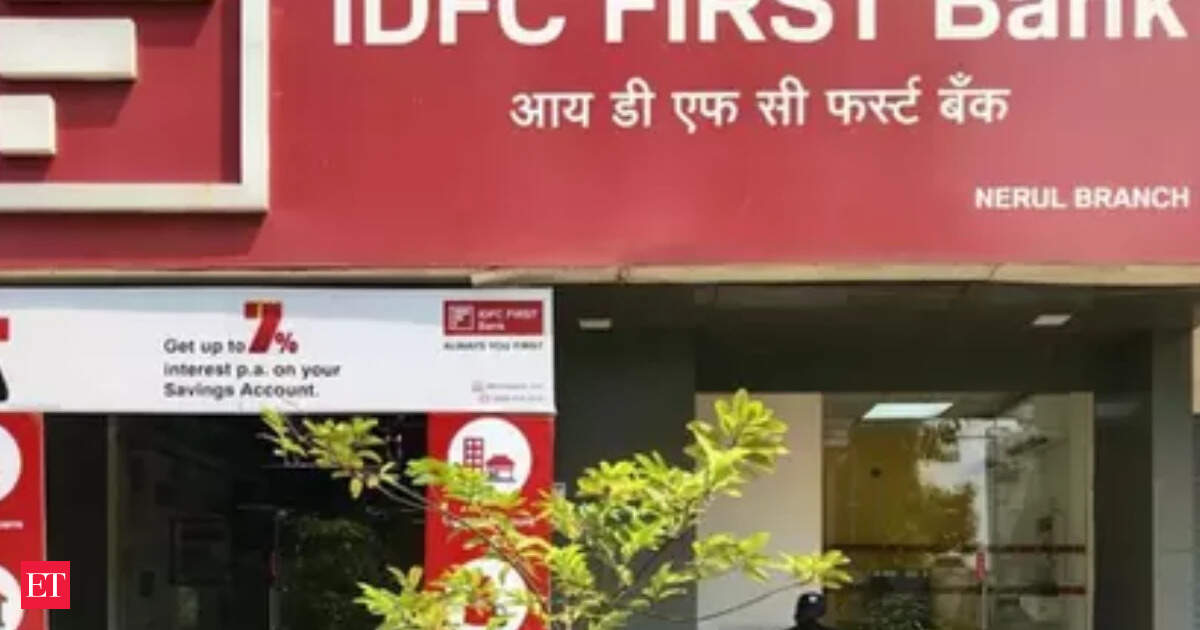
The Haryana government has dismissed Naresh Bhuwani, a Superintendent within the Development and Panchayat Department, following his involvement in a significant financial fraud case linked to IDFC First Bank. The investigation centers on the illicit diversion of government funds totaling Rs 590 crore. Authorities identified a criminal conspiracy that utilized shell companies to facilitate the unauthorized transfer of public capital.
Operational Integrity and Institutional Oversight
The dismissal highlights the vulnerabilities inherent in state-level financial management systems when subjected to coordinated internal manipulation. By leveraging his position within the Development and Panchayat Department, the official allegedly bypassed standard oversight protocols to move substantial sums into entities lacking legitimate business operations. This incident underscores the risks associated with internal control failures, particularly in departments responsible for managing large-scale public disbursements. The transition from administrative oversight to criminal investigation marks a shift in how the state handles fiscal accountability in the wake of such large-scale losses.
Sectoral Impact and Financial Governance
For financial institutions, the exposure to such fraud cases necessitates a rigorous review of client onboarding and transaction monitoring processes. IDFC First Bank serves as the primary institution involved in this case, and the discovery of shell company involvement points to potential gaps in existing anti-money laundering and know-your-customer frameworks. While the immediate impact is concentrated on the specific funds misappropriated, the broader consequence involves increased regulatory scrutiny for banks operating in regions where government-to-bank fund flows are frequent. Financial entities are now facing pressure to enhance their verification of corporate entities that receive state-allocated capital to prevent similar systemic breaches.
AlphaScala data currently tracks various sectors for volatility and governance risks, including the technology and consumer cyclical segments. Investors tracking institutional stability often look toward stock market analysis to gauge how such localized fraud incidents influence broader sector sentiment and institutional risk premiums.
The Path to Accountability
The next concrete marker in this case will be the filing of formal criminal charges by state investigative agencies and the subsequent audit of the Development and Panchayat Department. The scope of the investigation is expected to expand as authorities trace the final destination of the Rs 590 crore and determine the extent of the shell company network. Further updates regarding the recovery of these assets or the identification of additional accomplices will serve as the primary indicator of the state's success in mitigating the damage caused by this conspiracy. The government's ability to implement stricter digital audit trails for public funds will remain the key metric for future institutional security.