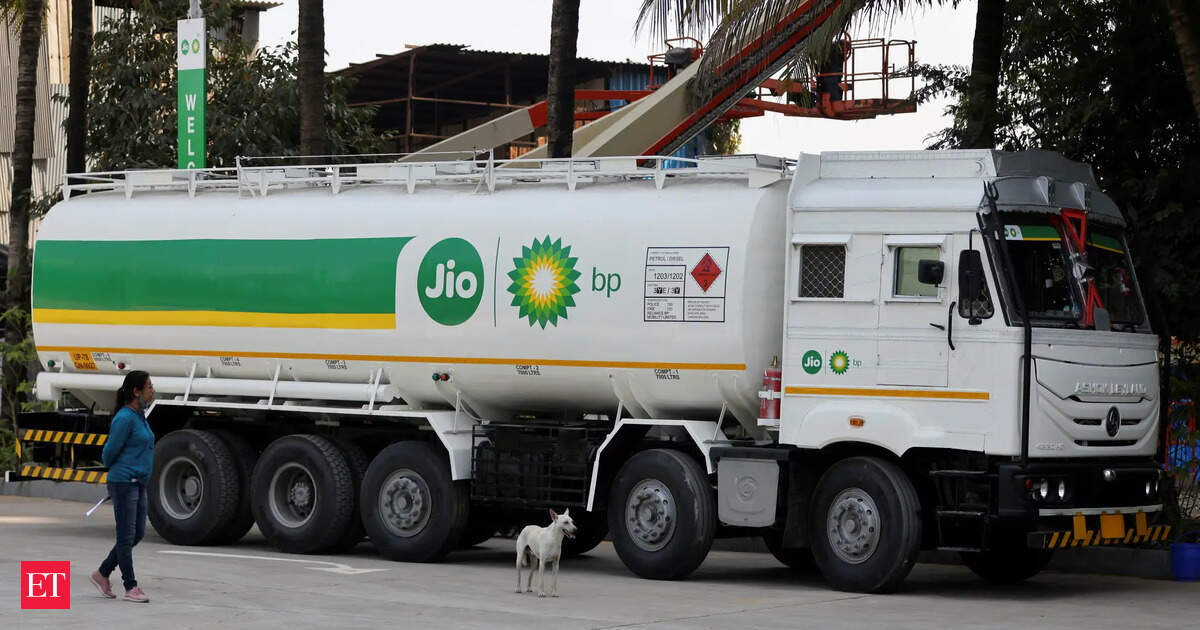
Private fuel retailers Nayara Energy and Shell lost market share in April after raising pump prices following the start of the Iran war. Consumers shifted to state-run oil marketing companies that kept prices steady. RIL-BP, the joint venture between Reliance Industries and BP, reported strong sales growth and captured the displaced demand. Localized fuel shortages emerged as demand concentrated at stations that did not raise prices.
Price Gap Drives Market Share Shift in April
The April price increases by Nayara and Shell were a direct response to the geopolitical shock from the Iran conflict. State-run oil marketing companies held their retail prices flat, creating a price gap that drove consumer switching. Total fuel consumption in India likely remained stable or grew. The shift was purely a market share reallocation driven by pricing strategy. For traders tracking the Indian fuel retail sector, the April data confirms that price discipline among private players is fragile when state-owned competitors absorb geopolitical risk. RIL-BP held its prices closer to state-run levels or matched them, allowing the joint venture to benefit from the same demand shift.
RIL-BP's Pricing Flexibility Captures Volume
RIL-BP emerged as the clear beneficiary. Its sales growth in April suggests it either held prices closer to state-run levels or leveraged a more flexible supply chain. The joint venture operates a network of retail outlets and has been expanding aggressively. The read-through is that RIL-BP's pricing flexibility and supply chain integration allowed it to capture customers who left Nayara and Shell. For Shell, the market share loss is a concrete setback in a key growth market. Shell's India retail business had been gaining traction. The April data shows how quickly that progress can reverse when pricing misaligns with state-run competitors. Shell's Alpha Score of 49/100 (Mixed) from AlphaScala reflects the balancing act between margin preservation and volume growth in a price-sensitive market.
Localized Shortages Point to Supply Chain Bottleneck
The localized fuel shortages reported in April are a secondary but important signal. When demand concentrates at stations that kept prices lower, those stations face inventory pressure. This points to a supply chain bottleneck rather than a national shortage. For logistics and storage operators, the read-through is that demand spikes at specific retail points can strain distribution networks even when aggregate supply is adequate. The shortages also underscore the reliability advantage held by state-run firms in times of geopolitical disruption.
Traders should watch whether the private players adjust pricing in May. If Nayara and Shell roll back increases to reclaim share, the market could stabilize. If they hold prices, expect further share erosion and more localized shortages as state-run stations absorb excess demand. The next monthly sales data will confirm whether the April shift was a one-off or the start of a sustained trend. For a broader view of energy sector dynamics, see the crude oil profile and commodities analysis. Shell's stock page is available at SHEL stock page.