Stocks● Neutral
Harvey CEO Sees AI Agents Reshaping Legal Staffing Models
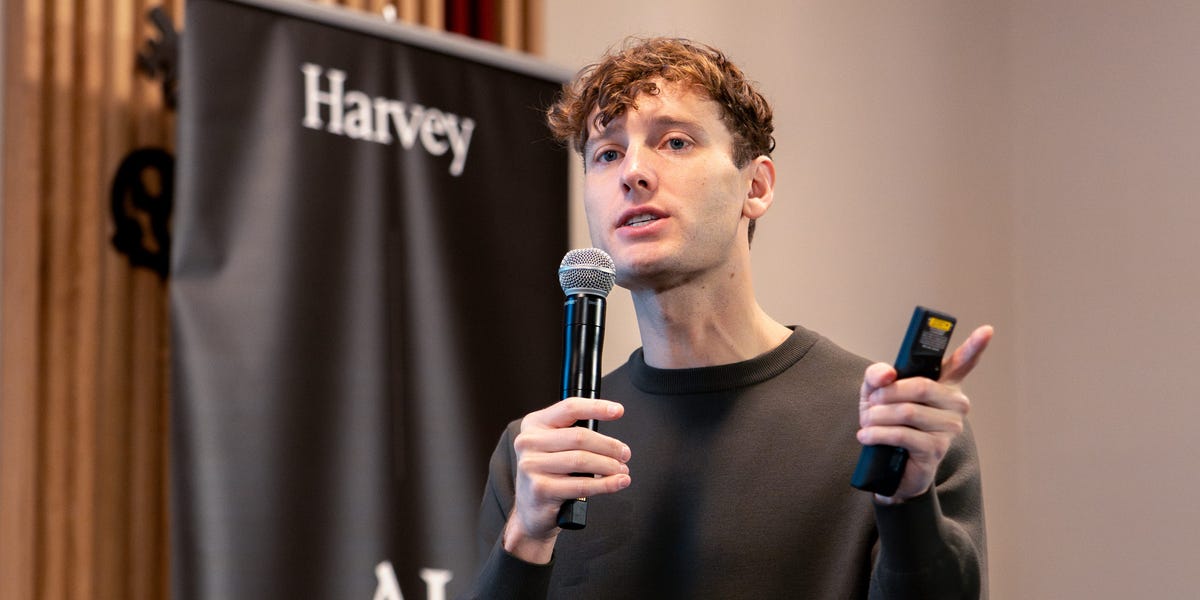
Harvey CEO Winston Weinberg suggests AI agents will shrink legal team sizes, forcing firms to pivot from labor-heavy billing to AI-managed workflows.
Continue with
The integration of AI agents into legal workflows is forcing a structural shift in how law firms manage case staffing. Harvey CEO Winston Weinberg recently noted that as these agents assume a greater share of substantive legal work, firms are likely to reduce the number of lawyers assigned to individual cases. This transition marks a departure from the traditional pyramid structure of legal teams, where billable hours are often tied to the sheer volume of human labor applied to discovery and document review.
Lawyers have historically functioned as professional delegators. Partners assign tasks to associates, who then delegate granular research and drafting to junior lawyers or paralegals. The introduction of AI agents does not necessarily signal a reduction in total legal output or case complexity. Instead, it changes the nature of the lawyer's role from a primary producer of legal documents to a manager of autonomous software agents. This shift suggests that the value proposition for legal services will move away from labor-intensive billable hours toward the efficiency and accuracy of AI-driven output.
Shifting the Legal Pyramid
The traditional model of legal staffing relies on a high volume of junior associates to perform repetitive tasks, which serves as both a revenue driver and a training ground for future partners. If AI agents successfully automate the bulk of these entry-level tasks, firms face a dual challenge. First, they must determine how to maintain profitability if the billable-hour model is disrupted by software efficiency. Second, they must find new ways to train junior lawyers if the foundational work they typically perform is handled by machines.