Stocks● Neutral
Why PMOIF Debt Strategy Relies on Sustained Commodity Prices
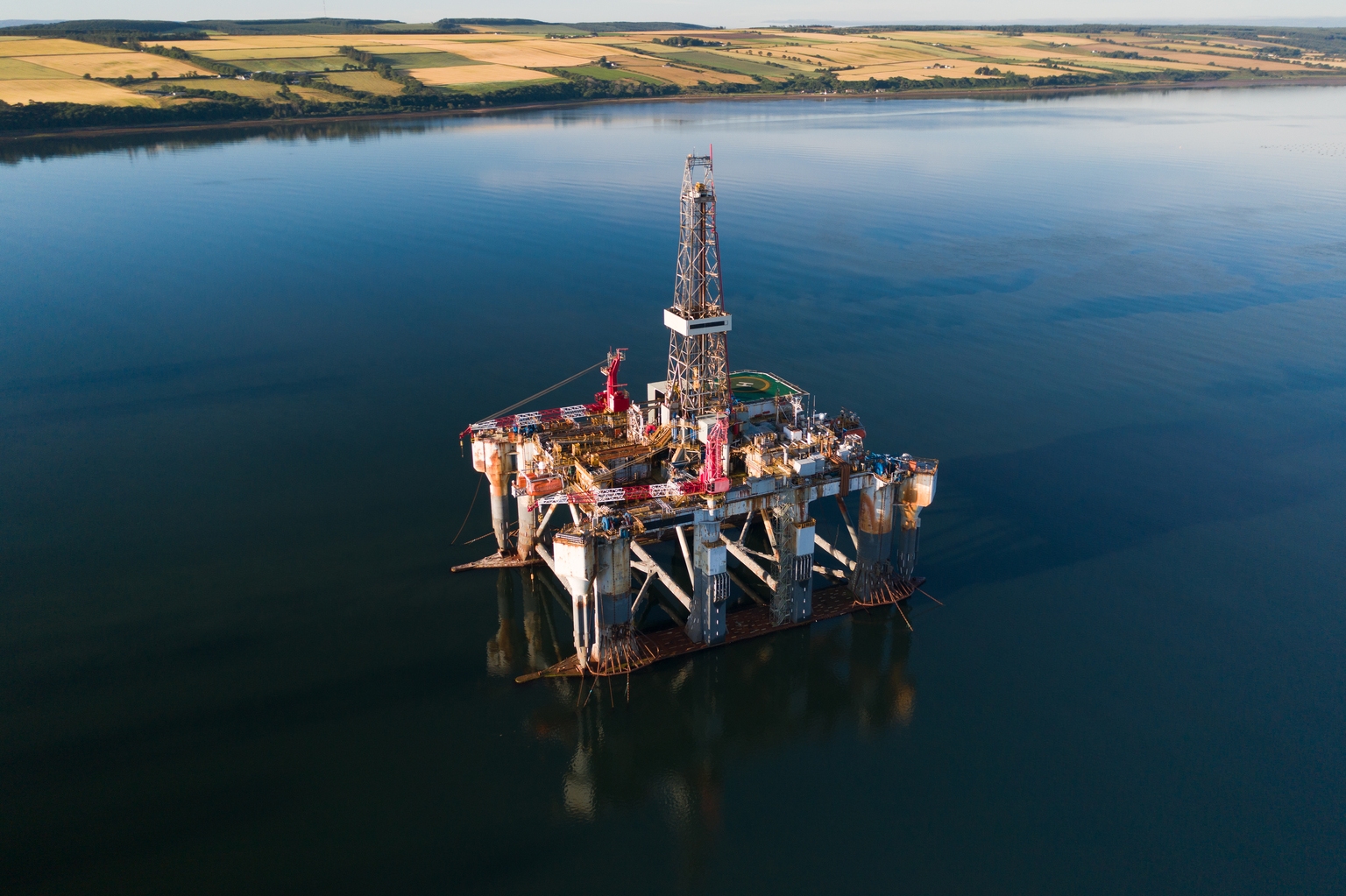
Harbour Energy's acquisition increases leverage, making cash flow vital for debt reduction. Watch for management updates on net debt targets as the catalyst.
Continue with
Strategic Scale and Debt Management
Harbour Energy (PMOIF) has moved to increase its production profile through a major acquisition, a move that adds significant leverage to the balance sheet. While the expanded debt load demands attention, the company is banking on higher commodity prices to accelerate the deleveraging process. The firm's ability to generate strong cash flow remains the primary engine for paying down the liabilities incurred during this expansion phase.
Traders should note that the success of this acquisition hinges on the sustained pricing of the underlying energy assets. When commodity markets provide a favorable environment, the cash flow generated by these new assets often exceeds initial projections, allowing for a faster reduction in net debt than analysts might anticipate. This creates a potential positive feedback loop for the stock price as the debt-to-equity ratio improves.
Market Context and Commodity Exposure
Market participants should compare the current state of PMOIF against broader sector trends. Energy producers are currently balancing the need for growth through M&A with the demand from shareholders for capital discipline. The following factors are driving the current outlook for the company:
- Production volume expansion: The acquisition provides immediate scale, increasing the total output capacity.
- Operational efficiencies: Integration of new assets is designed to lower the unit cost of production over time.
- Commodity price sensitivity: Cash flow remains highly correlated with the price of crude oil and natural gas, making the stock a leveraged play on energy prices.