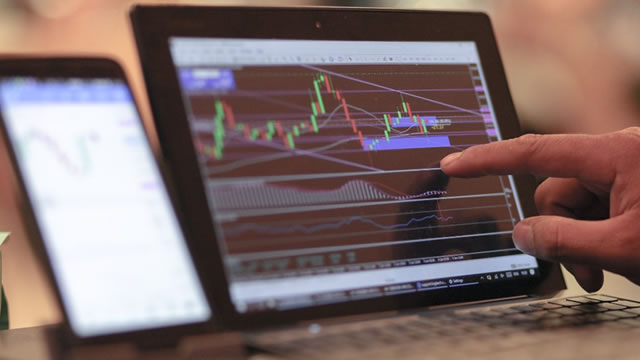
Asia's currencies hit record lows as oil shock forces emergency rate hikes. The transmission path from crude to FX is clear. Next decision points ahead.
Asia's policymakers are taking increasingly urgent and unusual steps to shore up their economies on the front line of the global energy supply shock. Currencies are falling to record lows against the dollar as import costs surge. The pressure has already forced several central banks to raise interest rates ahead of schedule. The simple read is that higher rates attract carry flows and stabilize a falling currency. The better market read is different: in an oil shock environment, rate hikes compress domestic demand and risk a recession cycle that eventually undermines the currency further. The transmission path runs from the crude price spike to wider trade deficits, then to central bank credibility and ultimately to risk premiums on Asian FX.
The urgency in Asia reflects the region's structural dependence on imported energy. India, South Korea, and Japan are among the most exposed economies because they import the majority of their oil. A sustained rally in crude forces those countries to spend more dollars for the same volume of fuel, draining foreign-exchange reserves and accelerating depreciation against the USD. Policymakers face a narrowing window: raise rates to defend the currency and choke growth, or hold rates and let the currency slide, which imports inflation at a faster clip.
Indonesia has already raised its benchmark rate by 25 basis points in an off-cycle move. The Philippines followed with a 75-basis-point emergency hike. The Bank of Japan remains the outlier, holding its yield-curve-control policy even as the yen tumbles to 24-year lows against the dollar. The divergence between BOJ policy and the rest of Asia's tightening cycle widens USD/JPY carry premiums and drains liquidity from regional bond markets. Operators positioned for a single global rate path are getting a reminder that Asia's energy vulnerability creates a unique monetary regime.
The oil shock transmits to forex markets through two channels: the terms-of-trade channel and the central-bank-response channel. On the terms-of-trade side, a $10 rise in crude subtracts roughly 0.3 percentage points from current-account balances for net importers like Thailand and South Korea. That forces the USD bid higher across the complex. On the central-bank side, emergency rate hikes compress rate differentials with the Federal Reserve, making it harder for Asian currencies to stage a recovery when the US dollar eventually peaks. The net effect is a positive feedback loop: oil rises, the dollar strengthens, Asian currencies fall, and the selloff itself tightens financial conditions in the region.
Traders watching USD/SGD or USD/KRW should track the Brent crude contract as a leading indicator, not as a lagging one. When crude breaks above resistance levels, Asian FX see an almost immediate widening of bid-ask spreads and an increase in hedging demand. The correlation between daily changes in Brent and the JPY cross is running near 0.7 over the past month, a signal that the oil-dollar link is the dominant driver of regional positioning.
The next scheduled policy meeting for the Reserve Bank of India is in early October. A rate hike at that meeting is fully priced in, the size of the move will matter for the rupee's trajectory. The Bank of Korea has a meeting in mid-October. If the won continues to slide, an off-cycle action remains possible. The US Federal Reserve meeting later this month sets the tone for the dollar's direction. A hawkish dot plot would extend the pressure on Asian FX; a more measured tone could allow a tactical rally in the region's currencies. For operators building watchlists, the oil level is the trigger, the policy response is the confirmation, and the dollar index is the final validation signal.
For more on how oil shocks reshape currency frameworks, see the recent analysis on oil's fragmented energy order. A broader overview of the current environment is available in the forex market analysis desk.
Prepared with AlphaScala research tooling and grounded in primary market data: live prices, fundamentals, SEC filings, hedge-fund holdings, and insider activity. Each story is checked against AlphaScala publishing rules before release. Educational coverage, not personalized advice.