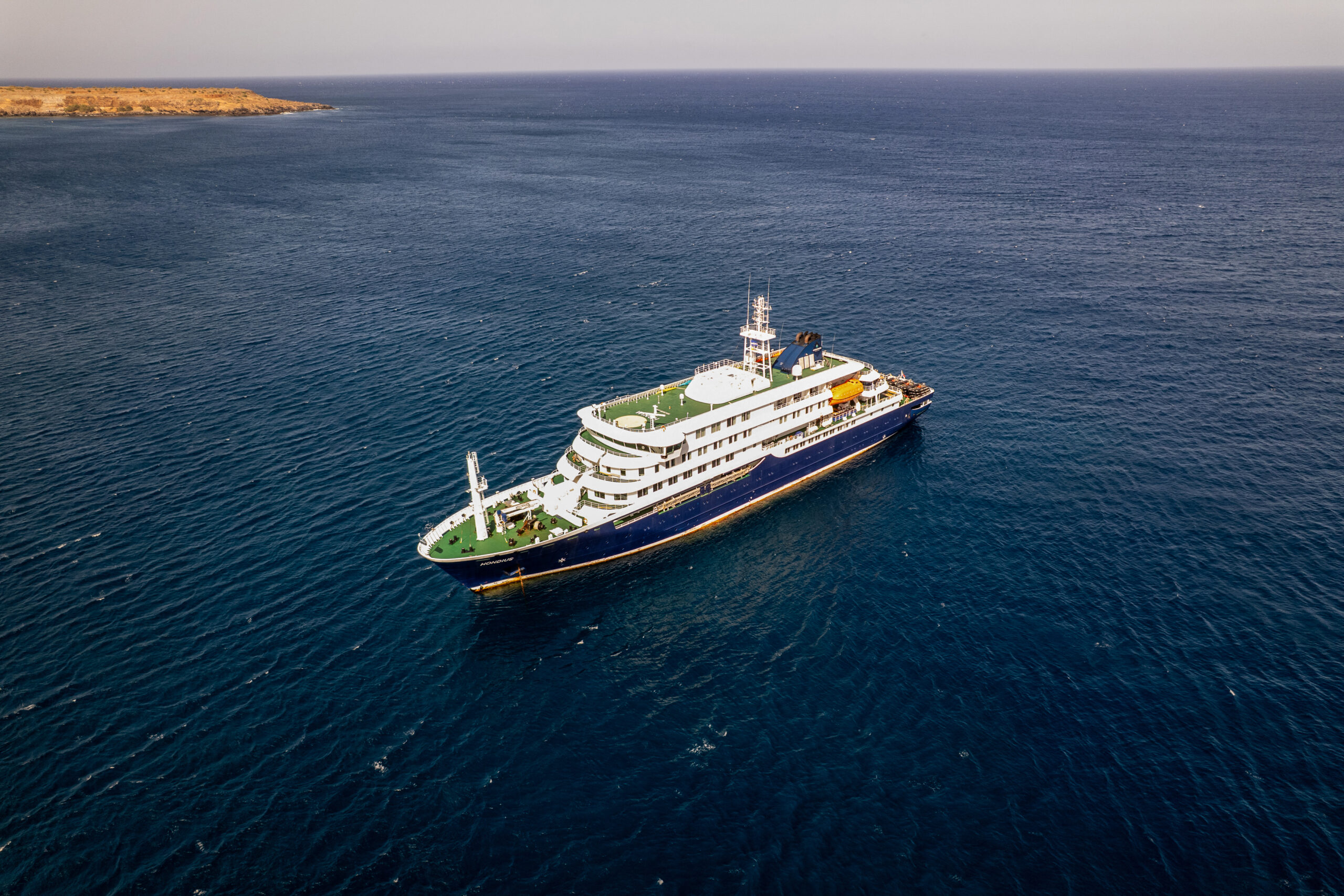
The emergence of a hantavirus cluster aboard the MV Hondius, a Polar Class 6 expedition vessel operated by Oceanwide Expeditions BV, introduces a complex set of operational and reputational risks for the maritime travel sector. With three confirmed fatalities and additional passengers requiring intensive care, the incident has triggered an international response involving the World Health Organization (WHO) and Dutch authorities. The situation, currently unfolding off the coast of Cape Verde, highlights the acute vulnerability of enclosed cruise environments to rare, high-mortality pathogens that typically circulate in rodent populations.
Transmission Mechanics and Containment Challenges
Hantavirus is primarily zoonotic, spreading to humans through contact with infected rodent excreta. The infection mechanism involves the inhalation of aerosolized particles, a process facilitated by the confined, recirculated air systems common in maritime vessels. While person-to-person transmission is historically rare, the WHO has acknowledged its possibility in this specific outbreak. This creates a significant containment hurdle for the MV Hondius, which carries a total capacity of 170 passengers, 57 crew members, 13 guides, and a dedicated doctor. The inability of Cape Verdean authorities to immediately authorize disembarkation or broad-scale medical screening has effectively turned the vessel into a floating quarantine zone, complicating the logistics of patient isolation and environmental decontamination.
Operational Bottlenecks and Repatriation Logistics
The logistical response is currently centered on a repatriation effort coordinated by Dutch authorities to transport symptomatic individuals from Cape Verde to the Netherlands. This process is fraught with regulatory friction, as the ship operator must navigate international health rules while managing the health status of the remaining passengers. The inclusion of a deceased individual and a non-symptomatic associate in the repatriation plan underscores the difficulty of managing a mixed-status population in a high-stakes environment. For the broader cruise industry, this event serves as a stress test for existing emergency protocols regarding infectious disease outbreaks that fall outside the typical scope of norovirus or influenza management.
Sector Read-Through and Insurance Implications
Investors tracking the leisure and maritime insurance sectors should note the potential for increased underwriting scrutiny regarding zoonotic disease coverage. The MV Hondius incident is particularly notable given the vessel's specialized design as a Polar Class 6 ship, which implies a high-cost, premium-service business model. Any prolonged disruption to operations or negative publicity surrounding the outbreak could impact the operator's ability to maintain high occupancy rates in future seasons. Furthermore, the genomic sequencing of the virus, currently underway, will be a critical data point in determining whether this outbreak represents a localized anomaly or a broader shift in the risk profile of expedition-style cruising.
Valuation and Risk Assessment Framework
While the market impact of a single vessel incident is often contained, the regulatory response can set precedents for how cruise operators are required to handle future health crises. The current situation remains fluid, with the WHO expected to publish more detailed updates as lab testing progresses. Traders should monitor the speed of the repatriation process as a proxy for the effectiveness of the operator's crisis management. If the situation results in extended litigation or a sustained suspension of operations, the financial impact could extend beyond the immediate costs of medical evacuation and vessel cleaning. For those interested in broader real estate and asset-backed investment vehicles, monitoring how such operational risks are priced into the sector is essential, such as the current market sentiment reflected in the WELL stock page, which carries an Alpha Score of 52/100, indicating a mixed outlook for the broader real estate and specialized property sector.
Monitoring the Next Clinical Markers
The confirmation of the genomic sequence and the success of the medical evacuation will serve as the primary indicators for the resolution of this event. Any further reports of symptomatic passengers among the remaining population on board would signal a failure of current containment measures and likely lead to more stringent international intervention. The industry will be watching to see if this outbreak leads to updated health protocols for expedition vessels, which often operate in remote regions with limited access to advanced medical facilities. Until the vessel is cleared and the remaining passengers are fully screened, the operational risk remains elevated, and the potential for further negative headlines persists.