Commodities● Neutral
Gujarat Energy Eyes Up to 30% Growth in Gas Trading by 2031
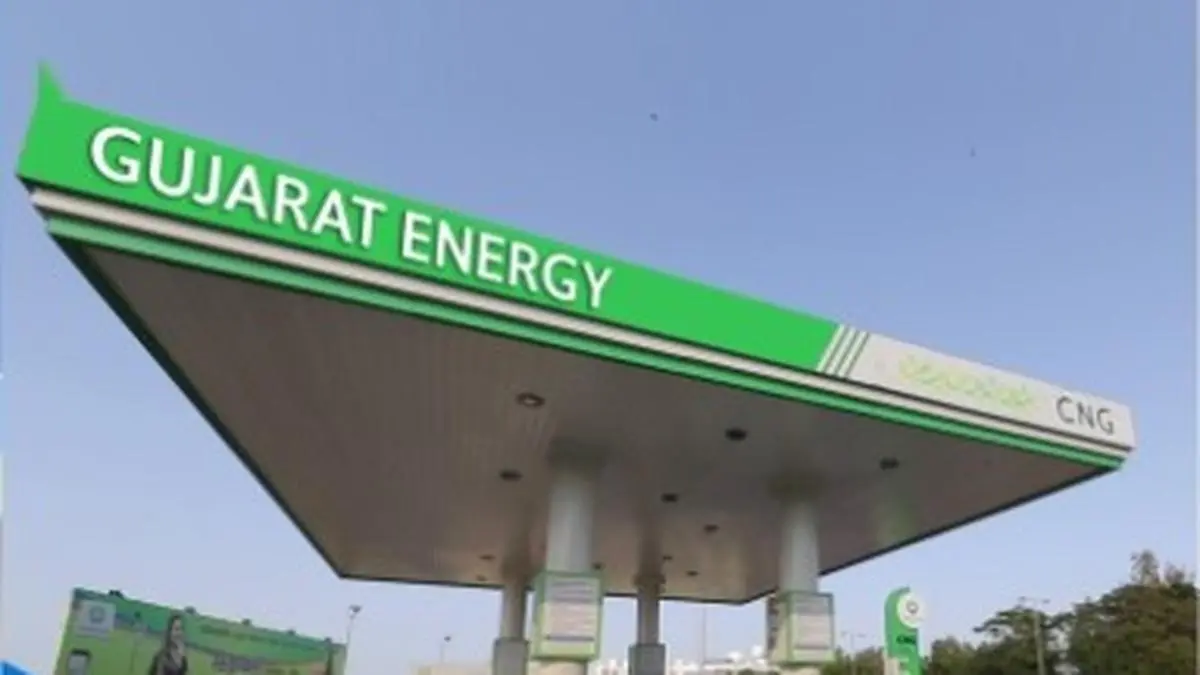
Gujarat Energy targets 25–30% gas trading growth by 2031 despite FY26 volumes down 19% and two LNG cargoes hit by Middle East tension. Management sees price normalisation from 2028-29.
Continue with
Gujarat Energy Ltd is targeting 25% to 30% growth in its gas trading business by 2030-31, even as volumes slipped in the last fiscal year under pressure from global gas markets.
Management told investors this month that the company currently moves about 10 to 12 million metric standard cubic metres per day (mmscmd) and expects that to rise by a quarter to a third within five years. “We do expect good growth in the gas trading business. We expect prices to be reasonable starting in 2028-29,” the management said.
FY26 trading volumes averaged 10.2 mmscmd, down roughly 19% from 12.6 mmscmd in FY25. The company said its annual recurring profit from the segment, after stripping out one-off items reported in FY26, should stay in the range of Rs 1,000 to 1,100 crore.
Gas trading has become a central earnings driver since the merger that created Gujarat Energy. Managing Director Avantika Singh Aulakh called it “the most value-accretive aspect” of the combination, noting that the predecessor business had generated more than Rs 1 lakh crore in revenue and over Rs 9,000 crore in EBITDA over the prior five financial years.