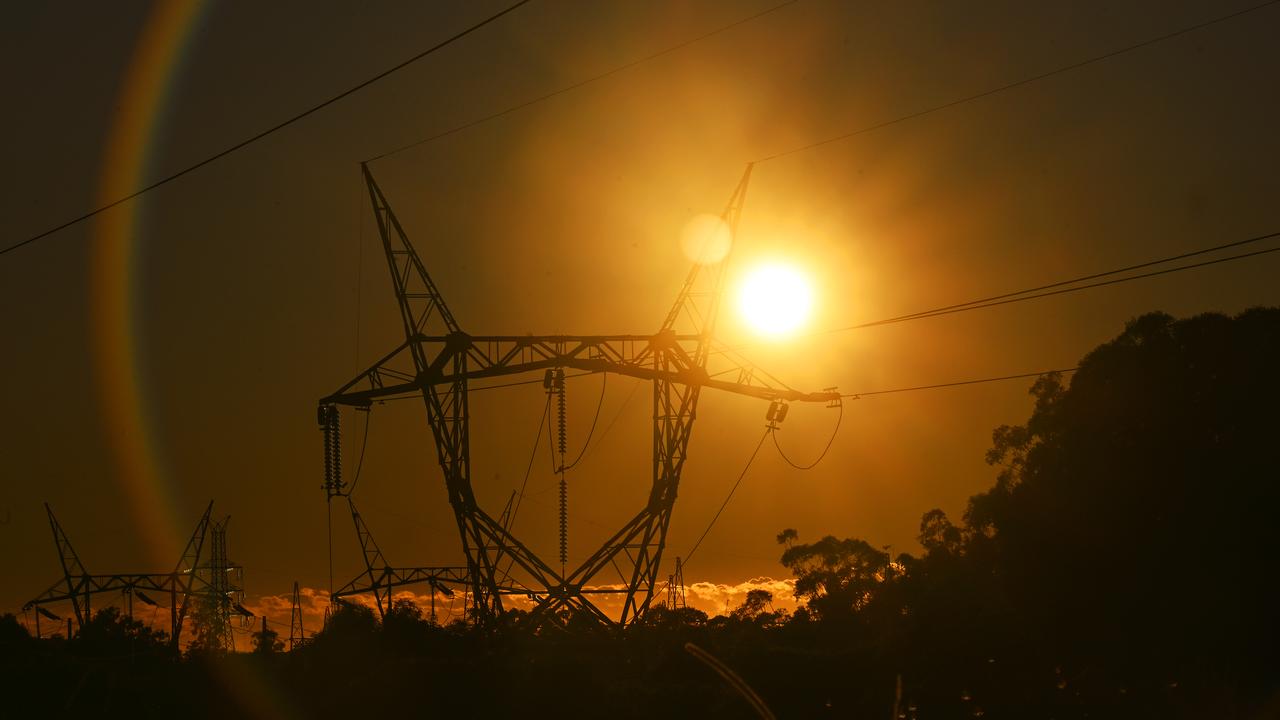
The rapid deployment of grid-scale battery storage has fundamentally altered the mechanism for managing peak electricity demand. By replacing gas and hydro assets as the primary buffer against evening spikes, battery arrays are exerting downward pressure on wholesale power prices. This transition marks a departure from historical reliance on fossil-fuel-based peaking plants, which traditionally commanded high premiums during periods of supply stress.
Economic Displacement of Gas Peakers
Gas-fired generation has long served as the marginal price setter in electricity markets. When demand surges, gas plants are dispatched to fill the gap, often at significant cost. The integration of large-scale battery storage allows grid operators to discharge energy captured during periods of low demand, effectively capping the price volatility that gas plants once exploited. This shift reduces the frequency with which expensive gas assets are called upon, limiting the pass-through costs to end consumers.
Grid resilience is now increasingly tied to the discharge capacity of these storage systems. Unlike gas turbines, which face fuel supply constraints and mechanical startup latency, batteries provide near-instantaneous response times. This capability allows for more precise frequency control and load balancing. The infrastructure pivot suggests that the future cost of power will be more closely linked to the efficiency of energy storage cycles rather than the commodity pricing of natural gas.
Sector Read-Through and Infrastructure Dependencies
Companies involved in the semiconductor and software sectors are seeing indirect impacts from this energy transition. Efficient power management requires advanced hardware and sophisticated control systems to optimize charge and discharge cycles. As grid operators scale their storage capacity, the demand for high-performance power electronics grows.
AlphaScala data currently reflects a mixed outlook for key technology players involved in these supply chains. ON stock page holds an Alpha Score of 46/100, while NOW stock page maintains an Alpha Score of 52/100. These scores highlight the ongoing volatility in the broader stock market analysis as firms navigate the shift toward energy-intensive infrastructure requirements.
- Reduced reliance on gas-fired peaking plants.
- Lowered wholesale price volatility during evening demand peaks.
- Increased demand for power management semiconductors and software.
The Path to Grid Stability
The next concrete marker for this narrative will be the upcoming seasonal capacity auctions and regulatory filings regarding grid reliability standards. These documents will reveal whether utilities are accelerating their retirement of older gas assets in favor of battery-backed infrastructure. If the current trend holds, the reliance on traditional peaking plants will continue to decline, forcing a structural reassessment of energy sector valuations. The ability of grid operators to maintain stability without the historical safety net of gas-fired generation will determine the long-term viability of this transition. Investors should monitor the capital expenditure reports from major utility providers to identify the pace of this infrastructure pivot.