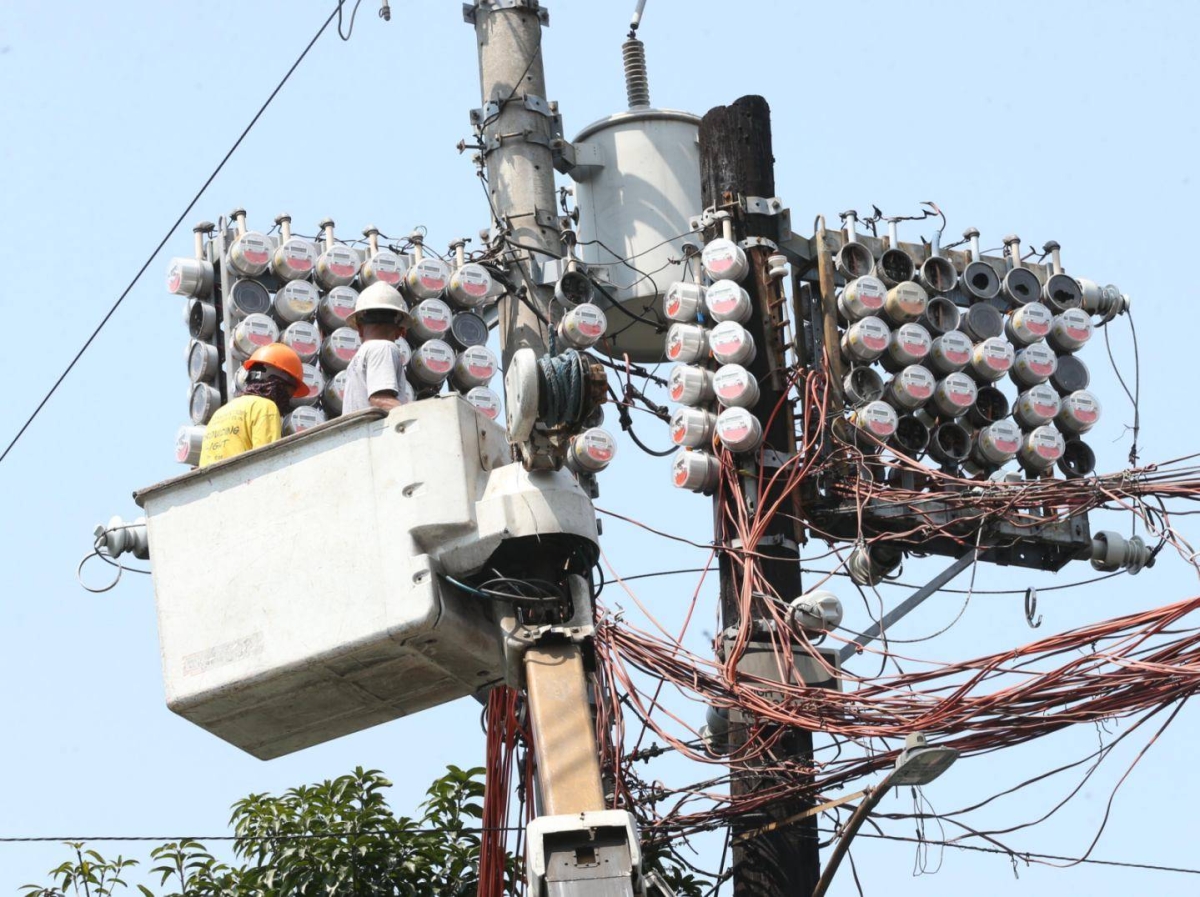
The announcement of scheduled power interruptions across Metro Manila and four surrounding provinces marks a period of localized operational friction for businesses and industrial facilities in the Philippines. Meralco confirmed that maintenance works are the primary driver for these service gaps, which are set to impact key economic hubs in Batangas, Bulacan, Cavite, and Rizal throughout the coming week. These planned outages represent a recurring operational hurdle for firms reliant on consistent grid stability in the region.
Infrastructure Maintenance and Regional Productivity
Grid maintenance is a necessary component of long-term utility management, yet the timing of these interruptions often creates immediate, short-term pressure on local commerce. By targeting specific zones for upgrades, the utility provider aims to prevent more severe, unplanned failures. However, the concentration of these works in the country's primary industrial corridors means that manufacturing and service-oriented businesses must adjust their output schedules to account for the downtime. The impact is most acute for facilities without redundant power systems, as the loss of grid connectivity forces a temporary halt in production cycles.
Sectoral Exposure and Operational Continuity
For companies operating within these provinces, the primary challenge is the mitigation of lost uptime. The maintenance schedule serves as a reminder of the underlying sensitivity of regional logistics and manufacturing to utility reliability. While these interruptions are localized, they highlight the broader infrastructure dependencies that define the operating environment for firms in the stock market analysis sector. Businesses that have invested in localized energy resilience are better positioned to navigate these periods, whereas those tethered strictly to the grid face immediate productivity constraints.
AlphaScala currently maintains an Alpha Score of 40/100 for ON (ON Semiconductor Corporation), reflecting a mixed outlook within the technology sector as firms navigate global supply chain and energy requirements. You can view the full profile on the ON stock page.
The Path to Grid Normalization
The immediate marker for the conclusion of this disruption is the successful completion of the maintenance window as outlined by the utility provider. Investors and local stakeholders should monitor the restoration of service in the affected provinces to determine if the maintenance cycle proceeds according to the stated timeline. Any delays in the restoration process would likely exacerbate the strain on local industrial output. The next critical update will be the confirmation of full grid restoration, which will signal the return to standard operational capacity for the impacted zones. This event underscores the necessity for firms to maintain robust contingency planning when operating in regions undergoing significant infrastructure upgrades.